Running the River: The Most Scenic Jogging Routes Along the Seine
Practical tips 4 min read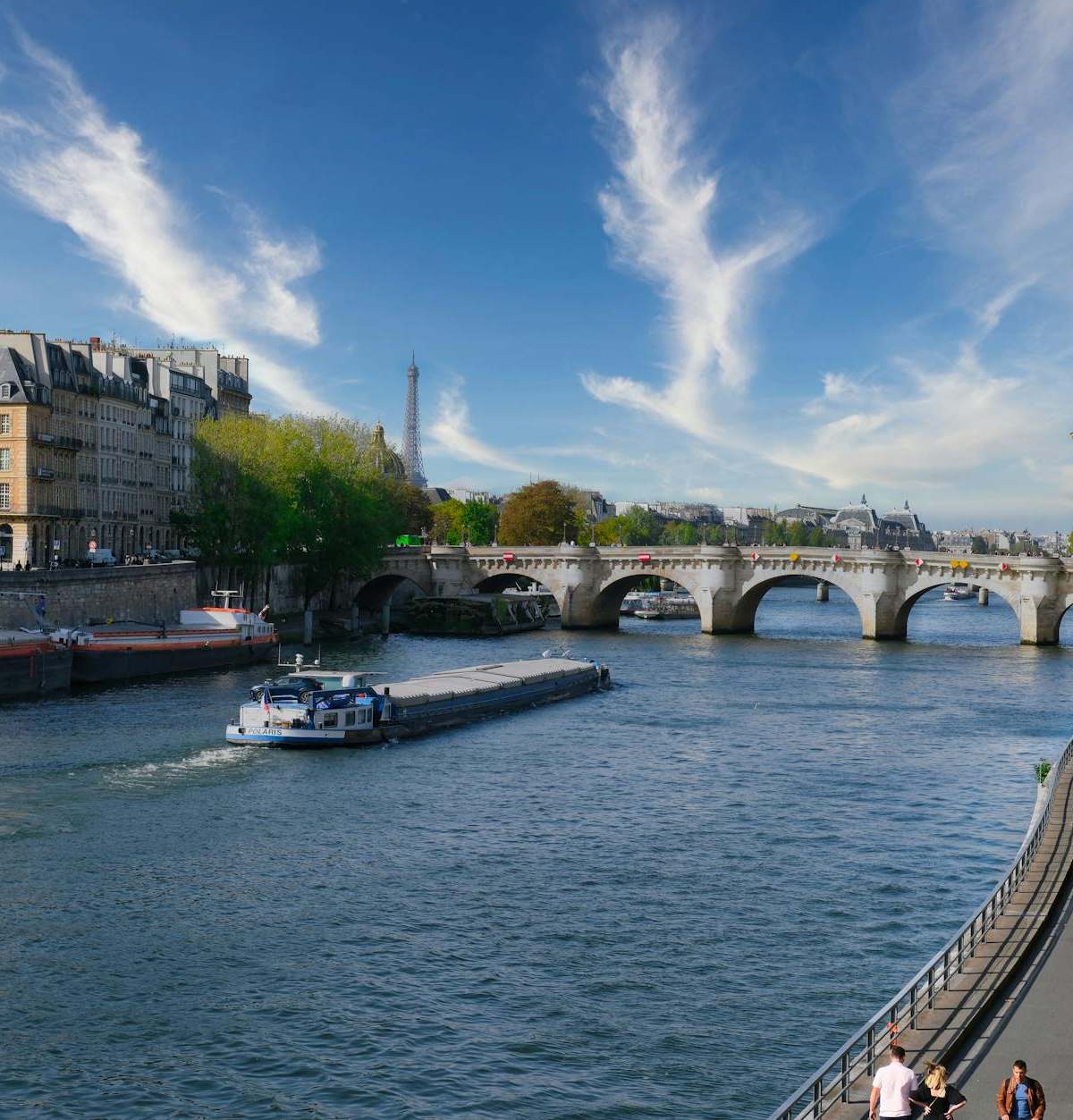
Quick answer
Discover Paris's most elegant jogging routes along the Seine, from Notre-Dame to the Eiffel Tower. Enjoy car-free paths, iconic landmarks, and golden-hour views in luxurious serenity—perfect for so...
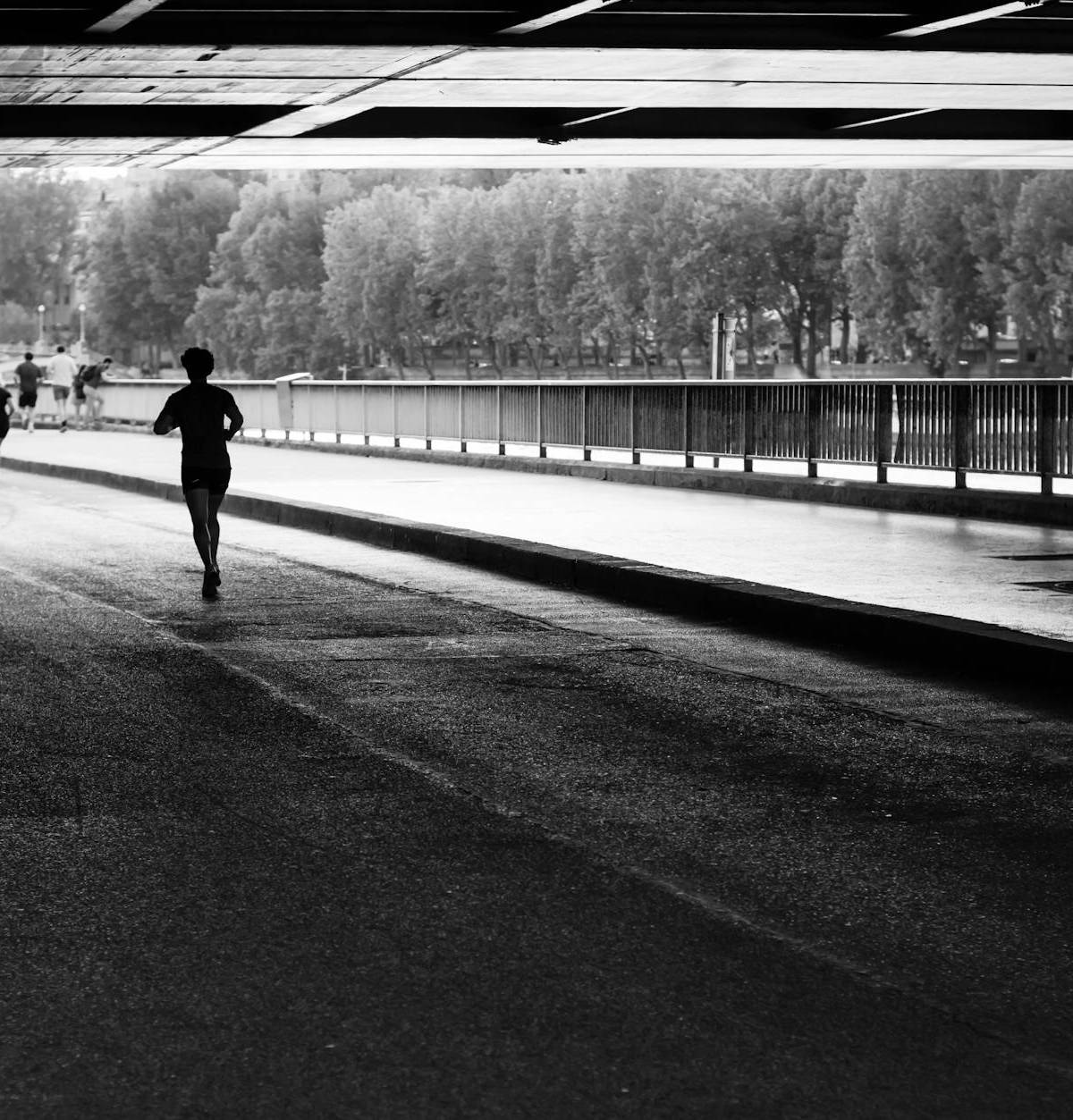
Early morning along the Seine belongs to runners. Before tourists claim the quays and before rush hour traffic fills the boulevards above, the riverbanks offer something rare in Paris: space to move without negotiating crowds, monuments bathed in that particular slanted light that makes photographers weep, and flat terrain that lets you actually run instead of climbing Montmartre's vertical streets while pretending it's training.
The Classic Loop: Notre-Dame to Trocadéro and Back
Start at the reopened Notre-Dame Cathedral and head west along the Right Bank. The first stretch passes the Louvre, Jardin des Tuileries, Place de la Concorde, and the Modern Art Museum before reaching Trocadéro opposite the Eiffel Tower. Cross Pont d'Iéna to the Left Bank and return east, completing roughly 12 kilometers. The route hits every major monument while staying along the river, which means no traffic lights interrupting your pace.
The nicest section—Les Berges between Pont de l'Alma and Musée d'Orsay—was converted from highway to pedestrian path, creating car-free running directly beside the water. This stretch alone justifies the route: smooth pavement, uninterrupted views, width enough for actual passing instead of single-file dodging.
Practical Note: Cobblestones appear in sections, particularly near older bridges. They're charming in photographs, less so when they're jarring your knees at 7 AM. Adjust pace accordingly or stick to the newer paved sections.
The Bastille-to-Eiffel Sprint
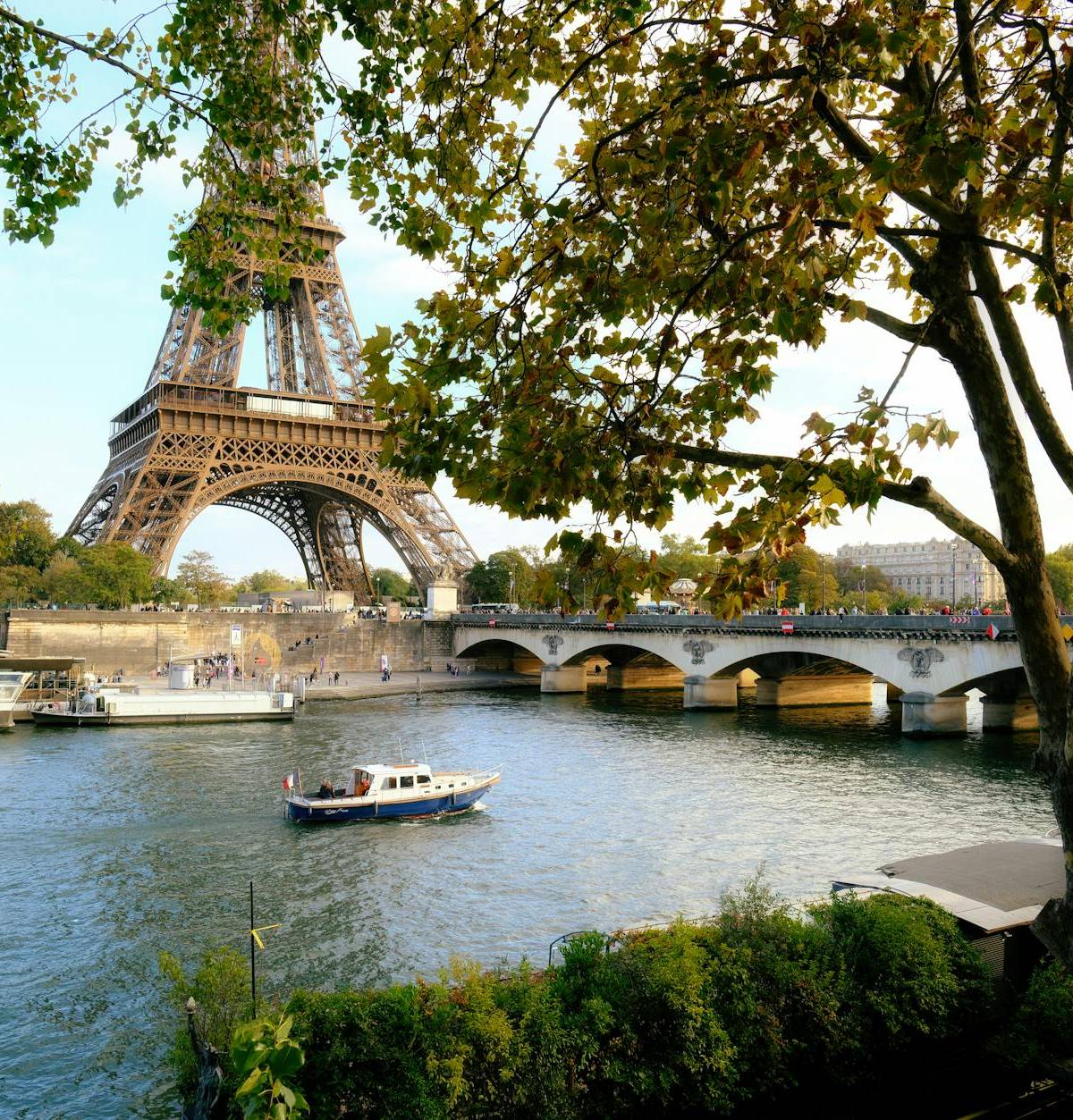
For something shorter but equally scenic, start at Bastille and run west to the Eiffel Tower along either bank. Six to eight kilometers depending on exact route, passing the Île Saint-Louis, the Louvre, and ending with the tower's illumination if you time it for evening. This works for visitors staying in the Marais or eastern Paris who want monuments without committing to a half-marathon distance.
Practical Note: Dawn or dusk offers the best light and fewest pedestrians. Mid-morning through afternoon means navigating tour groups, which transforms running into obstacle course.
Île aux Cygnes Extension
Serious distance runners can add the thin artificial island downstream from the Eiffel Tower—Île aux Cygnes stretches 850 meters with a dedicated path and a quarter-scale Statue of Liberty at its western tip. Loop it multiple times or incorporate it into longer runs heading toward the western suburbs. The path is narrow but traffic-free, and something about running beside flowing water on both sides creates meditative rhythm.
Practical Note: The UNESCO-protected berges offer a 7-kilometer route with outdoor fitness equipment if you want to combine running with functional training. Six workout stations dot the path—not necessary, but useful for breaking up long runs.
Running the Seine requires knowing which sections stay car-free, when to arrive for empty paths, and where cobblestones force pace changes. Those details separate tourists attempting jet-lagged jogs from people actually using the river as training ground. We map these routes with timing recommendations because Paris running rewards planning as much as any museum visit. If that's useful, we're here.
Keep exploring: bring Haussmann style into your home · 15 hidden gems most tourists miss · Plan your Paris trip with a local
Get our free Insider Paris Guide: the neighborhoods, restaurants and hidden corners we send our own clients. No tourist traps, no filler.
Get the free guideKeep exploring on foot
If you would rather walk these banks than run them, our free self-guided walk Along the Seine, Bridge by Bridge covers the central stretch stop by stop, bouquinistes included. And for the flat towpath route locals actually jog, Canal Saint-Martin to La Villette follows the water north through a completely different Paris.
Planning your own Paris days around a run like this? Our free Paris itinerary planner builds a day-by-day plan around your pace, neighbourhoods included.
Ready to experience Paris for yourself? Plan Your Paris Trip with Chic Trip - a custom route, coordinated bookings and one accountable planner.
Planning your own Paris trip? Estimate your budget with the free Paris trip cost calculator, find out how many days you need in Paris, check when to book everything in Paris, or build a day-by-day plan with the Paris itinerary planner.
About Chic Trip
A journey designed exclusively for you: a personal itinerary, restaurant recommendations refined with your feedback, approved reservations and practical details in the Chic Trip app. Your written proposal confirms the total, inclusions and booking conditions before you commit. Start with a free call or email; no payment or price acceptance is required to enquire.