15 Hidden Gems in Paris: Secret Spots the Tourists Never Find
Itinerary and planning 6 min read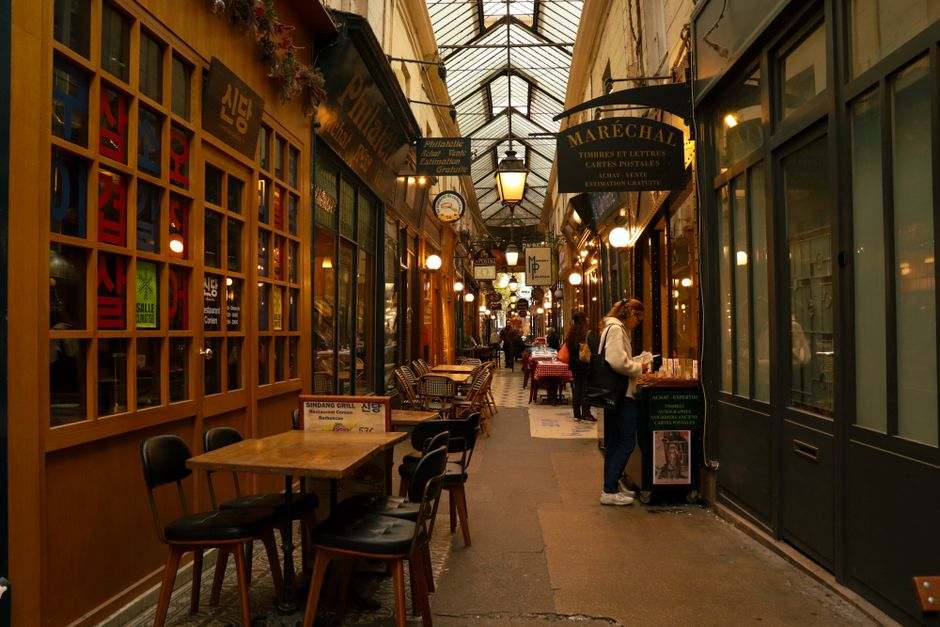
Quick answer
Discover 15 secret Paris spots Parisians cherish, from ivy-clad villages to surreal museums and vibrant markets. Escape tourist crowds for authentic, luxurious Parisian charm.
Most visitors trace the same circuit: Eiffel Tower, Louvre, Notre-Dame, repeat. Meanwhile, the real Paris unfolds in passages no guidebook mentions, cafés with no Instagram presence, streets that don't photograph well but feel like stumbling into someone else's memory. These are the places Parisians actually go—not because they're trendy, but because they've always been there.
Square des Peupliers
Tucked in the 13th arrondissement, this cobblestoned enclave feels like a village that accidentally survived Haussmann's renovations. Pastel cottages with ivy-covered facades line streets barely wide enough for a car. Wisteria hangs over garden gates. There's no café, no shop, nothing commercial—just residential calm that makes you forget you're in a city of two million people.
Chic Tip: Enter via Rue du Moulin des Prés around late afternoon. Walk slowly. The magic is in feeling temporarily lost.
Musée de la Chasse et de la Nature
At 62 Rue des Archives in the Marais, this hunting and nature museum occupies a 17th-century mansion where taxidermy meets contemporary art in ways that shouldn't work but do. A polar bear greets you in the entrance hall. Upstairs: baroque rooms filled with antlers, medieval hunting scenes, and surrealist installations. It's weird, beautiful, slightly unsettling—exactly what a museum should be when it's not trying to please everyone.
Chic Tip: The building itself is the real exhibit. Notice the hidden doors, trompe-l'oeil walls, and how each room creates a different atmosphere.
Marché d'Aligre
While tourists queue at Rue Cler, locals hit Marché d'Aligre in the 12th (Place d'Aligre). It's scrappier, louder, more North African than postcard-pretty. The covered market, Beauvau, sells cheese and charcuterie. Outside: produce vendors haggling in multiple languages, vintage dealers with actual junk (not curated "antiques"), and a vibe that feels working-class Paris before the renovations arrived.
Chic Tip: Go Saturday morning. Grab coffee at Le Baron Rouge across the street—a wine bar that opens at 10 AM and fills with market shoppers drinking Sancerre at zinc tables.
Passage Brady
Between Boulevard de Strasbourg and Rue du Faubourg Saint-Denis, Passage Brady runs through the 10th like a covered street transplanted from South Asia. Indian and Pakistani restaurants line both sides, fluorescent-lit and unapologetic. Spice shops, Bollywood posters, the smell of biryani at 11 AM. It's not charming in the typical Parisian sense—it's something better: completely itself.
Chic Tip: Lunch at Pooja or Dishny. Order whatever's written on the chalkboard in the window, not the laminated menu they give tourists.
La Campagne à Paris
Another village that time forgot, this one in the 20th at Rue Irénée Blanc. Single-story houses with gardens, cobblestone lanes, total silence despite being a ten-minute walk from Place de la République. Built in the 1920s as affordable housing for workers, it's now absurdly expensive real estate where nothing ever comes on the market because no one leaves.
Chic Tip: Combine it with nearby Parc de Belleville for views across the entire city from a hillside park tourists haven't discovered yet.
Mosquée de Paris
The Paris Mosque at 2bis Place du Puits de l'Ermite opened in 1926—Moorish architecture, geometric tile work, a courtyard with fountains where you can drink mint tea and pretend you're in Marrakech. The attached hammam offers traditional spa treatments. The tearoom serves North African pastries under arched ceilings. It's touristed but never crowded, somehow.
Chic Tip: The tearoom doesn't take reservations. Go mid-afternoon on a weekday, order the sampler plate of pastries, and claim a table in the courtyard if weather permits.
Rue Crémieux
This pedestrian street in the 12th between Rue de Lyon and Rue de Bercy is one hundred meters of pastel-painted row houses: peach, mint, butter yellow, sky blue. Instagram discovered it a few years ago, so locals now hang "Private Street" signs and look annoyed when people photograph their doorways. Go anyway. It takes three minutes to walk end-to-end, and the light in early morning is worth the side-eye.
Chic Tip: Respect the fact that people live here. Walk through, take your photo, leave. Don't pose on their stoops.
Promenade Plantée
Before New York had the High Line, Paris built this elevated park along an old railway viaduct in 1993. Starts at Bastille (Avenue Daumesnil) and runs nearly three miles east through the 12th. Tree-covered walkway above the street, quiet except for joggers, views into apartment windows and hidden gardens. The Viaduct des Arts below has artisan workshops in the brick arches.
Chic Tip: Enter at Bastille and walk until you're tired, then exit at any staircase and find yourself in residential neighborhoods you'd never otherwise visit.
Bouillon Chartier (Grands Boulevards)
Yes, it's in guidebooks. But at 7 Rue du Faubourg Montmartre, this 1896 workers' canteen still serves dirt-cheap French classics in a Belle Époque dining hall with brass coat racks and waiters who've worked there for decades. Escargots cost €6. Steak frites €12. The atmosphere is chaotic, communal tables, no pretension whatsoever—just volume and history and the kind of Paris that's rapidly disappearing.
Chic Tip: Skip dinner service (lines wrap the block). Go for late lunch around 2:30 PM when it's calmer and you can actually appreciate the room.
Canal Saint-Martin (the Quiet Parts)
Everyone knows the stretch near République with its locks and iron footbridges. But walk north past Rue de la Grange aux Belles and the crowds thin dramatically. By Quai de Jemmapes up toward Parc de la Villette, it's locals walking dogs, old men fishing, chess players in Jardin Villemin. Same canal, completely different energy.
Chic Tip: Bring supplies from a nearby bakery and sit on the stone edge near Avenue de Flandre at sunset. You'll have it mostly to yourself.
Paris doesn't hide these places on purpose. They're just off the main circuit, easy to miss if you're following someone else's itinerary. That's where planning makes the difference—not the big monuments everyone sees, but the timing and routing that puts you in the right neighborhood at the right hour. We build itineraries around these details because the alternative is spending your week fighting crowds at the Louvre when you could be drinking wine at a market bar in the 12th. If that sounds better, let's talk.
Keep exploring: a lazy Sunday in Le Marais · the five Statues of Liberty in Paris · Plan your Paris trip with a local
Get our free Insider Paris Guide: the neighborhoods, restaurants and hidden corners we send our own clients. No tourist traps, no filler.
Get the free guide
Ready to experience Paris for yourself? Plan Your Paris Trip with Chic Trip - a custom route, coordinated bookings and one accountable planner.
Planning your own Paris trip? Estimate your budget with the free Paris trip cost calculator, find out how many days you need in Paris, check when to book everything in Paris, or build a day-by-day plan with the Paris itinerary planner.
About Chic Trip
Chic Trip is a Paris-based trip planning and booking concierge for American travelers. Founder Frederic Canesso and his Paris team design day-by-day itineraries and coordinate restaurant tables, official timed entries, tours and airport transfers. The planning fee depends on trip length and group size. Restaurant reservations and official tickets are at face price, hotels at public rates, and tours and transfers at clear package prices quoted upfront. Tell us about this trip or read our traveler reviews and feedback.