Antique Hunting: A Guided Tour of the Marché aux Puces with an Expert
Itinerary and planning 10 min read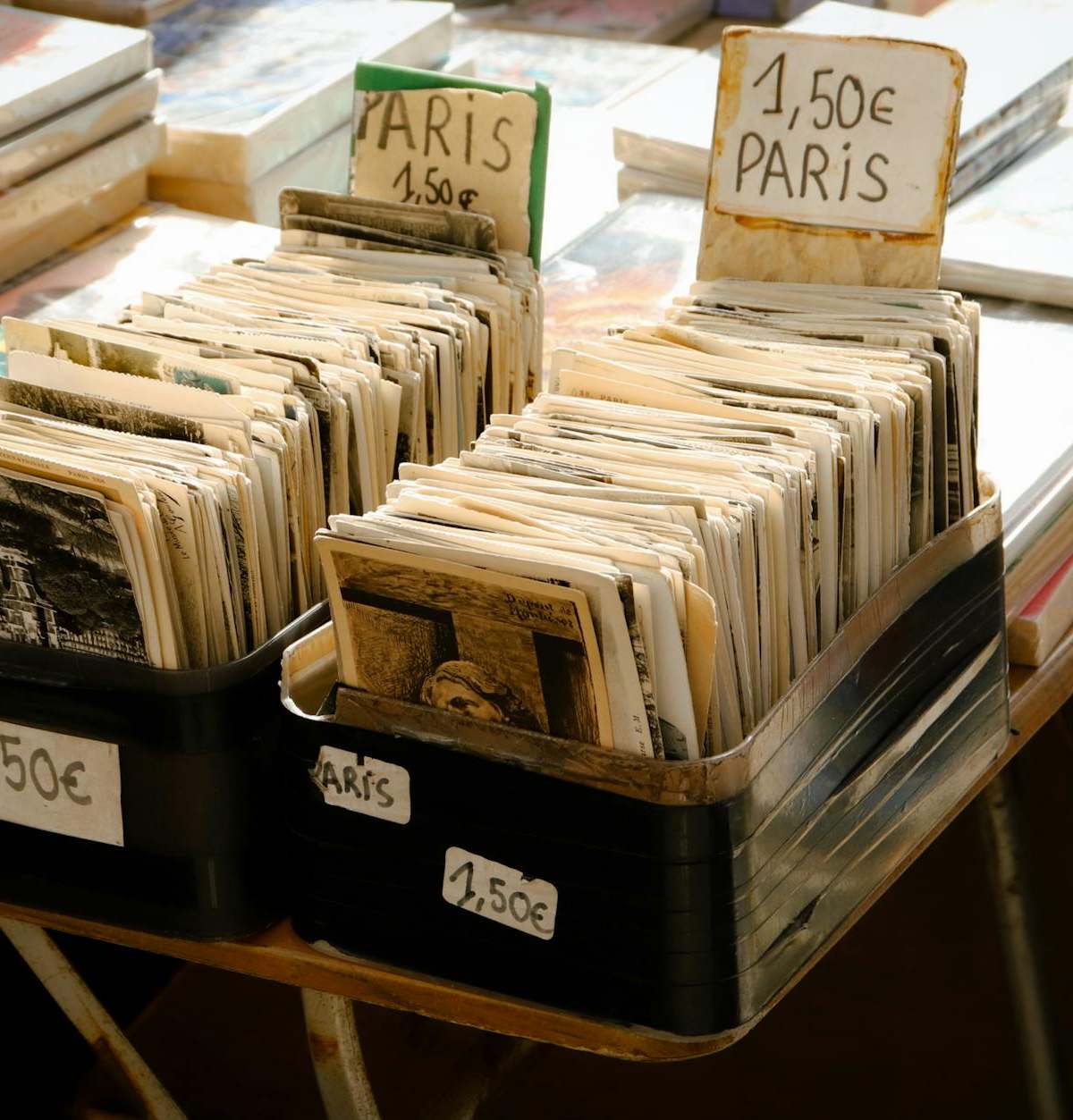
Quick answer
Discover the world's largest antique market at Marché aux Puces de Saint-Ouen with an expert guide. Navigate 15 unique markets, uncover hidden gems, and secure exclusive deals on luxury vintage fin...
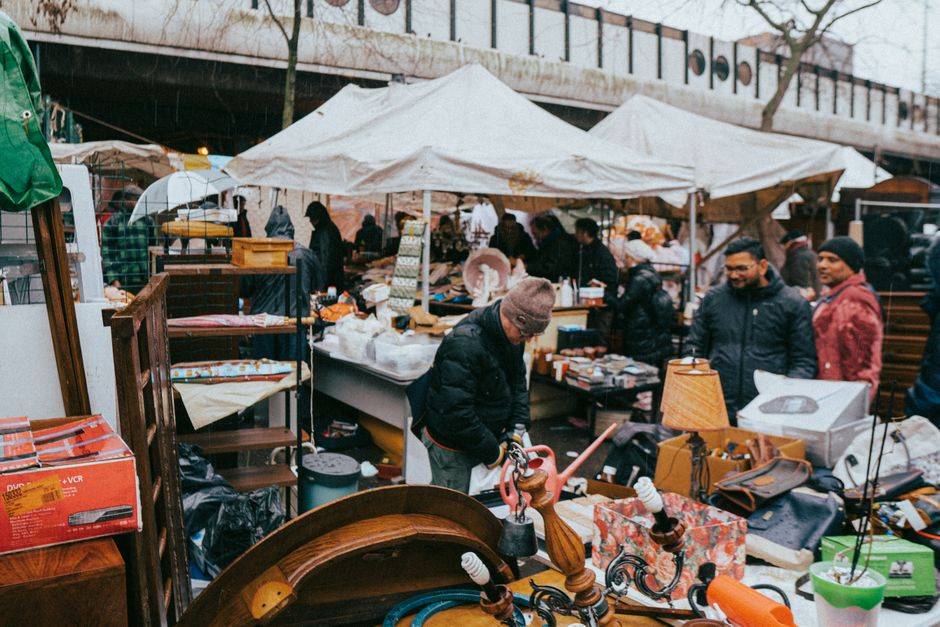
The Marché aux Puces de Saint-Ouen is one of Paris’s most extraordinary markets, and one of the easiest to underestimate. Spread across seven hectares just north of the city at Porte de Clignancourt, it claims the title of the world’s largest antique market. More than 1,700 dealers work across fifteen separate markets, each with its own atmosphere, specialties, and level of pricing. That scale is exactly why first-time visitors often feel lost. Without a plan, it is easy to spend two hours wandering past the wrong stalls, overpaying for tourist bait, and leaving with the sense that you have only scratched the surface.
That is where expert guidance makes all the difference. The Puces is not a single market but a collection of distinct zones, and each one rewards a different kind of interest. Some areas are ideal for high-end antiques and museum-quality pieces. Others are better for vintage clothing, smaller collectibles, or mid-century design. Knowing where to start, what to skip, and how to move through the market efficiently can change the experience completely. Instead of confusion, you get structure. Instead of browsing at random, you get a route.
Why a Guide Helps
What makes the Puces so compelling is also what makes it difficult: there is simply too much to see. Biron, Cambo, Dauphine, Paul Bert-Serpette, Vernaison, Jules Vallès, L’Entrepôt, and the other markets all have their own identities. Some focus on rare furniture and decorative arts. Others lean toward fashion, memorabilia, prints, or smaller vintage finds. A visitor arriving without context can easily wander from one section to another without realizing that the market has changed character entirely.
Biron, for instance, is where you are most likely to find high-end 18th- and 19th-century antiques in a more gallery-like setting. The quality is serious, but so are the prices. Vernaison, on the other hand, is the oldest of the markets, dating back to 1920, and it tends to feel more accessible. There you will find smaller vintage objects, clothes, and collectibles at more approachable price points. Paul Bert-Serpette is a different world again, with a strong focus on mid-century modern pieces and 20th-century design.
A guide who works here regularly knows these distinctions instinctively. More importantly, they know the people behind the stalls. That means access, but not just in the abstract sense. It means knowing which dealers bring in new stock on which days, which ones specialize in particular categories, and which pieces are worth asking to see from the back room. In a market like this, that knowledge is often the difference between looking and finding.
The Market Route
Most guided visits begin at Porte de Clignancourt, usually near La Recyclerie on Boulevard Ornano. That makes sense, because the area around the metro is often the least interesting part of the entire experience. There are stalls there selling counterfeit handbags, cheap Eiffel Tower souvenirs, and all the predictable tourist clutter that tends to gather around major landmarks. For a first-time visitor, this can be misleading. It feels like the market itself, but it is really just the outer layer.
A good guide gets you past that quickly. The real Puces begins deeper in, often around Rue des Rosiers and the surrounding market lanes. From there, a three-hour visit can cover three or four distinct sections, depending on your interests. If you are looking for Art Deco furniture, the route will probably lean toward Serpette and Dauphine. If you are interested in vintage fashion or accessories, the guide will likely spend more time in Malik or Cambo. If your focus is mid-century design, Paul Bert becomes essential.
This flexibility is one of the strongest reasons to go with someone who knows the market well. The Puces is not a place where a single route fits everyone. A visitor looking for lighting fixtures, for example, will need a very different path from someone searching for posters, jewelry, or industrial furniture. A good guide notices that immediately and adjusts. You are not being led through the market in a generic way. You are being matched to the parts of it that actually matter to you.
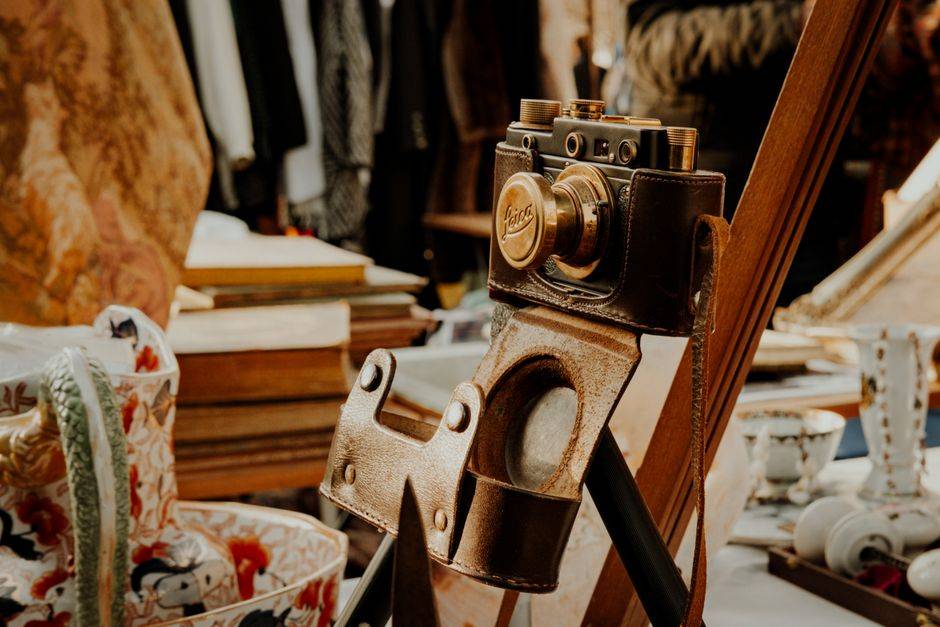
Along the way, the best guides also introduce you to the people who give the market its character. You may meet the dealer who has sold Belle Époque jewelry for decades, or the couple specializing in aviation memorabilia, or the seller whose entire stall is dedicated to antique scientific instruments. These people are not simply vendors. They are specialists, collectors, and in many cases lifelong participants in the market’s ecosystem. The stories they tell about provenance, value, and changing tastes are part of what makes the visit worthwhile.
Negotiating Well
Negotiation is part of the Puces experience, but it works best when handled with care. Everything is, in principle, negotiable, but that does not mean every offer is welcome. A guide helps here as well, because they understand the local etiquette. They can tell you how to ask about price without sounding aggressive, what counts as a fair first offer, and when a lower number crosses the line from reasonable to insulting.
This matters more than it may seem. At a market like Saint-Ouen, the relationship between buyer and dealer is often built on familiarity and tone. If you know how to approach the conversation, you are much more likely to get a serious response. If you do not, you may simply be ignored or quoted a firm price with no room for movement. A guide can translate not just language but social cues, which is often just as important.
They also become especially useful when a purchase needs to travel. Many buyers at the Puces are international visitors, and not every item can simply be carried back by hand. A good guide can connect you with reliable shipping and packing services, which matters a great deal if you are buying furniture, fragile objects, or anything of real size and value. That kind of practical support turns the market from a browsing destination into a serious shopping opportunity.
Cash is still worth bringing, even if some larger dealers accept cards. It simplifies transactions and can make negotiation feel more natural. Small stalls and older vendors may prefer it outright. Having euros on hand signals that you are ready to buy rather than merely compare.
The Market’s History
The Puces is not just a marketplace. It is a piece of Parisian social history. Its origins lie in the late 19th century, when ragpickers, or chiffonniers, began gathering and reselling salvaged goods near the city’s northern gates. As Paris modernized, rebuilt, and discarded old objects, those informal practices evolved into more organized trade. The market’s current structure reflects that long history of reuse, adaptation, and resourcefulness.
That background matters because it explains the market’s character. The Puces has never been a polished luxury mall in disguise. It grew out of a working-class economy of salvage and resale, and that spirit still lingers in the way dealers operate. Even today, many of the best finds come from specialists who have inherited not just stock but a way of understanding value. The market is commercial, but it also has memory.
There is more to the area than the stalls themselves. Good guides know to point out the surrounding cultural life: the bal musette where accordion players perform, the jazz manouche bars tucked into less obvious corners, the street art on nearby walls, and the concept stores that blend vintage with contemporary design. These elements help show that Saint-Ouen is more than a shopping destination. It is a neighborhood with its own rhythm, one that exists somewhat apart from the more familiar tourist version of Paris.
When to Go
Timing changes the experience a great deal. The market is open from Saturday through Monday, with Sunday drawing the largest crowds. If you want the best chance of finding exceptional pieces before too many other people have seen them, early Saturday morning is usually ideal. Dealers and professional decorators often arrive early, which means the market is at its most active before the tourist wave builds. Not every stall opens at the same hour, but the energy is often best before 10 AM.
Sunday offers a different kind of appeal. It is busier, louder, and more atmospheric. If you want the market at full volume, with live music, crowded cafés, and the sense that everyone is out hunting for something, Sunday afternoon is the moment. It is less efficient, but more dramatic. You see the Puces as a living social event rather than just a place to buy things.
Comfort matters too. You will walk a lot, easily three kilometers or more, and many of the market sections are only partly covered. That makes the Puces viable even in bad weather, but it also means good shoes are essential. The market is enjoyable only if you can move through it without thinking about your feet the whole time.
Beyond Shopping
What makes Saint-Ouen memorable is that it is not only a place to shop. It is a place to observe how Paris deals in objects, memory, and taste. Some visitors come for a single antique. Others come for design ideas. Others just want to wander through an environment where furniture, fashion, and ephemera all sit in a state of constant negotiation.
The best visits combine practical shopping with a sense of discovery. You may come looking for one thing and leave with another. You may discover that the most interesting part of the day was not the object you bought, but the dealer who explained why certain pieces matter, or the café where you paused between sections, or the side alley where a specialist shop held exactly the item you did not know you wanted.
That is why guided visits are so effective here. They compress years of learning into a few hours and make the market feel legible rather than overwhelming. They also help you avoid the expensive mistakes that are easy to make in a place where prices can vary enormously and not every stall is equally trustworthy.
A Better Way In
The Marché aux Puces rewards knowledge. Knowing which market to prioritize, which dealers to trust, how to negotiate, and where the real value lies transforms the visit. Without that guidance, it is easy to leave exhausted and uncertain. With it, the market becomes something else entirely: a place of discovery, conversation, and genuine finds.
For travelers who want more than just a browse, expert guidance is not a luxury. It is the simplest way to make sense of the scale, avoid the obvious traps, and reach the parts of the Puces that actually matter. In a market this large, the right route is the difference between seeing Parisian antiques and understanding them.
Keep exploring: 15 hidden gems most tourists miss · planning Paris and Rome together · Plan your Paris trip with a local
Get our free Insider Paris Guide: the neighborhoods, restaurants and hidden corners we send our own clients. No tourist traps, no filler.
Get the free guide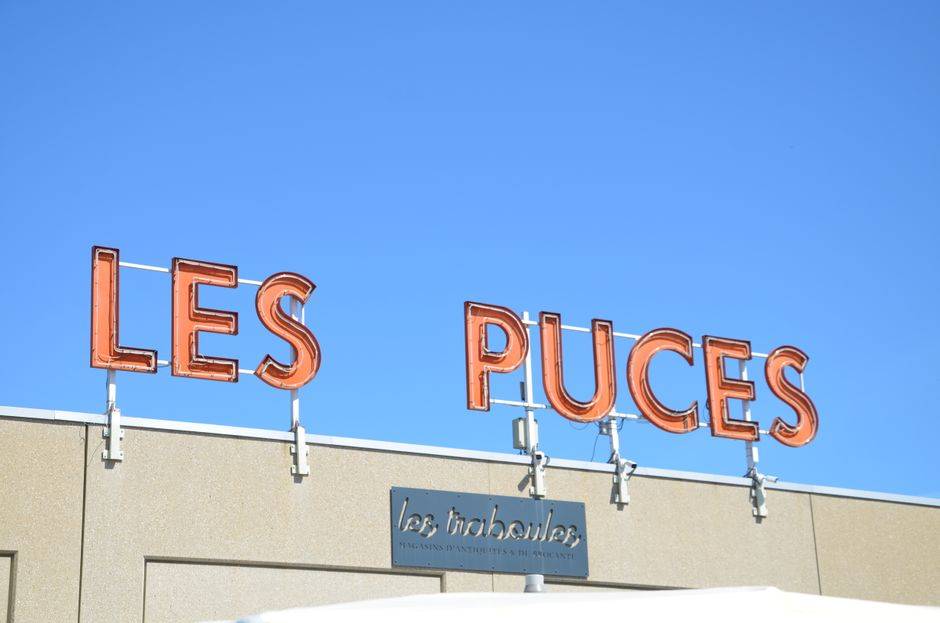
Ready to experience Paris for yourself? Plan Your Paris Trip with Chic Trip - a custom route, coordinated bookings and one accountable planner.
Planning your own Paris trip? Estimate your budget with the free Paris trip cost calculator, find out how many days you need in Paris, check when to book everything in Paris, or build a day-by-day plan with the Paris itinerary planner.
About Chic Trip
A journey designed exclusively for you: a personal itinerary, restaurant recommendations refined with your feedback, approved reservations and practical details in the Chic Trip app. Your written proposal confirms the total, inclusions and booking conditions before you commit. Start with a free call or email; no payment or price acceptance is required to enquire.