Disneyland Paris vs. Parc Astérix
Sightseeing 7 min read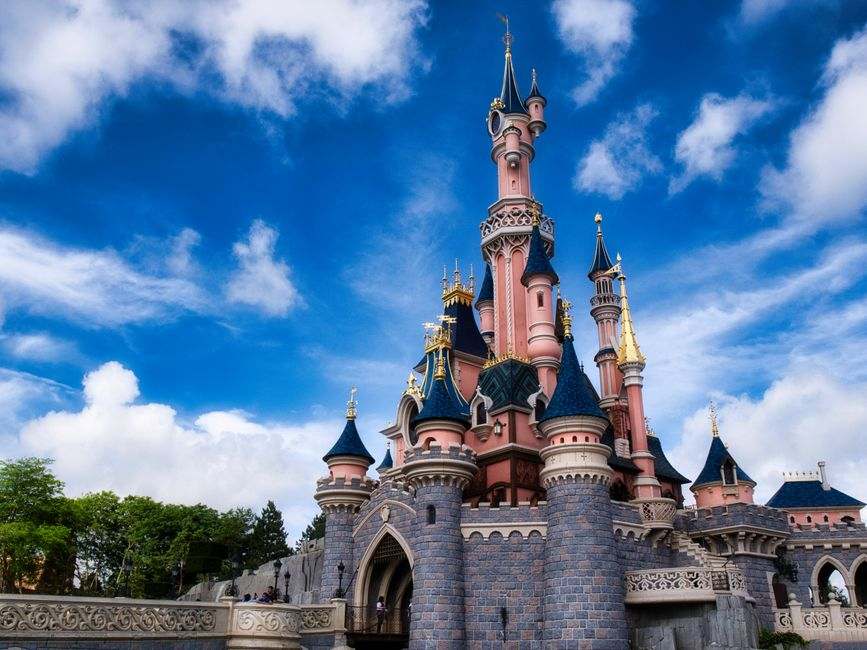
Quick answer
Discover Disneyland Paris vs. Parc Astérix: Compare luxury thrills, French heritage, and Disney's 2026 €2B transformation with Frozen land and spectaculars for your elite European escape.
Paris holds an unusual distinction among European capitals: two major theme parks within 40 kilometers of each other, representing entirely different philosophies about entertainment, cultural identity, and what constitutes a good time. One park cost billions and brought American fantasy to French soil. The other celebrates French comic heritage with roller coasters named after indomitable Gauls who once terrified Julius Caesar. Understanding which park—or whether both—deserve your limited vacation days requires knowing what each actually delivers beyond marketing brochures.
Disneyland Paris: The American Empire Strikes Back
When Euro Disney opened in 1992 near Marne-la-Vallée, French intellectuals declared cultural apocalypse. Thirty-four years later, it's Europe's most visited theme park, proving that Gallic resistance crumbles before Pixar characters and optimized guest flow management.
March 29, 2026 marks the resort's biggest transformation since opening: Walt Disney Studios becomes Disney Adventure World, unveiling the World of Frozen land and Adventure Bay—a central lake connecting Marvel, Pixar, and Disney universes in a €2 billion reimagining that positions the second park as legitimate multi-day destination rather than half-day disappointment.
What's Actually New
The World of Frozen land recreates Arendelle at full scale—North Mountain crowned by Elsa's Ice Palace, village square faithful to the films, and the centerpiece Frozen Ever After boat ride featuring next-generation Audio-Animatronics that make previous Disney robots look like they're having seizures. Guests meet Elsa and Anna in the castle throne room and watch A Celebration in Arendelle performed on Viking longships in Arendelle Bay.
The new Disney Cascade of Lights nighttime spectacular illuminates Adventure Bay with fireworks, water screens, aquatic drones, and special effects Disneyland Paris has never deployed before. This exclusive production represents Disney's acknowledgment that Paris deserves shows developed specifically for European audiences rather than recycled Florida programs.
Coming beyond 2026: an exclusive Lion King water attraction spanning 13,000 square meters—larger than Pirates of the Caribbean—culminating in a 16-meter drop that will terrify children and thrill lawsuit-averse parents simultaneously.
The Classics Still Matter
Disneyland Park maintains its 40+ attractions across five lands that remain superior to most anything Disney built in the decades since. Phantom Manor surpasses Haunted Mansion with darker Victorian Gothic atmosphere. Big Thunder Mountain winds through an island setting American parks can't match. Pirates of the Caribbean predates Johnny Depp's involvement and benefits accordingly.
Disney Adventure World already features Avengers Campus with Spider-Man W.E.B. Adventure, plus Ratatouille: The Adventure—a trackless dark ride so successful it was cloned for Walt Disney World, reversing the usual west-to-east technology transfer.
The Reality Check
Disneyland Paris ticket and hotel-package prices depend on the date, number of parks, length of stay and selected offer. Compare the current official quote, including meals and transport, rather than using a fixed one-day range. Dining runs from quick service to bookable restaurants: choose from the current menus and your family’s preferences.
The park operates 32 kilometers east of Paris, requiring 45-minute RER A train journey or paying for Disney shuttle/private transfer. This isn't "Paris"—it's Marne-la-Vallée, a purpose-built resort town where the only authentic French experience involves watching locals commute through your vacation fantasy.
Parc Astérix: The Gallic Resistance
Thirty-five kilometers north of Paris, Parc Astérix delivers the alternative: a theme park celebrating French comic heritage, Gaulish resistance to Roman imperialism, and the radical notion that European culture needn't surrender entirely to American IP dominance.
Opened in 1989 by Compagnie des Alpes, the park revolves around Astérix, Obelix, and the indomitable Gaulish village that held out against Caesar's legions thanks to magic potion and extreme stubbornness. If you didn't grow up reading René Goscinny and Albert Uderzo's comics, this means nothing. If you did—or if your children consume European rather than exclusively American media—Parc Astérix offers familiar characters embedded in French cultural identity.
What Parc Astérix Actually Is
Six themed areas—Gaul, Roman Empire, Ancient Greece, Vikings, Through Time, and Egypt—contain 40+ attractions ranging from family-friendly to genuinely intense coasters that Disney's safety committees would never approve. Tonnerre 2 Zeus (Thunder of Zeus) delivers classic wooden coaster violence. Goudurix torments riders with seven inversions. Pégase Express launches families through Greek mythology. Toutatis—a €32 million addition opened in 2023—reaches 110 km/h and a height of 51 meters, making it the park's most ambitious coaster.
The atmosphere differs fundamentally from Disney's relentless optimism. Astérix embraces chaos, physical comedy, and humor rooted in European sensibilities rather than focus-grouped corporate safety. Shows feature actual stunts rather than Audio-Animatronics lip-syncing to Broadway arrangements. Dolphins and sea lions perform in the Théâtre de Poséidon—actual animals doing actual tricks, a concept Disney abandoned decades ago for ethical and liability reasons.
The Practical Advantages
Compare Parc Astérix’s official dated tickets with the Disney offer for the same day and party. Transport, food and any queue-management extras affect the total. Crowds rarely reach Disney levels because it attracts primarily French and Belgian visitors rather than global tourism waves. The food—while still theme park food—includes regional French options that acknowledge visitors might want galettes, crêpes, or something vaguely resembling local cuisine.
Access requires 35 kilometers north of Paris via direct shuttle buses from several Paris locations or driving. Like Disney, it's not technically Paris, but the journey takes similar time.
The Cultural Calculation
Parc Astérix tests whether theme parks require universal recognition. American and Asian visitors often struggle with the concept—who are these characters? Why should I care about Gauls versus Romans? Disney's global IP penetration means everyone recognizes Mickey, Elsa, and Spider-Man regardless of origin. Astérix requires cultural context that many visitors lack, making it simultaneously more authentic and potentially less rewarding for those outside its cultural frame.
Which Park Deserves Your Time?
Choose Disneyland Paris if: You're traveling with children who worship Disney IP, you want production values and ride technology at the highest global standard, you're comfortable spending substantially more for guaranteed satisfaction, or you believe theme parks should deliver universal experiences transcending specific cultural contexts.
Choose Parc Astérix if: You want European-flavored theme park experience without complete American cultural surrender, your children know Astérix and Obelix characters, you prioritize coaster intensity over dark ride spectacle, or you're French/Belgian and already exhausted by Disney's cultural imperialism.
Do both if: You're spending a week in Paris with theme-park-obsessed children who don't distinguish between IP universes, you're theme park enthusiasts wanting comprehensive European park experience, or you're wealthy enough that the combined €100-160 per person daily cost plus transportation doesn't require financial planning.
The Honest Assessment
Disneyland Paris delivers superior production values, better ride maintenance, more sophisticated attractions, and global brand recognition that ensures satisfaction even when execution disappoints. It's expensive, crowded, and culturally homogenizing—but it works because Disney's century of experience optimizing guest manipulation remains unmatched.
Parc Astérix offers regional authenticity, better value, smaller crowds, and proof that European culture can sustain theme parks without licensing American IP. It's rougher around edges, less technologically advanced, and fundamentally inaccessible to visitors lacking cultural context—but it preserves alternatives in an entertainment landscape increasingly dominated by five global corporations.
Paris offers both because France simultaneously embraces and resists American cultural influence, building Disneyland while maintaining Astérix as counter-narrative. Choose based on what you value: magic kingdom perfection or Gallic chaos. Either way, you're getting theme parks that reveal how Europe negotiates with American entertainment hegemony, one roller coaster at a time.
Keep exploring: castles near Paris that rival Versailles · planning Paris and Rome together · Plan your Paris trip with a local
Get our free Insider Paris Guide: the neighborhoods, restaurants and hidden corners we send our own clients. No tourist traps, no filler.
Get the free guide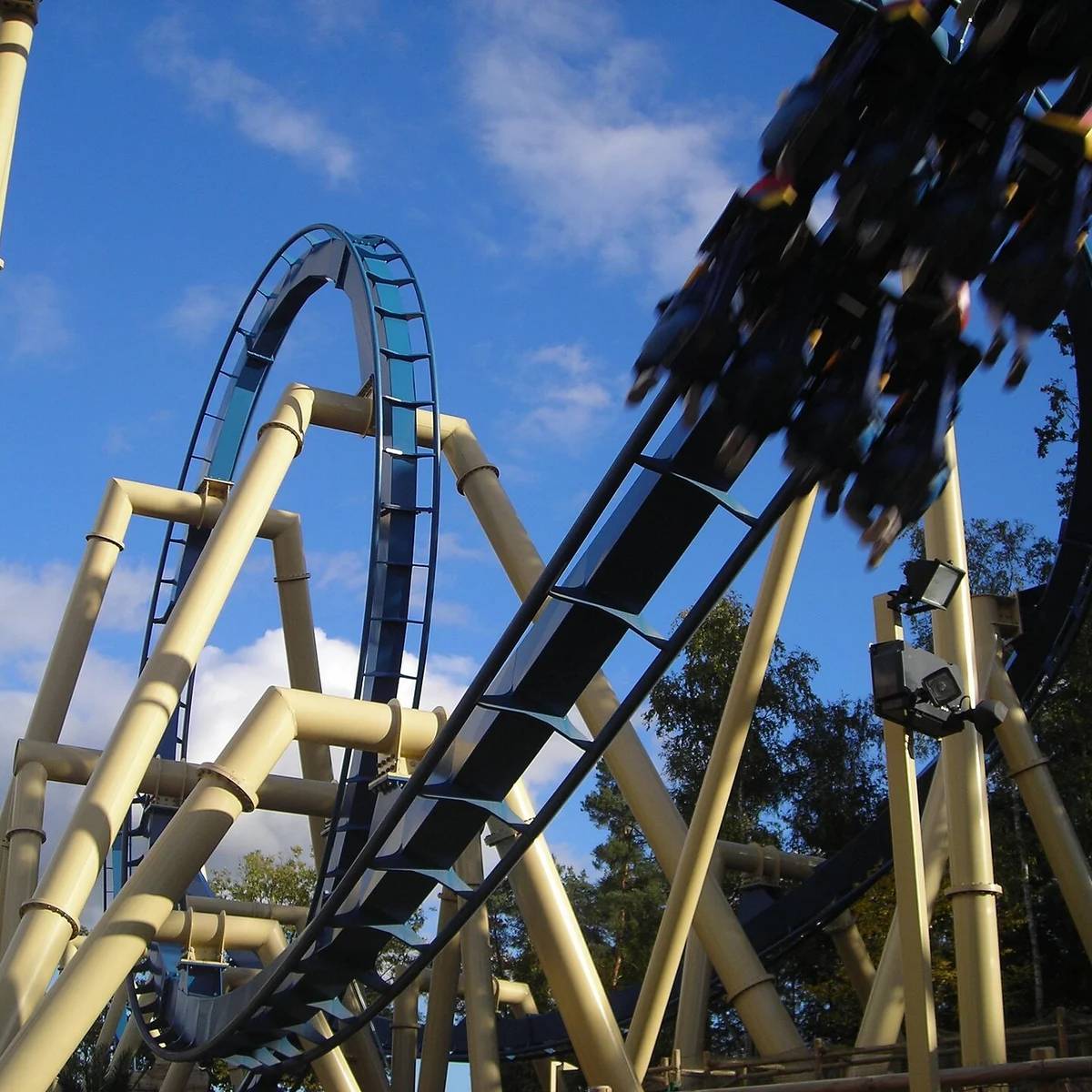
Ready to experience Paris for yourself? Plan Your Paris Trip with Chic Trip - a custom route, coordinated bookings and one accountable planner.
Planning your own Paris trip? Estimate your budget with the free Paris trip cost calculator, find out how many days you need in Paris, check when to book everything in Paris, or build a day-by-day plan with the Paris itinerary planner.
About Chic Trip
A journey designed exclusively for you: a personal itinerary, restaurant recommendations refined with your feedback, approved reservations and practical details in the Chic Trip app. Your written proposal confirms the total, inclusions and booking conditions before you commit. Start with a free call or email; no payment or price acceptance is required to enquire.