Paris Eternal: Three Writers Who Forged the City's Literary Soul
Culture 5 min read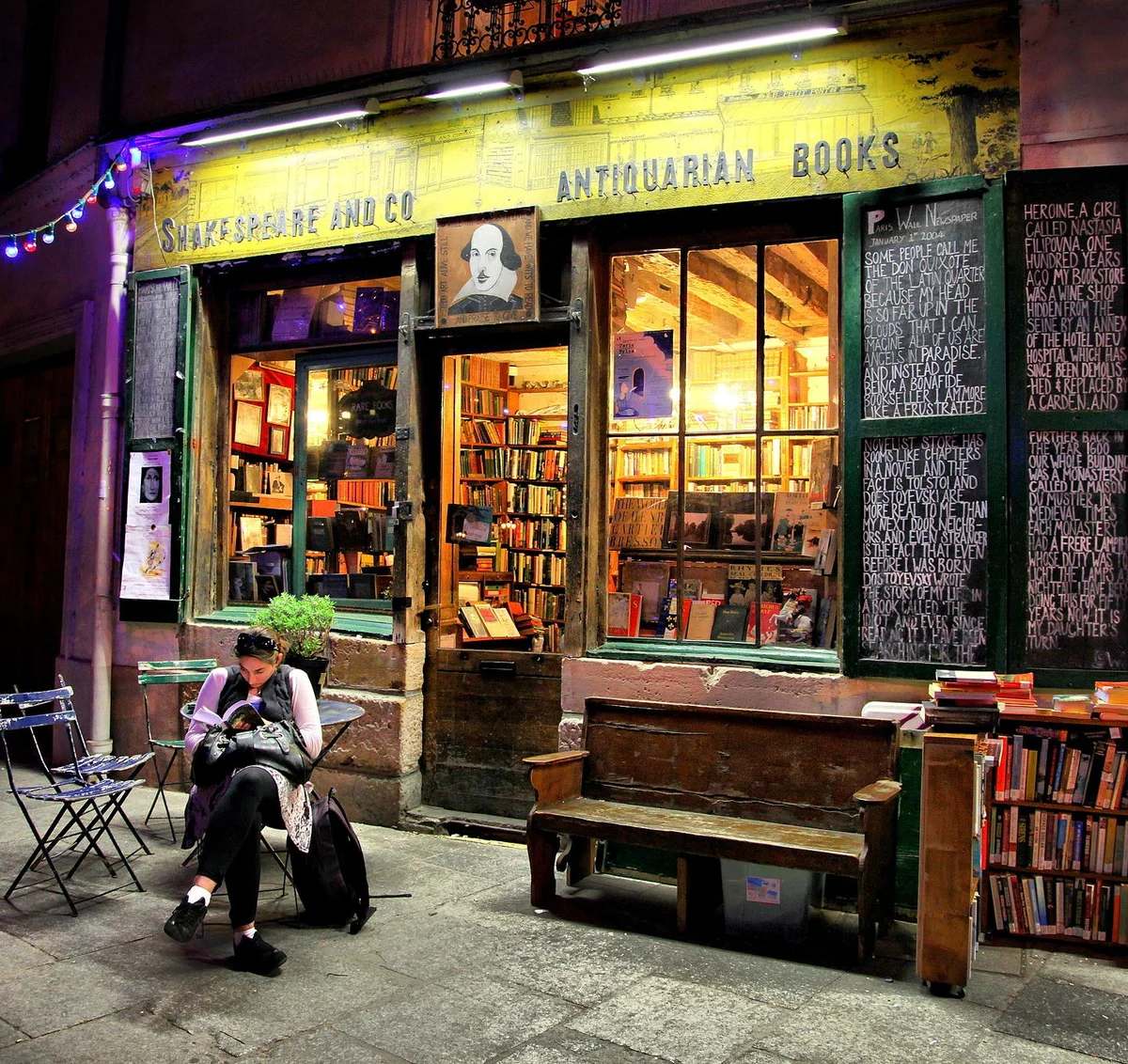
Quick answer
Discover how Victor Hugo, Honoré de Balzac, and Charles Baudelaire forged Paris's literary soul, transforming the City of Light into an eternal muse for sophisticated travelers.
Paris isn't just setting for literature—it's protagonist, character, obsession. Three writers transformed the city from backdrop into literary mythology: Victor Hugo who saved Notre-Dame from demolition and gave voice to the miserable masses, Honoré de Balzac who catalogued every street and social stratum in ninety-five novels, and Charles Baudelaire who invented the flâneur and made urban alienation into poetry. Understanding their Paris means recognizing how these men didn't just write about the city—they fundamentally shaped how the world perceives it.
Victor Hugo: The Architect of Romantic Paris
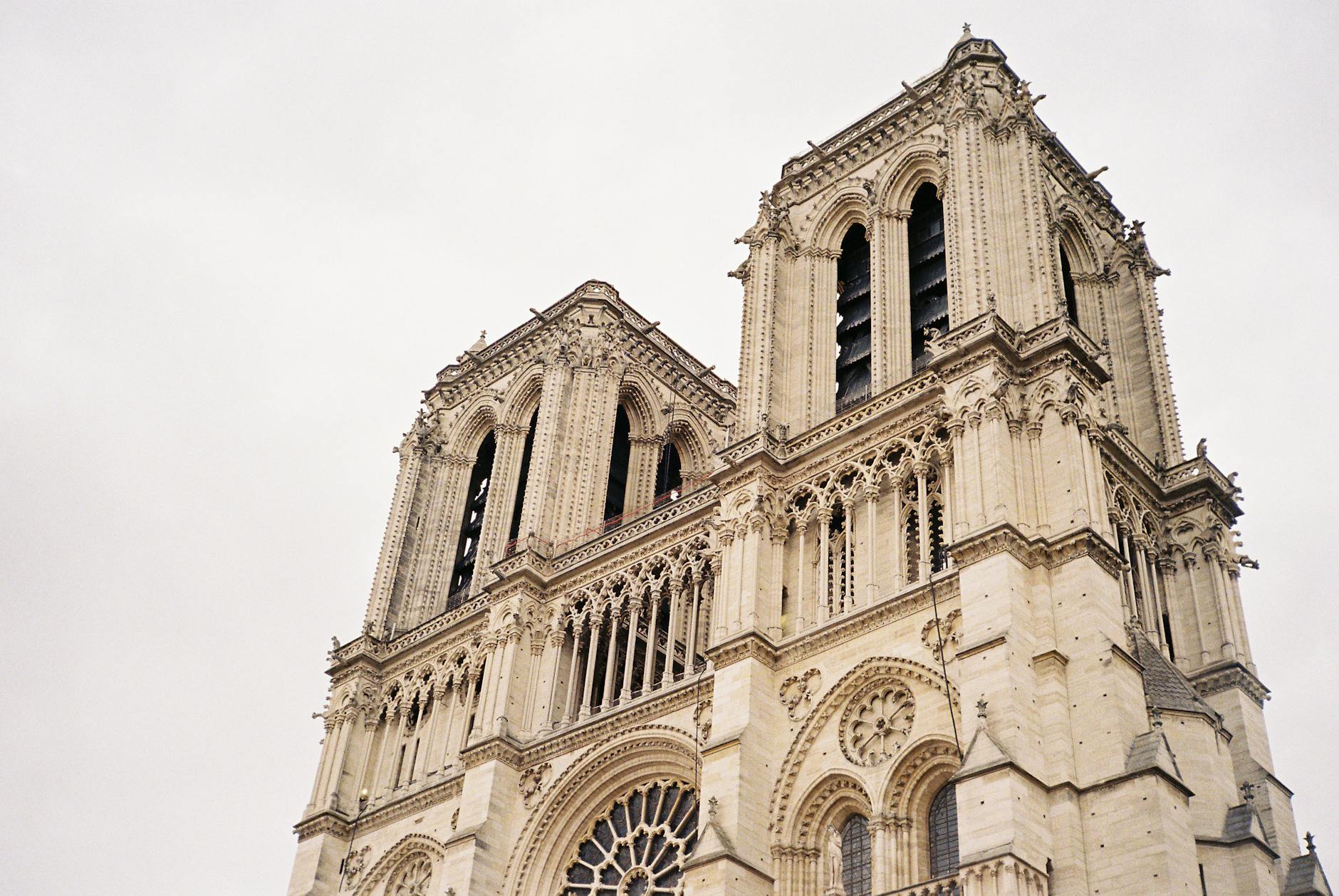
Victor Hugo dominated 19th-century French literature with such force that when he turned eighty in 1881, Paris renamed Avenue d'Eylau in his honor—it became Avenue Victor Hugo, a rare tribute for a living writer. His influence extended beyond words into stone: The Hunchback of Notre-Dame (1831) single-handedly sparked the restoration movement that saved Notre-Dame Cathedral from demolition.
When Hugo published the novel, Notre-Dame was crumbling, viewed as medieval relic incompatible with modern Paris. His Gothic-Romantic masterpiece—featuring Quasimodo, Esmeralda, and the cathedral itself as central character—created such public fascination that restoration began immediately. Hugo led the fundraising campaign and preservation efforts, transforming literary success into architectural salvation.
His other monumental work, Les Misérables (1862), chronicles post-Revolution Paris from 1815-1832, examining harsh consequences of law enforcement tempered by redemption. The novel staged revolutionary events on the Panthéon steps following General Lamarque's death in 1832. Fifty years later, Hugo himself was buried in that same Panthéon with a funeral procession exceeding two million people—the largest state funeral France had ever witnessed.
Hugo's political engagement matched his literary output. As statesman, he raised money to preserve Paris monuments and parks, leading movements that reshaped the city's relationship with its own history. His salon on Rue Jean-Goujon welcomed political, literary, and artistic celebrities, making his home the center of Romantic movement culture.
His final words—"To love is to act"—encapsulated the philosophy that drove both his writing and his civic engagement. Hugo didn't observe Paris from distance; he fought for it, wrote it into permanence, and ultimately became so identified with the city that his funeral drew one-third of Paris's entire population into the streets.
Honoré de Balzac: The Cartographer of Human Comedy
While Hugo dealt in grand romantic gestures, Balzac documented every social stratum, profession, and Parisian street corner with obsessive precision. Born in 1799, he began as law clerk at sixteen before abandoning legal career for writing—a decision that left him perpetually debt-ridden and working incessantly to improve worsening financial conditions.
Between 1830 and 1850, Balzac produced approximately ninety-five novels plus numerous shorter works, all organized into the monumental series La Comédie Humaine (The Human Comedy)—intended as comprehensive depiction of French society and human behavior's complexities. This literary project functioned as sociology before sociology existed as discipline, cataloguing how Parisians of every class lived, worked, loved, schemed, and failed.
Balzac's writing style combined remarkable attention to detail with dedication to extensive revision. He didn't romanticize Paris—he dissected it, showing how money corrupted, ambition destroyed, and society's machinery ground individuals into types. His Paris was simultaneously specific (real street names, actual neighborhoods, recognizable professions) and universal (the types he created represented eternal human characteristics).
Though he died at fifty-one, his influence on literature remains profound—he's celebrated as foundational figure in literary realism. Where Hugo saved Notre-Dame through romantic mythology, Balzac preserved everyday Paris through exhaustive documentation. His novels remain the most complete portrait of 19th-century Parisian life ever written.
Charles Baudelaire: Poet of the Modern Flâneur
Charles Baudelaire invented how we think about cities. His concept of the flâneur—the casual wanderer who observes and reports on modern urban life—defined the relationship between individual consciousness and metropolitan experience. The flâneur wasn't merely walking; he was conducting aesthetic and philosophical investigation of urban modernity itself.
In mid-19th century Paris, during Baron Haussmann's massive urban transformation, Baudelaire's flâneur emerged as witness and participant in this upheaval. The new boulevards and redesigned passages created perfect terrain for this urban explorer who developed unique observation of city life through attentive, meditative wandering.
Baudelaire captured the flâneur's duality—simultaneously detached and deeply curious—in his poetry, particularly Le Spleen de Paris (Paris Spleen). The flâneur wasn't just passerby but explorer of changing urban realities, transforming each promenade into aesthetic and sensory experience. This figure maintained critical distance while remaining fascinated by the kaleidoscopic manifestations of modern city life.
The flâneur's method and meaning were inseparable—physical wandering paralleled intellectual exploration. Baudelaire's Paris became the archetypal modern city where alienation and enchantment coexisted, where the individual navigated crowds while remaining profoundly alone. His flâneur revealed through poetry a new cartography of the urban soul, showing how modern cities simultaneously excited and destroyed human connection.
Though Haussmann's renovations destroyed much of Baudelaire's Paris, the city remains more associated with flânerie than any other. The flâneur's spirit persists in intellectual curiosity and bohemian exploration that continue defining Parisian identity.
These three writers didn't document Paris—they invented it. Hugo gave the city romantic mythology that saved its architecture. Balzac catalogued its social machinery with obsessive completeness. Baudelaire created the philosophical framework for understanding urban modernity itself. Their Paris survives because they wrote it so completely that visitors still arrive seeking the city these men constructed in prose and poetry rather than the contemporary metropolis that exists independently. Understanding their work means recognizing that literary Paris sometimes matters more than geographical Paris, and that three 19th-century writers continue shaping how millions experience a city they've never actually seen—only read.
Keep exploring: Emily in Paris filming locations · a romantic Paris guide for couples · Plan your Paris trip with a local
Get our free Insider Paris Guide: the neighborhoods, restaurants and hidden corners we send our own clients. No tourist traps, no filler.
Get the free guide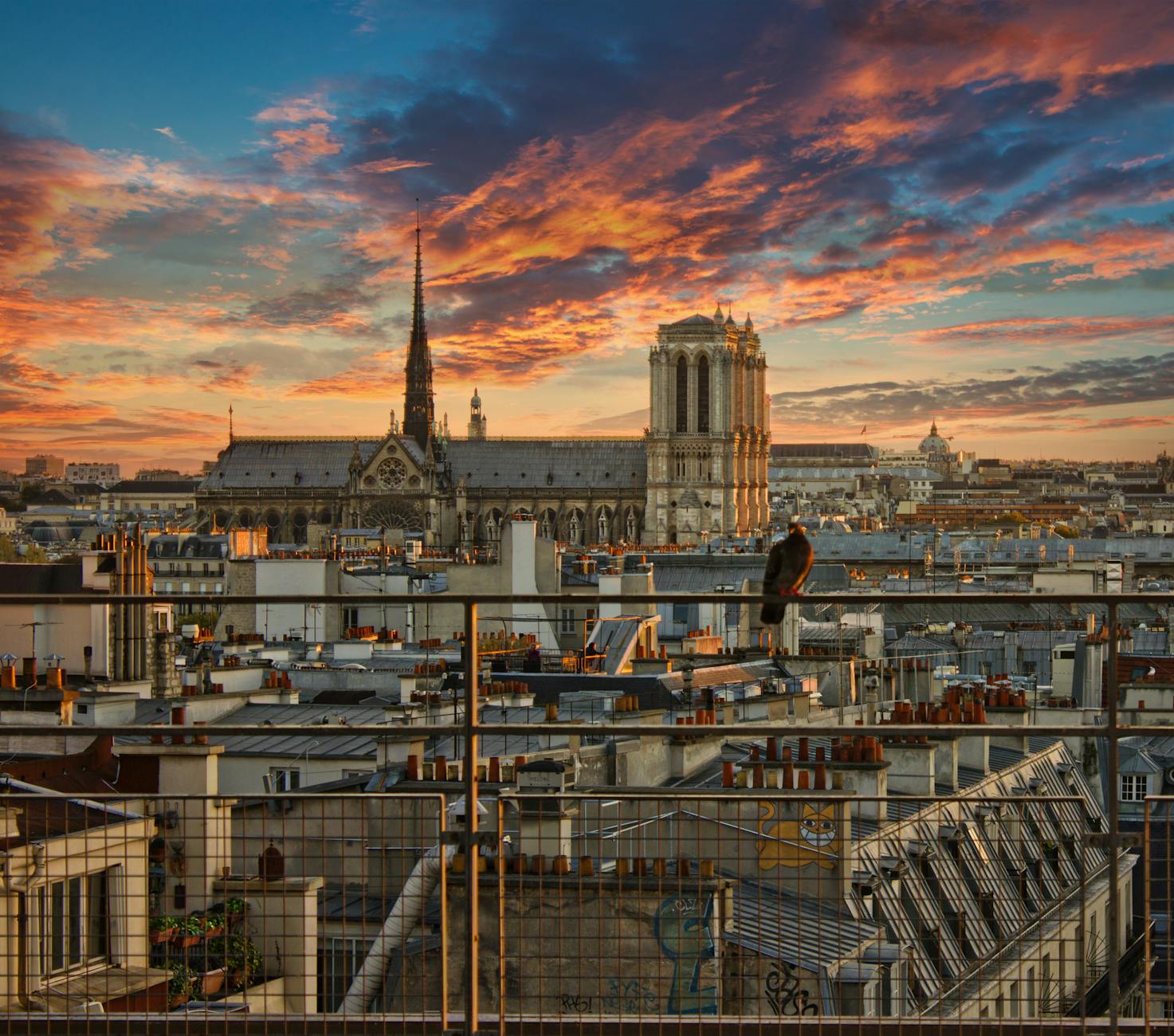
Ready to experience Paris for yourself? Plan Your Paris Trip with Chic Trip - a custom route, coordinated bookings and one accountable planner.
Planning your own Paris trip? Estimate your budget with the free Paris trip cost calculator, find out how many days you need in Paris, check when to book everything in Paris, or build a day-by-day plan with the Paris itinerary planner.
About Chic Trip
Chic Trip is a Paris-based trip planning and booking concierge for American travelers. Founder Frederic Canesso and his Paris team design day-by-day itineraries and coordinate restaurant tables, official timed entries, tours and airport transfers. The planning fee depends on trip length and group size. Restaurant reservations and official tickets are at face price, hotels at public rates, and tours and transfers at clear package prices quoted upfront. Tell us about this trip or read our traveler reviews and feedback.