Private View: Museums You Can Visit Before the Crowds Arrive
Sightseeing 11 min read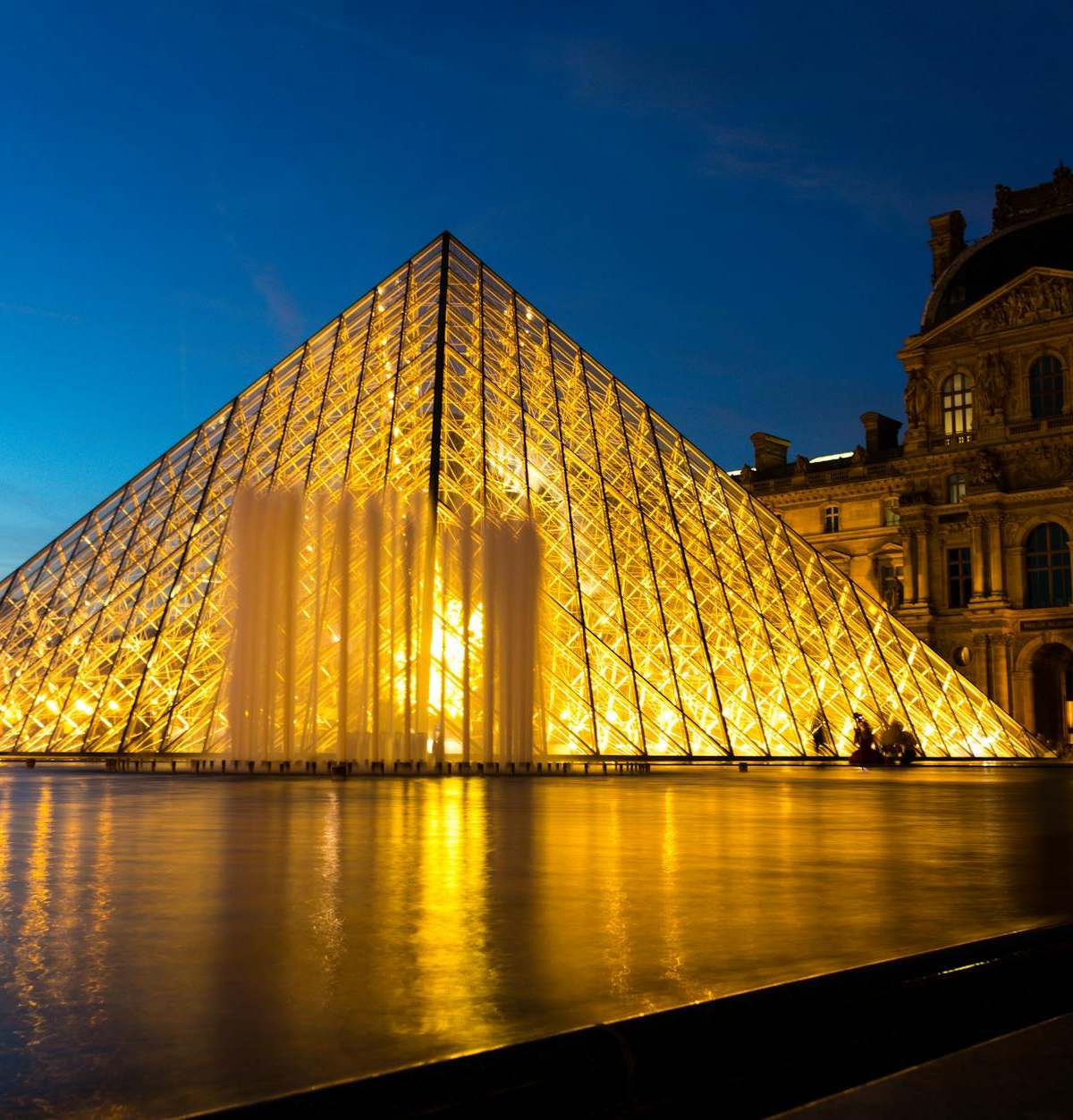
Quick answer
Escape the crowds at Paris museums with exclusive early access tours. Enjoy private views of the Louvre's Mona Lisa and Venus de Milo in serene mornings, perfect for luxury travelers seeking intima...
Paris museums are among the most extraordinary in the world, but they are also among the busiest. If you have ever stood in line outside the Louvre on a summer morning, you already know the feeling: the heat builds, the crowds thicken, and the promise of a quiet cultural experience starts to disappear before you even enter the building. By mid-morning, some of the city’s most famous rooms can feel less like galleries and more like bottlenecks, with visitors moving in slow waves toward the same handful of masterpieces.
That is exactly why early access and private viewing experiences have become so appealing. They change the rhythm of the visit entirely. Instead of joining the rush, you arrive when the museum is still calm, the galleries are almost silent, and the works of art can be seen properly, without pressure, noise, or constant movement around you. For luxury travelers in particular, this difference matters. It is not just about skipping a line. It is about being able to actually experience art in a way that feels personal, unrushed, and memorable.
Distinguish three products before comparing offers: a normal first-entry ticket, a private guide during public hours, and a specially authorized visit outside public hours. “Private tour” usually describes the guide and group, not an empty museum. Genuine out-of-hours access requires the venue’s approval and specific written arrangements.
Why Early Access Changes Everything
The difference between a regular visit and an early one is more dramatic than most people expect. At standard entry times, the city’s most famous museums can fill quickly, especially during spring and summer. Tour groups arrive in clusters, security queues lengthen, and popular rooms become difficult to navigate. Even if you manage to move efficiently through the museum, the experience is often fragmented by crowd pressure.
Early access solves that problem at the root. When you enter before the general public, you get a museum that feels spacious and almost private. There is more room to stand back from a painting, more time to absorb detail, and far less visual noise around the work itself. The atmosphere also changes. The galleries feel cooler, quieter, and more contemplative. Even the light is often better, especially in spaces with windows or skylights.
This is one of the reasons many travelers remember early access visits so vividly. They are not just more convenient. They are qualitatively different. A masterpiece seen in near silence creates a very different impression from the same work viewed while people are jostling past you and a guide is speaking over the crowd. The art does not change, but the experience absolutely does.
The Louvre Before the Rush
The Louvre is the clearest example of why early access is worth considering. At 10 AM in summer, the museum can feel overwhelming. Visitors pour in through the entrances, and the famous works draw immediate crowds. The Mona Lisa, in particular, becomes a focal point for movement, noise, and congestion. It is one of the most visited paintings in the world, so a standard visit often means seeing it through a mass of people rather than in a meaningful way.
At the Louvre, a meeting time before 9 a.m. does not itself establish entry before public opening. It may simply allow time to meet the guide and complete formalities. Ask the provider to state the actual admission time and whether the museum has authorized any access outside normal hours.
For a private guided visit during public opening, confirm the guide, admission arrangements, included rooms and total cost. For an exceptional out-of-hours visit, request a specific quote and written confirmation of the museum’s authorization. Do not treat a general “early access” label as proof of the same experience.
Some options are designed for small groups, sometimes no more than six participants. That makes the experience feel more personal and gives the guide room to adapt the pace. These tours often concentrate on the museum’s key masterpieces: the Mona Lisa, the Venus de Milo, the Winged Victory of Samothrace, and a selection of other works chosen for their importance or beauty. Once the guided portion ends, you can usually remain inside and continue exploring on your own for the rest of the day.
For travelers who want the most flexibility, private Louvre tours are the premium option. These often include hotel pick-up, private transportation, skip-the-line access, and a guide dedicated entirely to your interests. They cost more, of course, but they offer the best possible version of the visit: no waiting, no unnecessary crowding, and no need to follow a fixed group rhythm. You move at your own pace, ask the questions that matter to you, and spend more time with the works you genuinely want to see.
Versailles at Its Best
Versailles is another place where timing makes a massive difference. In peak season, the palace receives enormous numbers of visitors every day, and the Hall of Mirrors is often the first room to become crowded. Once the waves of general admission begin moving through the palace, the sense of grandeur can be lost under the pressure of bodies, cameras, and traffic flow.
Versailles also distinguishes normal timed admission, specialist guided visits and private events. Access to the gardens before the Palace opens is not early access to the Hall of Mirrors. If a supplier proposes a special visit, verify the actual start time, rooms, group size and written confirmation before building the day around it.
Some special tours also include access to areas that are not always available on standard visits, such as the King’s Private Apartments. These rooms, associated with Louis XV and Louis XVI, add another layer to the experience because they reveal a more intimate side of royal life. Instead of only seeing the grand ceremonial spaces, you get a glimpse of the private world behind them.
For visitors who want to save money while still avoiding the worst crowds, there is a more practical strategy. The gardens open earlier than the palace, so you can arrive early, walk outside while the grounds are still quiet, and then enter the palace as soon as timed admission begins. If you book your slot in advance and arrive a bit before your entry time, you can often get ahead of the worst crowd waves. It is not as exclusive as VIP access, but it is still a smart way to improve the visit significantly.
There are also after-hours private experiences at Versailles, though these are much more expensive and usually require a larger group. In exchange, they offer a level of intimacy that is almost impossible to replicate during regular opening hours. The Hall of Mirrors, for example, looks very different in the evening, when the atmosphere is softer and the palace feels almost suspended in time.
Pairing the Louvre and Orsay
For travelers with a full day to devote to art, combining the Louvre with the Musée d’Orsay makes a lot of sense. The two museums complement each other beautifully. The Louvre offers a sweeping historical range, while the Orsay is one of the best places in the world to see Impressionist and Post-Impressionist masterpieces.
Private combined tours often begin at the Louvre, where a guide takes you through a focused route covering a handful of the museum’s most important works. After that, there is usually time to pause for lunch or independent exploration before continuing on to the Musée d’Orsay. This creates a more balanced pace and prevents the day from feeling like a race through two enormous collections.
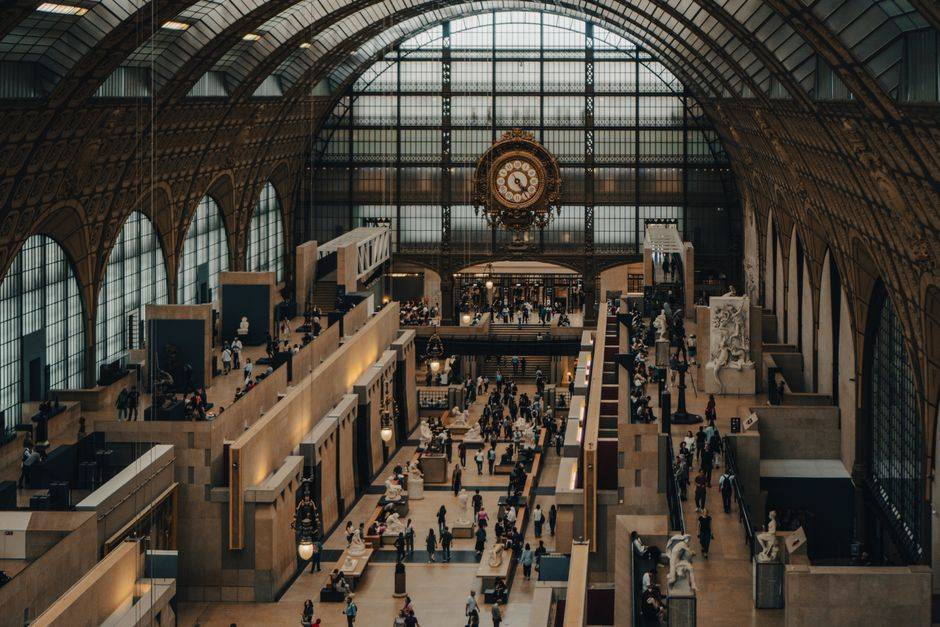
At the Orsay, the experience becomes more concentrated and visually coherent. The museum’s setting, inside a former railway station, already gives it a distinctive character, and the collection is exceptional. Monet, Renoir, Degas, Van Gogh, and many others are represented at a very high level. A private guide can adjust the emphasis depending on your interests, whether you prefer the development of Impressionism, the history of the artists, or simply the most iconic paintings.
Smaller private groups are especially effective here because they allow more flexibility. If a particular painting interests you, there is time to stay with it. If you want to move faster through a section, the guide can adapt. That level of responsiveness is difficult to achieve in a standard group tour, where the pace is usually fixed in advance.
Smaller Museums, Greater Intimacy
Not every memorable museum visit needs to begin before sunrise. Some of Paris’s smaller museums are already intimate enough that a private tour feels more relaxed rather than dramatically exclusive. These institutions often reward slower attention because their collections are more focused and their spaces less overwhelming.
The Musée Rodin is a strong example. It offers a very different rhythm from the city’s larger institutions. The museum combines sculpture, personal history, and gardens in a way that feels calm and reflective. Private tours here are particularly effective because they allow visitors to understand Rodin’s work not just as isolated sculptures, but as part of a broader artistic life. The Hôtel Biron mansion adds elegance to the visit, while the gardens create a setting where the sculptures can be seen in changing light and open air.
Those gardens are one of the museum’s real highlights. On a clear morning, the play of shadow and sunlight across the sculptures gives the place a very special atmosphere. A rushed visit tends to miss that entirely. With a private guide and enough time, the outdoor sections become as meaningful as the indoor ones.
The Musée de l’Orangerie offers another kind of experience altogether. Its purpose-built oval rooms make Monet’s Water Lilies feel immersive and enveloping. This is not a museum that needs to be rushed. The collection is compact, but the emotional effect is powerful. Even without a formal skip-the-line arrangement, timed entry and private guiding can still make the visit feel calm and deliberate. Weekday mornings are usually the best time to go if you want a quieter atmosphere.
Why It Feels Better
Private and early-access visits are not only about convenience. They also change the emotional quality of the day. Art requires attention, and attention is hard to sustain in crowded spaces. When you are constantly moving, waiting, or avoiding other visitors, part of your mental energy is spent simply managing the environment rather than absorbing what is in front of you.
That is why early access can be so valuable for serious travelers. You are not just checking off a landmark. You are creating the conditions for a real encounter with the art. Standing in front of a masterpiece in near silence makes it easier to notice details, understand scale, and appreciate why the work matters. A private guide can deepen that experience further by adjusting the commentary to your level of knowledge and your specific interests.
This is especially useful for mixed-knowledge groups. One traveler may want historical context, while another cares more about technique or symbolism. A good private guide can shift the emphasis without losing the flow of the visit. That flexibility is one of the most underrated advantages of these experiences.
A reserved entry can avoid the ticket-purchase queue, but security and access checks still apply. A private guide can help you choose a focused route; it does not control how many other visitors are in each gallery. Allow a margin instead of promising a queue-free visit.
Choosing the Right Option
The best option depends on your priorities. If you want the most iconic experience possible, early access at the Louvre is a strong choice. If you care about grandeur and historical spectacle, Versailles is hard to beat. If you prefer a more balanced art day, combining the Louvre and the Orsay works beautifully. And if you want something quieter and more contemplative, the smaller museums may actually suit you better.
Compare like with like when budgeting. A first-entry group tour, a dedicated private guide and a museum-authorized out-of-hours event are different products with different costs. Get a dated written quote stating admissions, guiding, transport, group size and cancellation terms rather than using one generic per-person range.
In the end, these experiences are about more than access. They are about changing the shape of the visit. Instead of feeling like you are competing for space, you get the museum at its best: calm, spacious, and ready to be seen properly. For travelers who care about quality, that difference is often worth every euro.
Keep exploring: castles near Paris that rival Versailles · 15 hidden gems most tourists miss · Plan your Paris trip with a local
Get our free Insider Paris Guide: the neighborhoods, restaurants and hidden corners we send our own clients. No tourist traps, no filler.
Get the free guide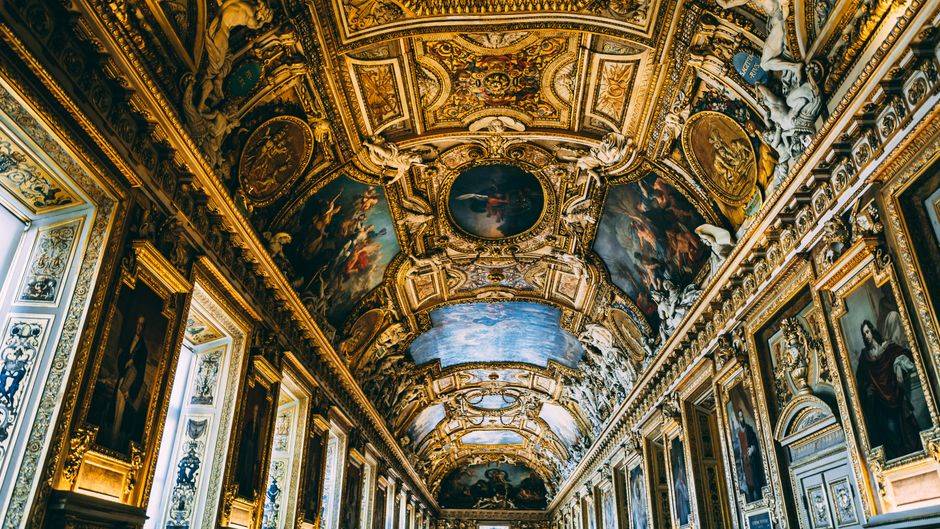
Ready to experience Paris for yourself? Plan Your Paris Trip with Chic Trip - a custom route, coordinated bookings and one accountable planner.
Planning your own Paris trip? Estimate your budget with the free Paris trip cost calculator, find out how many days you need in Paris, check when to book everything in Paris, or build a day-by-day plan with the Paris itinerary planner.
About Chic Trip
A journey designed exclusively for you: a personal itinerary, restaurant recommendations refined with your feedback, approved reservations and practical details in the Chic Trip app. Your written proposal confirms the total, inclusions and booking conditions before you commit. Start with a free call or email; no payment or price acceptance is required to enquire.