The Historic Theatres of Paris
Culture 7 min read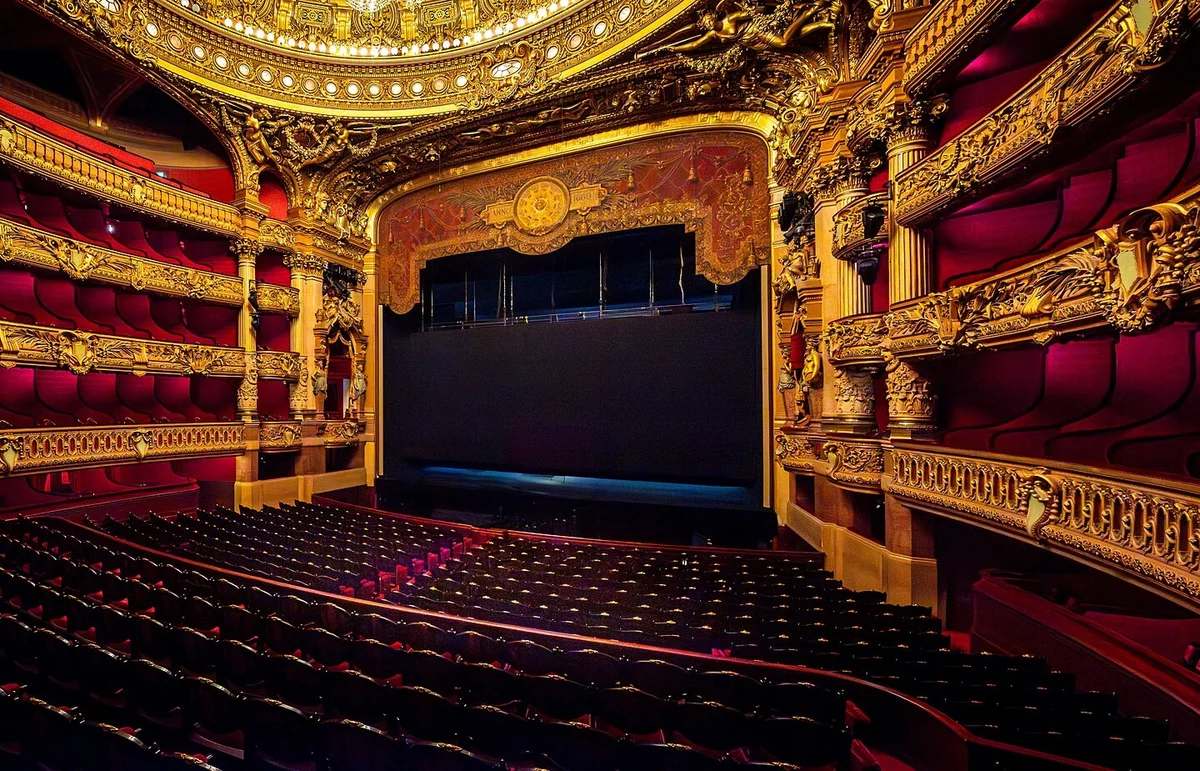
Quick answer
Discover Paris's most iconic theatres, from the 1680 Comédie-Française to Art Deco masterpieces. Explore centuries of cultural heritage and architectural splendor.
Theatre in Paris isn't entertainment—it's archaeology. The buildings themselves bear scars: fires that consumed entire companies, riots that redefined art, bankruptcies that shifted power from monarchs to impresarios. What survives across the city isn't just architecture but evidence of how France used stages to negotiate identity, class, and political upheaval. From Louis XIV's royal decree establishing the world's oldest active troupe to the 1913 premiere that sparked a near-brawl over polyrhythmic ballet, Parisian theatres functioned as laboratories where aesthetic arguments became physical confrontations. Americans raised on Broadway's commercial polish walk into these spaces and discover something rawer—institutions where playwrights were imprisoned for their scripts, where chandeliers killed audience members, where revolution literally interrupted opening night.
Comédie-Française: The House Molière Built
1 Place Colette, 75001 Paris
Louis XIV founded the Comédie-Française in 1680 by royal decree, merging rival troupes to create a state-controlled theatrical monopoly. It's the oldest continuously operating theatre company on earth, and its structure—a rotating repertory system where actors share profits and vote on artistic decisions—hasn't fundamentally changed in 346 years. The current Salle Richelieu houses a collection most museums would envy: portraits of every major French playwright since the 17th century, Molière's actual armchair (in which he collapsed during a 1673 performance and died hours later), and costumes worn by actors whose names Europeans once recognized on sight.
The company's continuity is almost eerie. They still perform Racine, Corneille, and Molière in alternating programs, maintaining a living archive of French classical theatre that predates the Revolution, survived Napoleon, and absorbed two World Wars without missing a season. More than a thousand playwrights and nearly three thousand plays comprise the official repertoire—everything deemed worthy of preservation by a nation that treats dramatic literature as patrimony. Visiting feels less like attending a show and more like witnessing an unbroken conversation spanning centuries, performed in a language Americans studied in high school and barely remember.
For the Comédie-Française, choose the performance first and confirm the exact theatre on the ticket. The 2026 works at Salle Richelieu led to performances across partner venues; use the current season calendar rather than assuming every production is at Palais-Royal.
Palais Garnier: Napoleon's Excess Made Stone
Place de l'Opéra, 75009 Paris
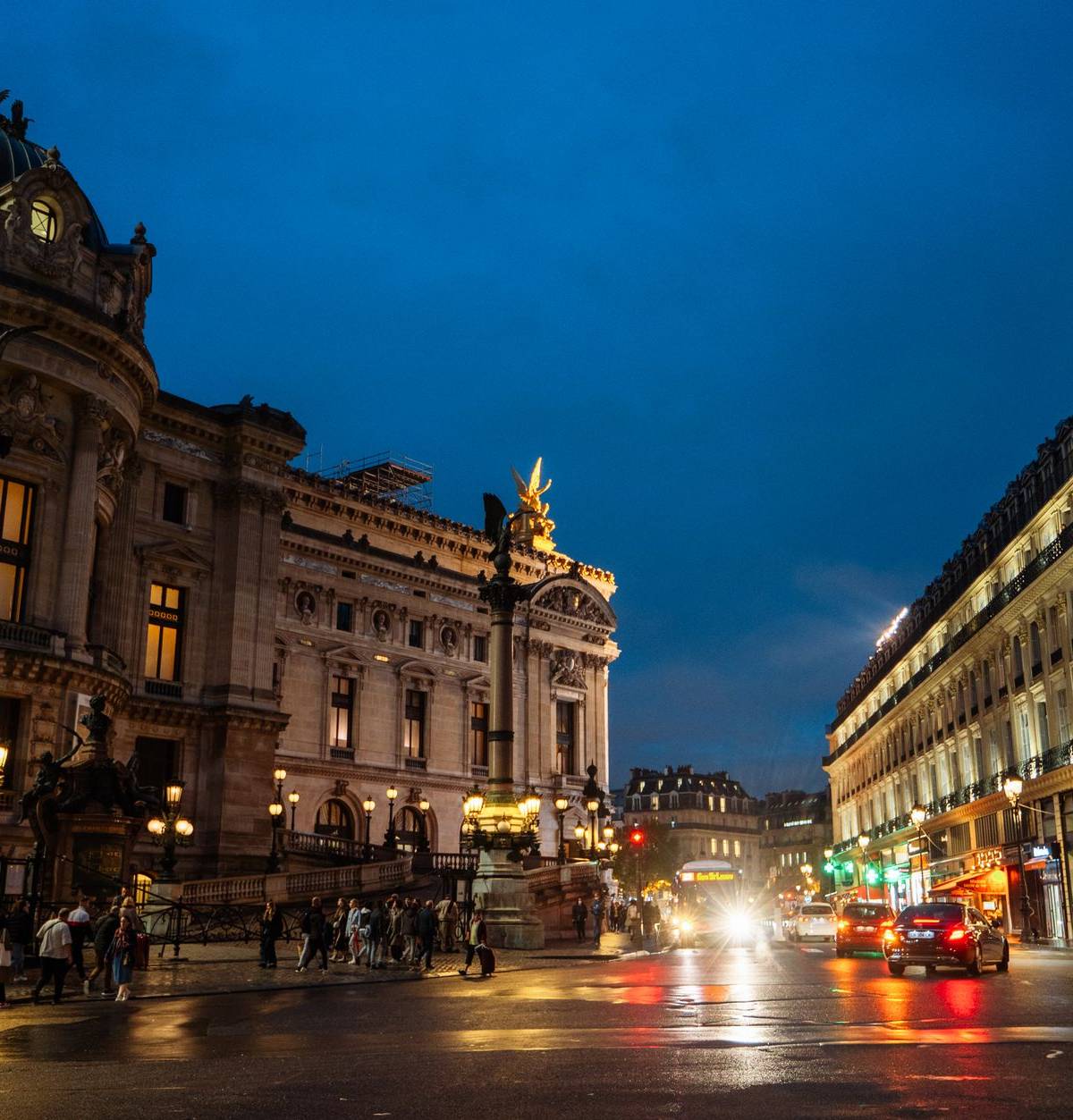
Napoleon III commissioned the Palais Garnier in 1860 after an assassination attempt outside the old opera house on Rue Le Peletier convinced him he needed better security and grander spectacle. A contest drew 171 applicants; Charles Garnier, a then-unknown 35-year-old architect, won with designs so opulent that when Empress Eugénie asked what architectural style he'd chosen, Garnier reportedly replied: "Napoleon III style, Madame". Construction consumed fourteen years and bankrupted multiple budgets. The façade debuted in 1867, but the full building didn't open until 1875—after the Empire had already fallen.
The result is architectural delirium: a Grand Staircase in white marble flanked by onyx balustrades, a ceiling painted by Marc Chagall in 1964 (controversially replacing the original), and a seven-ton bronze-and-crystal chandelier that famously crashed during an 1896 performance, killing one audience member and inspiring Gaston Leroux's Phantom of the Opera. The building contains elements from every previous historical style—Baroque columns, Renaissance sculpture, Greek pediments—synthesized into something uniquely Second Empire: extravagant, confident, and faintly ridiculous. It's the built equivalent of wearing every piece of jewelry you own simultaneously, and somehow it works.
Chic Tip: Skip the evening performances (crowded, expensive) and book a daytime self-guided tour—you'll have the Grand Foyer and Staircase nearly to yourself, with better light for photos and time to study Garnier's obsessive decorative details.
Théâtre de l'Odéon: Marie Antoinette's Doomed Commission
Place de l'Odéon, 75006 Paris
Marie Antoinette ordered construction of the Théâtre de l'Odéon in 1782, intending it as a home for French classical tragedy. Architect Marie-Joseph Peyre designed a neoclassical temple with a columned portico facing what would become one of Paris's most elegant squares. It opened that same year, just seven years before the Revolution that would cost the queen her head—timing that lends the building an accidental poignancy. Fire consumed it in 1799, then again in 1818, each time rebuilt to nearly identical specifications, as if the city refused to let the design die.
Today it operates as the Théâtre de l'Europe, programming international works and hosting visiting companies from across the continent. The interior maintains its 18th-century proportions—intimate sightlines, minimal decoration compared to Garnier's excess, an emphasis on the stage rather than the audience's self-regard. It's theatre as Marie Antoinette imagined it before revolution made spectacle suspect: refined, rational, and dedicated to dramatic art rather than social performance. The neighborhood around it—Place de l'Odéon with its cafés and bookshops—still feels like the intellectual quarter the queen hoped to cultivate.
Chic Tip: Explore the surrounding streets (Rue de l'Odéon, Rue Monsieur-le-Prince) lined with antiquarian bookshops and publishing houses, many of which opened in the theatre's wake and remain family-run centuries later.
Opéra-Comique (Salle Favart): The House That Kept Burning
Place Boieldieu, 75002 Paris
Founded during Louis XIV's reign, the Opéra-Comique specialized in lighter fare than its grander sibling—operas with spoken dialogue, accessible melodies, and plots ordinary Parisians could follow. In 1762 it merged with the Comédie-Italienne and moved to the Hôtel de Bourgogne; by 1783 it occupied its first purpose-built home, the original Salle Favart, inaugurated in the presence of Marie Antoinette. Fire destroyed it in 1838. The second Salle Favart opened in 1840 and became legendary—Bizet's Carmen premiered here in 1875, along with works by Massenet and Offenbach that defined French operatic style for a generation. Then it burned again in 1887, killing scores of people trapped by inadequate exits.
The third Salle Favart, completed in 1898 by architect Louis Bernier, still stands—a neo-Baroque jewel designed with obsessive attention to fire safety after the previous disasters. It's smaller than Garnier, more ornate than the Odéon, and maintains a repertoire focused on the opéra-comique tradition: Ravel, Poulenc, contemporary commissions that treat voice and dialogue as equals. The building's history of catastrophic fires lends performances an edge—you're watching art in a space rebuilt from literal ashes, where institutional memory includes death tolls.
Chic Tip: The Opéra-Comique offers affordable last-minute tickets (€10-25) for under-30s and students; arrive ninety minutes before curtain and queue at the box office for discounted orchestra seats often left unsold.
Théâtre des Champs-Élysées: Where Modernism Started a Riot
15 Avenue Montaigne, 75008 Paris
Gabriel Astruc, an entertainment impresario with more vision than capital, commissioned the Théâtre des Champs-Élysées in 1911 with a radical concept: Paris's first theatre built entirely of reinforced concrete, designed by Auguste and Gustave Perret following a scheme by Henry van de Velde. It opened in 1913 as the city's first Art Deco building, all clean lines and geometric bas-reliefs by sculptor Antoine Bourdelle—modernism made physical. Less than two months after inauguration, the Ballets Russes premiered Stravinsky's Rite of Spring here. The audience, expecting conventional ballet, instead witnessed pagan fertility rites set to polyrhythmic chaos. A near-riot erupted—fistfights in the aisles, aristocrats shouting insults, the orchestra barely audible over the uproar. It became the most famous classical music scandal in history, the moment modernism announced it didn't care what 19th-century taste expected.
Astruc went bankrupt before year's end. The theatre changed hands repeatedly, survived World War I dormant, and eventually found stability under new management in the late 1920s. It remains stubbornly eclectic—opera, orchestral concerts, recitals, contemporary dance—programmed with the same restless ambition Astruc intended.
Chic Tip: The building's Bourdelle bas-reliefs are best viewed in late afternoon light from across Avenue Montaigne; they depict Apollo and the Muses in stylized Art Deco forms that influenced a generation of French sculptors.
Chic Trip builds theatre into Paris itineraries not as tourist obligation but as historical immersion—booking shows with English surtitles, timing visits around renovations and special exhibitions, ensuring you're not just seeing buildings but experiencing institutions that shaped how Europe thinks about performance.
Keep exploring: Emily in Paris filming locations · Disneyland Paris vs Parc Asterix · Plan your Paris trip with a local
Get our free Insider Paris Guide: the neighborhoods, restaurants and hidden corners we send our own clients. No tourist traps, no filler.
Get the free guide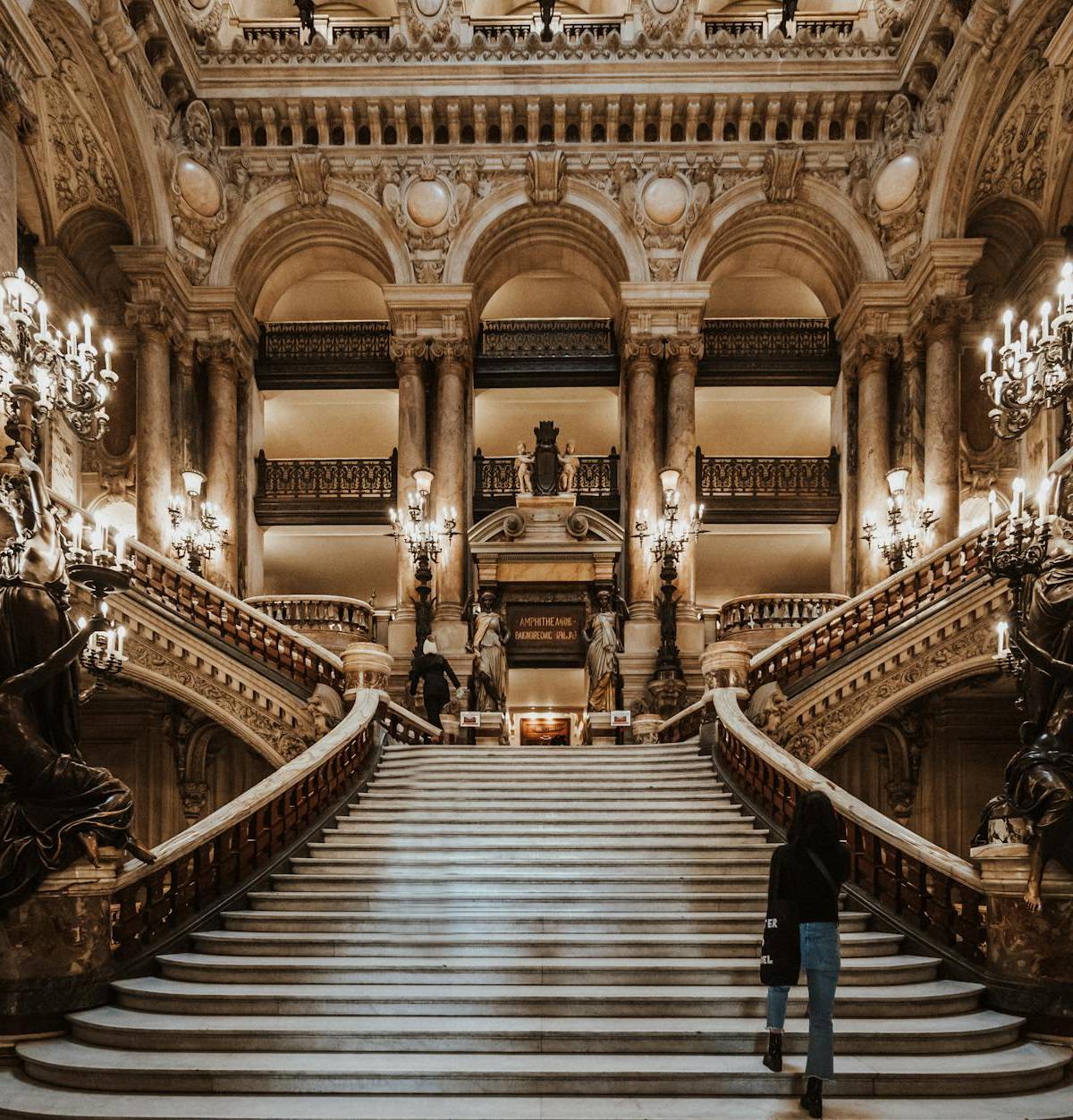
Ready to experience Paris for yourself? Plan Your Paris Trip with Chic Trip - a custom route, coordinated bookings and one accountable planner.
Planning your own Paris trip? Estimate your budget with the free Paris trip cost calculator, find out how many days you need in Paris, check when to book everything in Paris, or build a day-by-day plan with the Paris itinerary planner.
About Chic Trip
Chic Trip is a Paris-based trip planning and booking concierge for American travelers. Founder Frederic Canesso and his Paris team design day-by-day itineraries and coordinate restaurant tables, official timed entries, tours and airport transfers. The planning fee depends on trip length and group size. Restaurant reservations and official tickets are at face price, hotels at public rates, and tours and transfers at clear package prices quoted upfront. Tell us about this trip or read our traveler reviews and feedback.