The Wine Cellar: Private Tastings with Sommeliers in Historic Caves
Food & Wine 10 min read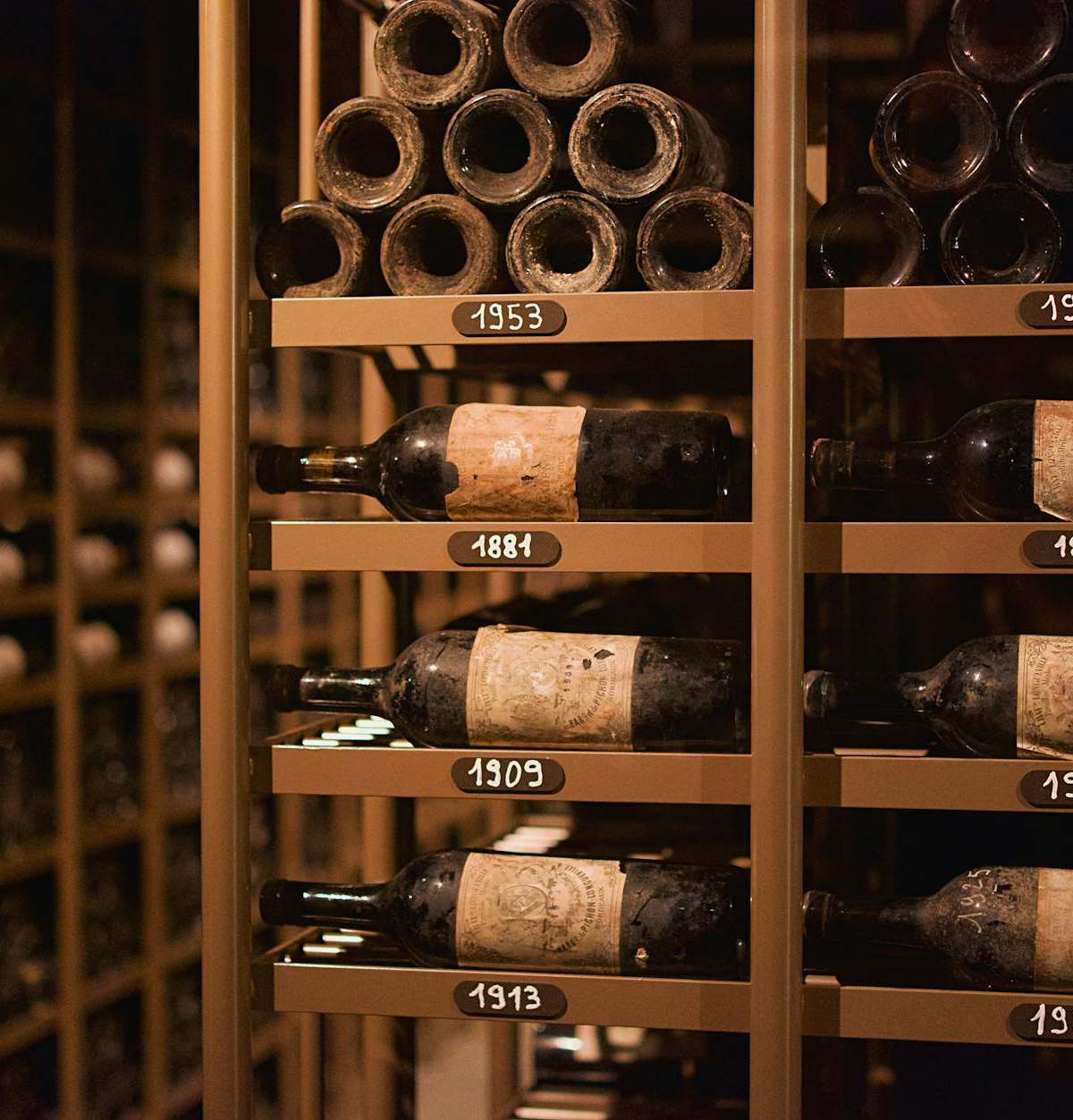
Quick answer
Descend into Paris's historic underground cellars for exclusive sommelier-led wine tastings amid 300,000 bottles. From royal Caves du Louvre to sensory workshops, savor luxury wine education in 18t...
Paris has always had a second city beneath its streets. Under elegant mansions, old merchant houses, and some of the capital’s most famous restaurants, there is a hidden world of vaulted cellars, stone staircases, iron gates, and carefully controlled temperatures. These spaces were never designed to impress visitors. For centuries, they existed for one purpose only: to store wine in the right conditions for aging.
That practical function is exactly what makes them so fascinating today. In a city that often celebrates wine in restaurants, bars, and tasting rooms above ground, these underground cellars offer something more atmospheric. They are cool, quiet, and deeply tied to the history of Paris itself. Some are linked to royal courts, others to legendary wine merchants, and a few belong to restaurants whose cellars are now almost as famous as their dining rooms.
Until recently, most of these places were off-limits to the public. They were working spaces, not attractions. But that has begun to change. Several historic cellars now open for guided tastings, private experiences, and wine classes led by sommeliers who understand that the setting matters as much as the wine. For travelers who care about wine culture, these underground visits offer something very different from a standard tasting room. They turn wine education into an experience of place, memory, and architecture.
Caves du Louvre
Among Paris’s cellar experiences, Caves du Louvre is one of the best known and one of the most accessible. Located at 52 rue de l’Arbre Sec, the cellars sit beneath an 18th-century building that once supplied wine to the court of Louis XV. The underground network was built by André Eynaud, the king’s wine merchant, and later occupied by Jacques-François Trudon, heir to the royal wax factories. That kind of history gives the space an immediate sense of depth before the tasting even begins.
The cellars themselves are impressive. They are authentic stone vaults, cool and atmospheric, with the sort of natural temperature and humidity that wine storage has always required. Walking through them, it is easy to understand why these spaces were preserved for so long. They are not decorative replicas. They are original working cellars, now adapted into an immersive tasting venue spread across several levels.
What makes Caves du Louvre especially appealing is the way it combines history with education. Visitors are not simply handed a glass and left to guess at the differences between wines. Instead, expert sommeliers guide small groups through the basics of production, terroir, grape varieties, fermentation, and label reading. For beginners, that structure is reassuring. For more experienced travelers, the historical setting adds another layer of interest.
The venue is organized around several sensory rooms, each designed to engage a different aspect of the tasting experience. That format makes the visit feel more interactive than a conventional wine class. Depending on the option chosen, guests may taste three wines in the standard experience, or more in advanced workshops that include pairings and blending exercises. One of the more engaging options is the “Make Your Own Wine” workshop, where participants blend different grape varieties into a personal cuvée. It is hands-on without feeling gimmicky, and the cellar setting gives the whole experience a strong sense of authenticity.
Practical details are straightforward. Reservations are strongly recommended, and the spaces fill quickly, especially in peak travel periods. English and French sessions are available, and the location is easy to reach from the Louvre-Rivoli and Les Halles metro stations. There is also a shop on site for bottles tasted during the experience, which makes it easy to take home something memorable after the visit.
La Tour d’Argent
If Caves du Louvre is the accessible introduction, La Tour d’Argent is the grand statement. The legendary restaurant on Quai de la Tournelle has long been one of the most iconic names in Paris dining, but its cellar has only recently opened to guided visitors. That alone makes it remarkable. For the first time in its 440-year history, the cellar beneath the restaurant is no longer reserved solely for storage and service.
The scale is extraordinary. Beneath the restaurant lies roughly 12,000 square feet of climate-controlled vaults holding nearly 300,000 bottles from around 14,000 different wines. That is not simply a large cellar. It is one of the most serious wine collections in the city, and possibly in the world. Some of the bottles date back centuries, though the real significance of the collection lies in the depth, continuity, and precision of its preservation.
La Tour d’Argent has also been shaped by history in ways that go well beyond wine. During the Nazi occupation, the restaurant’s owner Claude Terrail reportedly took great risks to protect the cellar’s most precious bottles. Secret walls were built to conceal the collection from confiscation, and those hidden chambers still form part of the story told during visits. That wartime history gives the cellar a dramatic edge that few wine spaces can match.
Recent renovation work has only strengthened the experience. Climate systems were completely re-engineered to keep the temperature stable year-round, which is essential when a cellar is expected to protect bottles that may not be opened for decades. The result is a space that feels both historic and highly controlled, where old stone and modern technology work together to preserve one of Paris’s great wine legacies.
Tours here are more exclusive and more mysterious than at many other venues. The programming is deliberately discreet, and reservations are usually tied to the restaurant itself. This is not the kind of cellar visit you stumble into casually. It is a more serious experience, suited to collectors, committed wine lovers, and travelers who are willing to pair the visit with one of Paris’s most expensive dining reservations.
Caves Legrand
For a different kind of wine experience, Caves Legrand offers a combination of history, education, and conviviality in one of the city’s most beautiful settings. Located inside Galerie Vivienne in the 2nd arrondissement, the merchant has been operating since the late 19th century. The passage itself is already a destination, with its mosaic floors, glass roof, and old-world elegance. That architectural setting gives the tasting program a sense of occasion before a single glass is poured.
Caves Legrand is not only a wine merchant but also a wine school. Its educational program, the École du Vin, offers workshops on a range of themes: tasting fundamentals, blind tasting, white wine and cheese pairings, Bordeaux, Burgundy, and great wines of France. The format is designed to make wine less intimidating and more approachable, which is one of the reasons it appeals to both beginners and repeat visitors.
The courses tend to be informal in the best sense. Rather than feeling academic or rigid, they are led by sommeliers who know how to make the subject engaging. Guests often describe the atmosphere as warm and lively, with enough structure to learn something useful but enough flexibility to keep the session relaxed. That balance matters, especially for people who want to deepen their understanding without feeling like they are sitting through a lecture.
The adjacent Table des Caves restaurant adds another dimension. Dining among the bottles, with access to both current selections and old vintages reserved for on-site tasting, makes the entire place feel like a living wine library. The kitchen changes its menu regularly, which keeps the experience tied to the seasons rather than fixed around a single formula. For travelers who like the idea of learning about wine and then sitting down to eat in the same environment, Legrand is one of the most appealing options in Paris.
Private Cellar Tastings
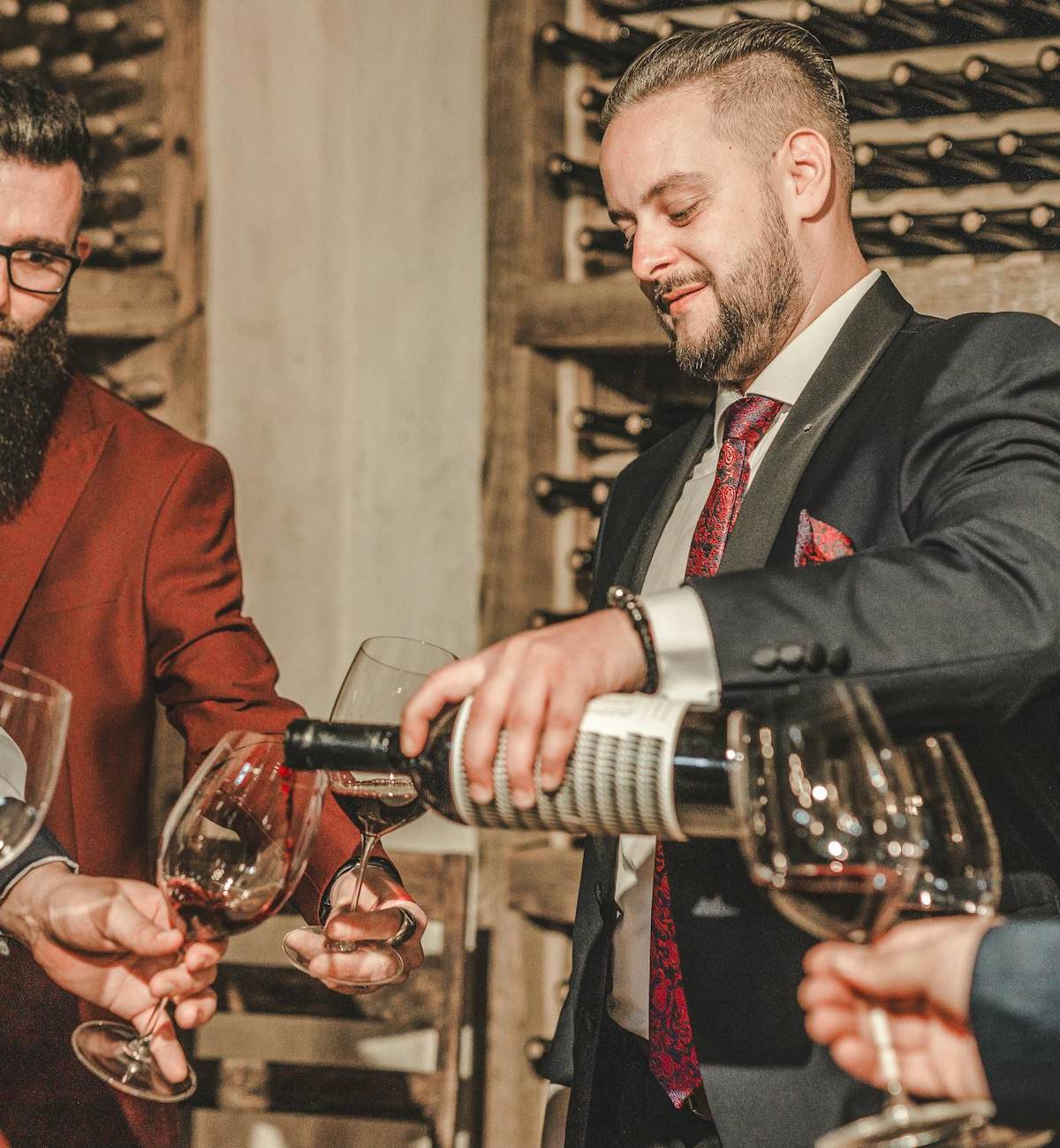
Beyond the established venues, Paris also offers a number of private cellar tastings for visitors who want something more intimate. These are often arranged through wine merchants or specialist operators and are usually led by sommeliers who tailor the experience to the group’s preferences. Instead of following a fixed program, the tasting can focus on the styles, regions, or food pairings that matter most to the guests.
This flexibility is what makes private tastings especially attractive for special occasions. They work well for anniversaries, proposals, birthdays, or simply for travelers who want to avoid larger group formats. Some operators, including respected merchants such as Caves de Taillevent, can arrange tastings at their own facilities or at a private location chosen by the client. That means the experience can be as formal or as relaxed as needed.
The wines presented in these tastings are usually selected with care, often with four bottles or more chosen around a theme or guest profile. The goal is not to overwhelm participants with quantity but to create a focused conversation around style, provenance, and taste. For serious collectors, this can be much more rewarding than a standard tasting because the session can go deeper into the technical and historical side of wine.
Naturally, private sessions cost more than group tastings. But they also provide complete control over pacing and focus, which is exactly what many luxury travelers want. In a city like Paris, where so many experiences can feel rushed or crowded, that kind of personal attention has real value.
Why Cellars Matter
What makes Paris’s wine cellars so compelling is not just the wine itself. It is the way the physical space changes the meaning of the tasting. Wine depends on temperature, humidity, darkness, and stillness. The old cellars beneath Paris streets were built to provide exactly those conditions long before modern storage systems existed. That practicality is part of their beauty.
There is also a cultural dimension. French wine is often discussed in terms of regions, grape varieties, and classifications, but the cellar reminds you that wine is also a matter of place. The architecture, the stone, the age of the vaults, the inherited systems of storage and service — all of that is part of the story. Tasting underground in Paris connects that story to the city’s own history of commerce, hospitality, and preservation.
In that sense, the setting becomes part of the lesson. A sommelier explaining terroir inside an 18th-century vault is not just being theatrical. The environment reinforces the subject. You understand more clearly why wine culture in France has such depth, and why some bottles are treated as both inventory and heritage. The cellar gives the wine a context that a modern tasting room simply cannot match.
Choosing the Right Experience
The best cellar experience depends on what kind of traveler you are. If you want an accessible and well-designed introduction, Caves du Louvre is an excellent place to start. If you are interested in legacy, exclusivity, and the highest level of wine culture, La Tour d’Argent is exceptional. If you prefer a more educational and sociable format, Caves Legrand offers a very strong balance of learning and atmosphere. And if privacy matters most, a custom cellar tasting may be the right fit.
Budget is also an important factor. Some experiences are relatively affordable and short, while others are clearly positioned at the luxury end of the market. But regardless of price point, the underlying appeal is the same: a chance to experience wine in the place where it belongs most naturally, surrounded by history, stone, and silence.
For travelers who care about wine, these cellars offer more than a tasting. They offer access to a side of Paris that most visitors never see. Beneath the streets, the city keeps its wine in the dark, waiting for those who know where to descend.
Keep exploring: the 10 best restaurants in Paris · a romantic Paris guide for couples · Plan your Paris trip with a local
Get our free Insider Paris Guide: the neighborhoods, restaurants and hidden corners we send our own clients. No tourist traps, no filler.
Get the free guide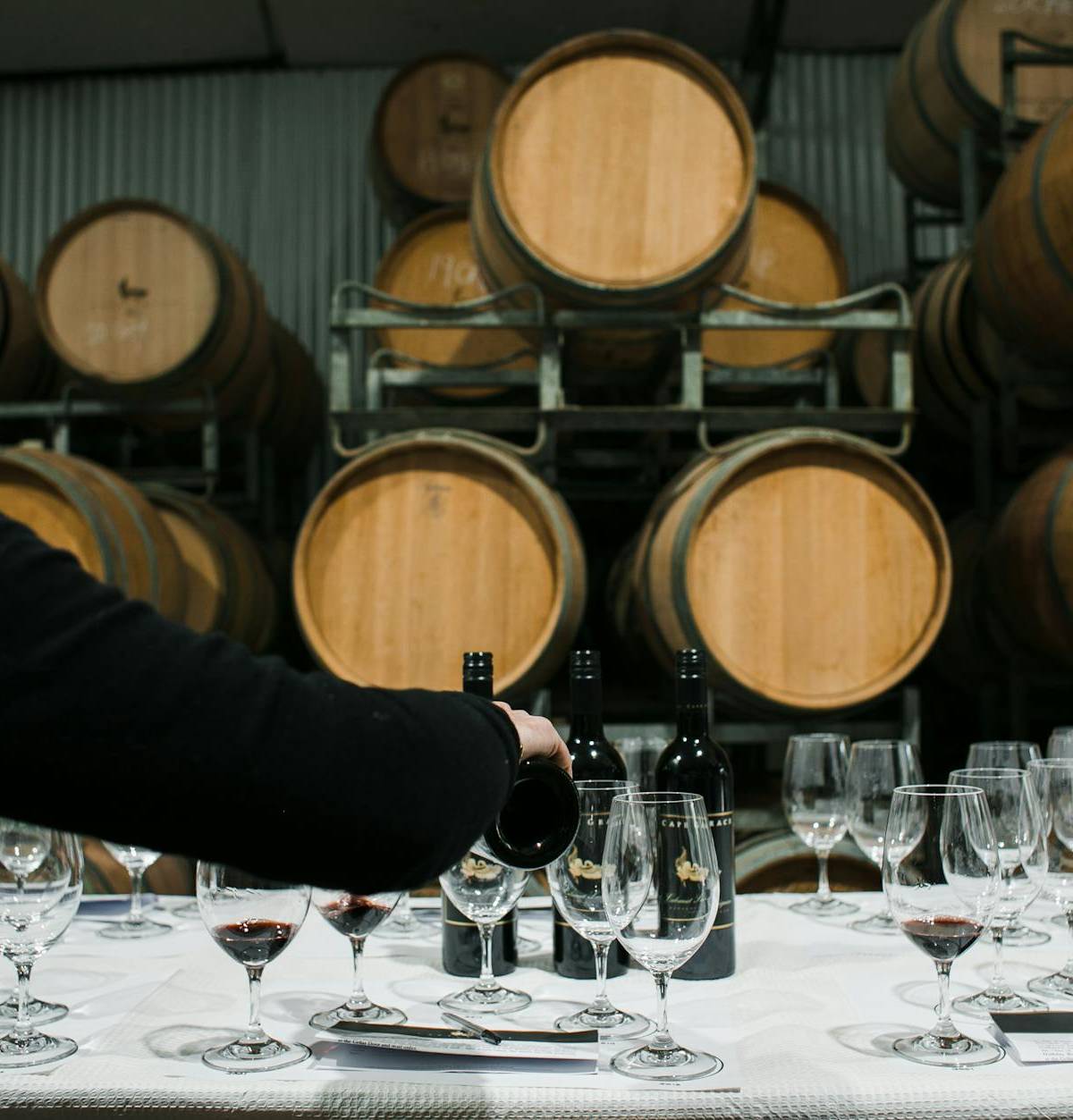
Ready to experience Paris for yourself? Plan Your Paris Trip with Chic Trip - a custom route, coordinated bookings and one accountable planner.
Planning your own Paris trip? Estimate your budget with the free Paris trip cost calculator, find out how many days you need in Paris, check when to book everything in Paris, or build a day-by-day plan with the Paris itinerary planner.
About Chic Trip
A journey designed exclusively for you: a personal itinerary, restaurant recommendations refined with your feedback, approved reservations and practical details in the Chic Trip app. Your written proposal confirms the total, inclusions and booking conditions before you commit. Start with a free call or email; no payment or price acceptance is required to enquire.