Royal Retreats: Castles within an Hour of Paris that Rival Versailles
Sightseeing 11 min read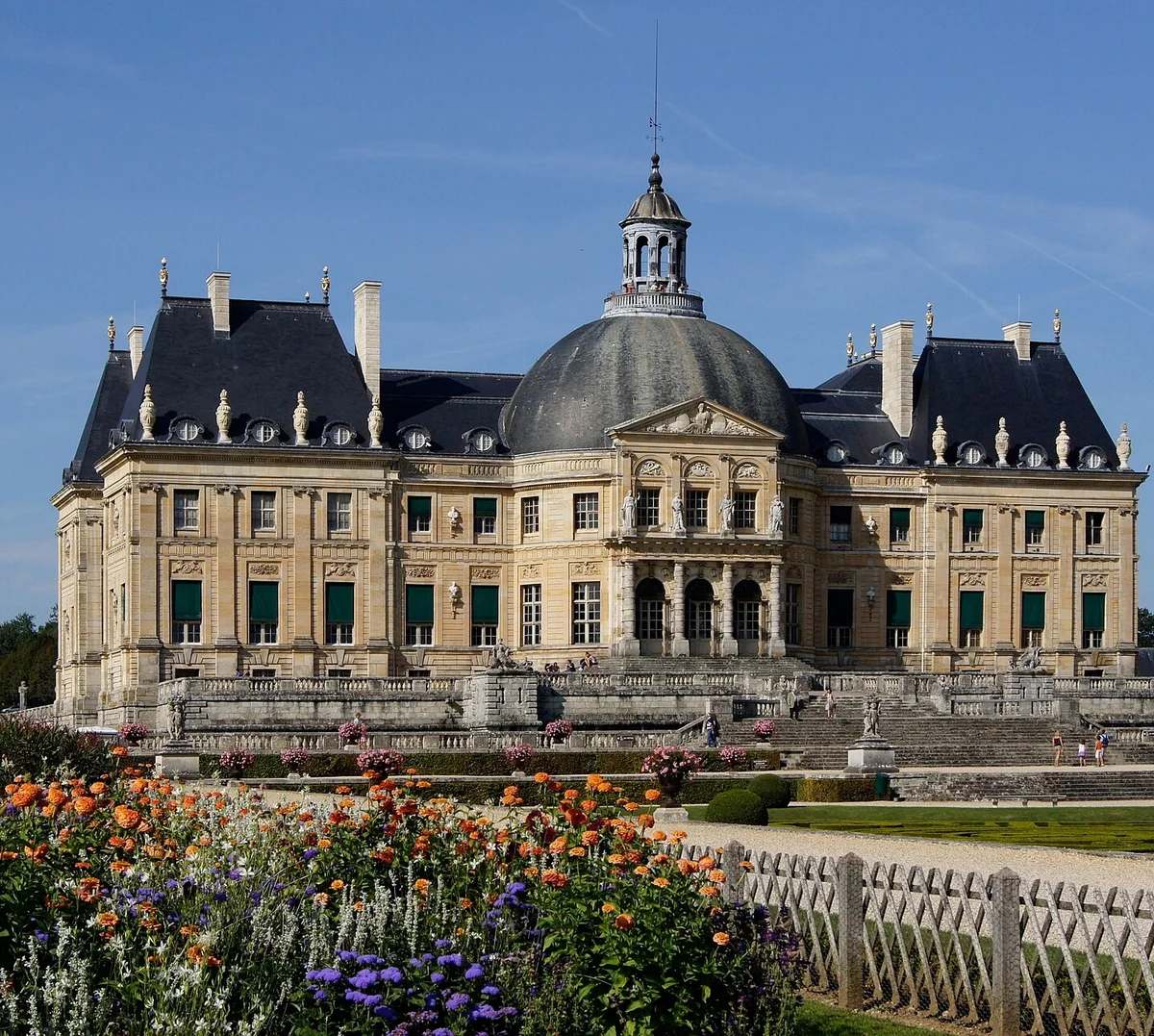
Quick answer
Escape Versailles crowds with royal retreats like Vaux-le-Vicomte, just 35 minutes from Paris. Discover opulent châteaux where French history unfolds in serene luxury.
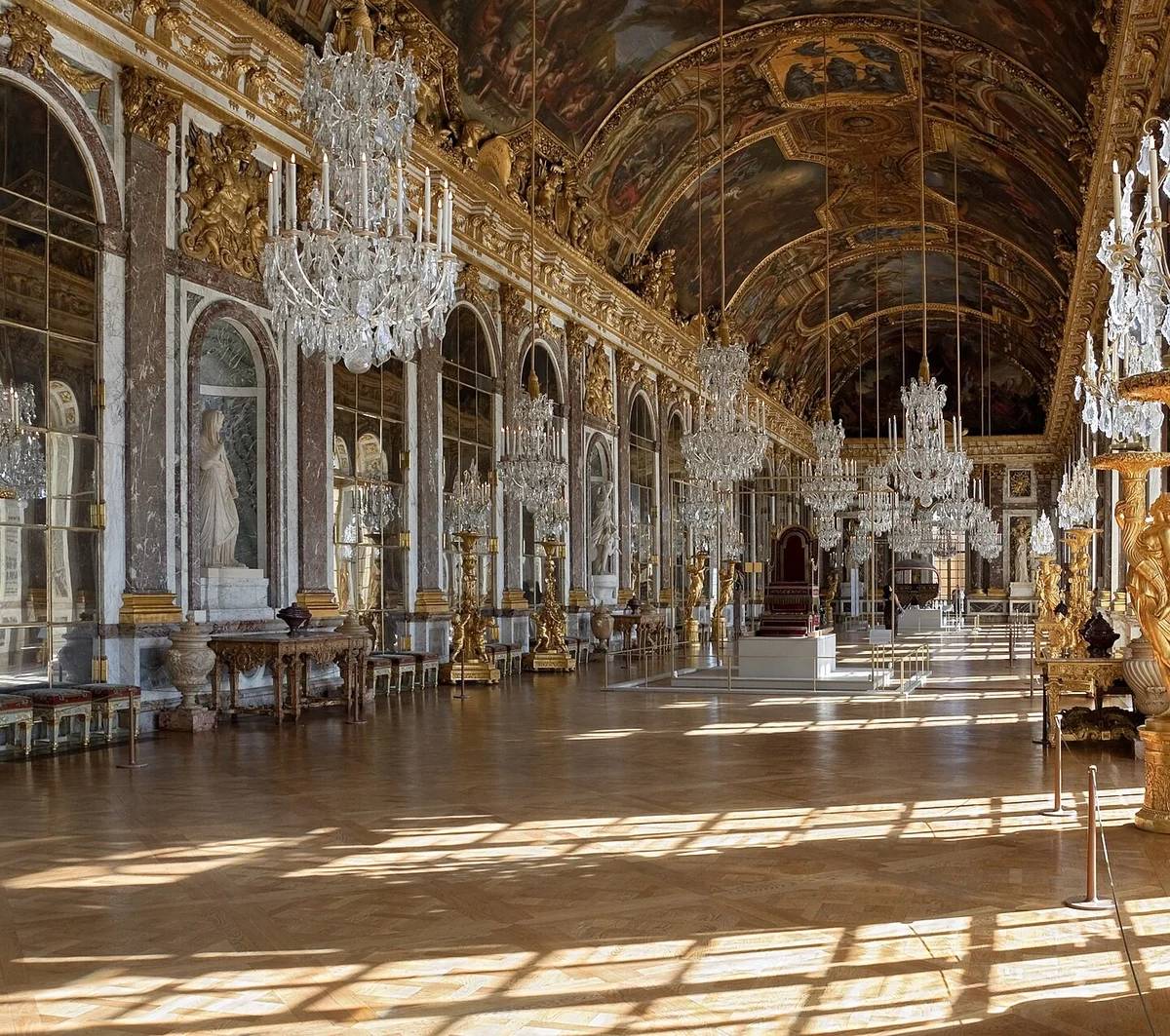
Versailles overwhelms. Three million visitors annually clog its halls, queue for bathrooms, photograph the Hall of Mirrors from identical angles while tour guides shout over each other in fifteen languages. It's magnificent and worth seeing, but it's also exhausting in ways that have nothing to do with the palace itself. Meanwhile, within an hour of Paris, other châteaux tell equally compelling stories with a fraction of the crowds—places where you can actually hear your thoughts, where the architecture speaks without competing against masses, where French royal history unfolds at human scale.
Vaux-le-Vicomte: The Castle That Built Versailles
Thirty-five minutes from Paris Gare de l'Est lies the château that made Louis XIV so jealous he imprisoned its owner and stole his entire creative team. In August 1661, Nicolas Fouquet—Louis XIV's finance minister and the wealthiest man in France—hosted a party at his newly completed château at Vaux-le-Vicomte. The entertainment featured a Molière play written specifically for the occasion, fireworks, fountains, a feast by Vatel (the era's most celebrated chef), all displayed against a backdrop of architectural and landscape perfection.
Louis XIV arrived expecting to impress Fouquet with royal presence. Instead, he confronted opulence exceeding anything he possessed. The château united three geniuses: architect Louis Le Vau, painter-decorator Charles Le Brun, and landscape architect André Le Nôtre—the first time such talents collaborated on a single project. The result was revolutionary: perfect symmetry between architecture and landscape, innovative use of perspective making gardens appear infinite, interiors so lavish they redefined what palatial meant.
Nineteen days after the party, Fouquet was arrested on charges of embezzlement. Louis XIV seized his team of artists and commanded them to create something even grander. That project became Versailles, using everything they'd learned at Vaux-le-Vicomte but scaled to imperial proportions.
Today, Vaux-le-Vicomte remains privately owned, operated by descendants of the industrialist Alfred Sommier who purchased and restored it in 1875. This family stewardship shows: the château is maintained with care that state-run palaces sometimes lack, its 1,500-room interior authentically furnished in 17th-century style rather than stripped bare or over-restored.
The gardens sprawl across 500 hectares, though the formal sections occupy "only" 33. Le Nôtre designed them to be viewed from the château's lantern dome, which visitors can climb for the panoramic perspective he intended. From there, the geometric precision becomes clear: parterres, fountains, reflecting pools, statuary all arranged along an axis extending toward a horizon he manipulated through elevation changes and forced perspective.
Spring through fall, candlelight evenings happen most Saturday nights—2,000 candles illuminating the gardens and château, fountains operating, a spectacle approximating what Fouquet's guests experienced minus the fatal consequences. Even without the candlelight, the intimacy relative to Versailles is the point. You can examine Le Brun's ceiling frescoes without crowds pressing behind you, sit in gardens without fighting for bench space, appreciate craftsmanship at your own pace.
Getting there requires the Châteaubus shuttle from Verneuil-l'Étang station, which runs weekends and some weekdays. Alternatively, organized tours from Paris handle transportation, though you sacrifice independence for convenience.
Insider Tip: The château operates a restaurant serving lunch in period-appropriate style. Book ahead if you want the full immersion—eating where Fouquet's guests dined completes the time travel more effectively than any museum placard.
Fontainebleau: Eight Centuries in 1,500 Rooms
Napoleon called it "the house of ages," recognizing that Fontainebleau absorbed eight centuries of French history within its walls. Unlike Versailles—essentially one king's vision executed over a few decades—Fontainebleau evolved continuously from the 12th century through the Second Empire, each monarch adding, renovating, leaving their architectural signature.
It began as a hunting lodge in the forest southeast of Paris. François I demolished most of the medieval structure in 1528, rebuilding in Renaissance style that introduced Italian influence to French architecture. Henri II continued the work. Henri IV expanded it. Louis XIII, Louis XIV, Louis XV, Louis XVI—each generation contributed. Napoleon made it his primary residence, abdicating on its iconic horseshoe staircase in 1814. Napoleon III undertook the last major renovations in the 1850s.
This accumulation created something architecturally incoherent but historically rich. The château contains medieval foundations, Renaissance galleries, classical apartments, 19th-century restoration—all coexisting without attempting harmonization. It's 1,500 rooms spread across courtyards and gardens, overwhelming in scale but intimate in feel.
The galleries display masterwork Italian frescoes commissioned by François I that introduced mannerism to France. Marie-Antoinette's Turkish boudoir preserves her taste for orientalism. Napoleon's throne room and private apartments remain furnished as he left them. The Trinity Chapel's ceiling is original Renaissance work. Each room represents a different era, style, monarch, making the château less unified monument than living historical document.
The gardens encompass 130 hectares: formal French parterres near the château, an English garden beyond, and the Canal designed by Henri IV that predates Versailles's more famous waterway. The Fontainebleau Forest surrounding everything spans 25,000 hectares—royal hunting grounds now open to hikers, climbers, horseback riders seeking wilderness twenty kilometers from medieval stonework.
Getting there takes 40 minutes from Gare de Lyon to Fontainebleau-Avon station, then 15 minutes via bus number 1. The château opens daily except Tuesdays, with reduced crowds on weekday mornings.
Insider Tip: Most visitors rush through to see the famous rooms, missing the subtlety. Budget three hours minimum. The Galerie de Diane—Napoleon's library extending 80 meters with a globe at each end—sees few tourists but captures the château's scale and elegance perfectly.
Chantilly: The Prince's Rival to Royalty
Twenty-five minutes from Gare du Nord sits the Château de Chantilly, owned not by kings but by the Prince de Condé, whose wealth and taste rivaled any monarch's. The current structure dates primarily to the 19th century when Henri d'Orléans, duc d'Aumale, inherited both the destroyed château and one of Europe's greatest fortunes. He rebuilt it, filled it with art second only to the Louvre's collection, then bequeathed everything to the Institut de France in 1884 with the stipulation that nothing ever be rearranged or loaned.
That frozen-in-time quality makes Chantilly extraordinary. The paintings remain hung exactly as the duc arranged them in the 1880s—floor to ceiling, salon style, ignoring modern curatorial principles about spacing and sightlines. You see Raphael's Three Graces, forty miniatures by Jean Fouquet illuminating medieval manuscripts, Poussin, Delacroix, hundreds of masterpieces displayed like personal collection rather than museum.
The library holds 13,000 volumes including The Very Rich Hours of the Duke of Berry—the most celebrated illuminated manuscript in existence, its calendar pages depicting medieval seasonal life in colors that haven't faded in 600 years. It's displayed in facsimile, the original too fragile for light exposure, but even the reproduction conveys the obsessive detail that makes medieval manuscripts time machines.
Beyond the château, the gardens sprawl across multiple styles: French formal parterres by Le Nôtre, an English garden with a rustic hamlet that inspired Marie-Antoinette's more famous version at Versailles, water features and statuary populating carefully orchestrated wilderness.
Then there's the Grandes Écuries—the stables—arguably more impressive than the château itself. Built in 1719 to house 240 horses and 500 hounds, the stables' architecture rivals religious buildings. Today they house the Living Museum of the Horse, presenting equestrian performances that demonstrate classical dressage and historical horse training techniques. These shows happen multiple times daily and are worth scheduling around.
The town of Chantilly itself contributes to the visit. A free shuttle runs from Chantilly-Gouvieux station, or the 30-minute walk passes through streets that justify the detour. The town gave its name to Chantilly cream—sweetened whipped cream allegedly invented here—which the château restaurant serves with desserts that make the caloric indulgence mandatory.
Insider Tip: The château operates a formal restaurant inside, but the Capitainerie café in the gardens serves excellent casual meals at fraction of the price. Eat lunch there, then walk the entire garden circuit, which takes two hours if you're not rushing.
Château de Vincennes: The Medieval Fortress Paris Forgot
Fifteen minutes from Châtelet on RER Line A, the Château de Vincennes rises like anachronism. Where other châteaux evolved into Renaissance palaces, Vincennes remained essentially medieval: moat, curtain walls, a 52-meter keep—the tallest in Europe—that's been standing since the 14th century.
This was the royal residence before Versailles, seat of French government from the 12th through 18th centuries. Charles V was born here. Henry V of England died here during the Hundred Years' War. Multiple French kings used it as primary residence before the court moved to the Loire, then back to Paris, then finally to Versailles.
After the royal court abandoned it, Vincennes became everything unpleasant: porcelain factory, arsenal, prison. The Marquis de Sade was imprisoned here. So was Mirabeau. Mata Hari was executed in the moat in 1917. During World War II, the Germans used it as arsenal, which the Resistance sabotaged in 1944, causing an explosion that damaged but didn't destroy the historic structures.
Today it's been restored and opened to public, operated by the Centre des Monuments Nationaux. The keep offers vertiginous views from its tower after climbing medieval stone stairs that weren't designed for modern safety standards. The Sainte-Chapelle—commissioned by Charles V as miniature version of the Paris original—displays 14th-century stained glass windows that survived because they were removed during wars and hidden.
What makes Vincennes compelling is precisely its lack of palatial splendor. This is fortress architecture: thick walls, small windows, spaces designed for defense rather than comfort. Walking through it conveys medieval reality more effectively than any Loire château prettified by Renaissance renovation.
The forest beyond—Bois de Vincennes—encompasses 995 hectares of parkland with lakes, botanical garden, zoo, and enough space that you can spend entire afternoons there without encountering crowds. Combine château visit with forest walk and you've created an excellent day without traveling beyond Zone 1 of the Navigo pass.
Insider Tip: The château sees minimal tourist traffic compared to other Paris-area options. Weekday visits often mean you'll have entire sections essentially to yourself, which makes the medieval atmosphere even more tangible.
Compiègne: Where Kings Played Commoner
An hour from Gare du Nord, Compiègne represents Louis XV and Louis XVI's escape from Versailles's stifling formality. Louis XIV famously declared: "At Versailles I am the King, at Fontainebleau a Prince, but at Compiègne I am a country man". This was where the royal family relaxed, hunted in the adjacent forest, hosted more intimate gatherings than Versailles's rigid etiquette allowed.
Napoleon I and Napoleon III both favored it, each adding their architectural contributions. Today the château functions as museum complex housing the Apartments, the Museum of the Second Empire, and the National Car Museum—one of France's finest automobile collections.
The apartments preserve Second Empire decoration that shows Napoleon III's taste for luxury lacking Louis XIV's restraint. It's ornate bordering on garish, which makes it fascinating—this is what happens when new money tries to replicate old aristocracy's opulence without the centuries of refinement.
The forest surrounding Compiègne spans 14,000 hectares—royal hunting grounds since Merovingian times, now offering hiking, cycling, and the particular pleasure of walking where kings once chased deer through ancient trees.
Insider Tip: Compiègne receives so few tourists that guidebooks barely mention it. This makes it ideal for anyone suffering Versailles fatigue—you get royal apartments and gardens without crowds, plus that car museum if you're into automotive history.
These châteaux share Versailles's pedigree without its overwhelming crowds. They're where you understand that French royal history wasn't singular but plural—multiple courts, competing aesthetics, centuries of architectural evolution playing out across landscapes within easy reach of Paris. Visiting requires planning: train schedules, bus connections, opening hours that vary seasonally. But that planning rewards you with the rare pleasure of standing in historically significant spaces without fighting crowds for the experience. We map these logistics because the best château visits require knowing which days offer shuttle service, when to arrive for optimal light in gardens, which secondary features justify extra time. If that matters, we're here.
Keep exploring: Disneyland Paris vs Parc Asterix · 15 hidden gems in Paris · Plan your Paris trip with a local
Get our free Insider Paris Guide: the neighborhoods, restaurants and hidden corners we send our own clients. No tourist traps, no filler.
Get the free guide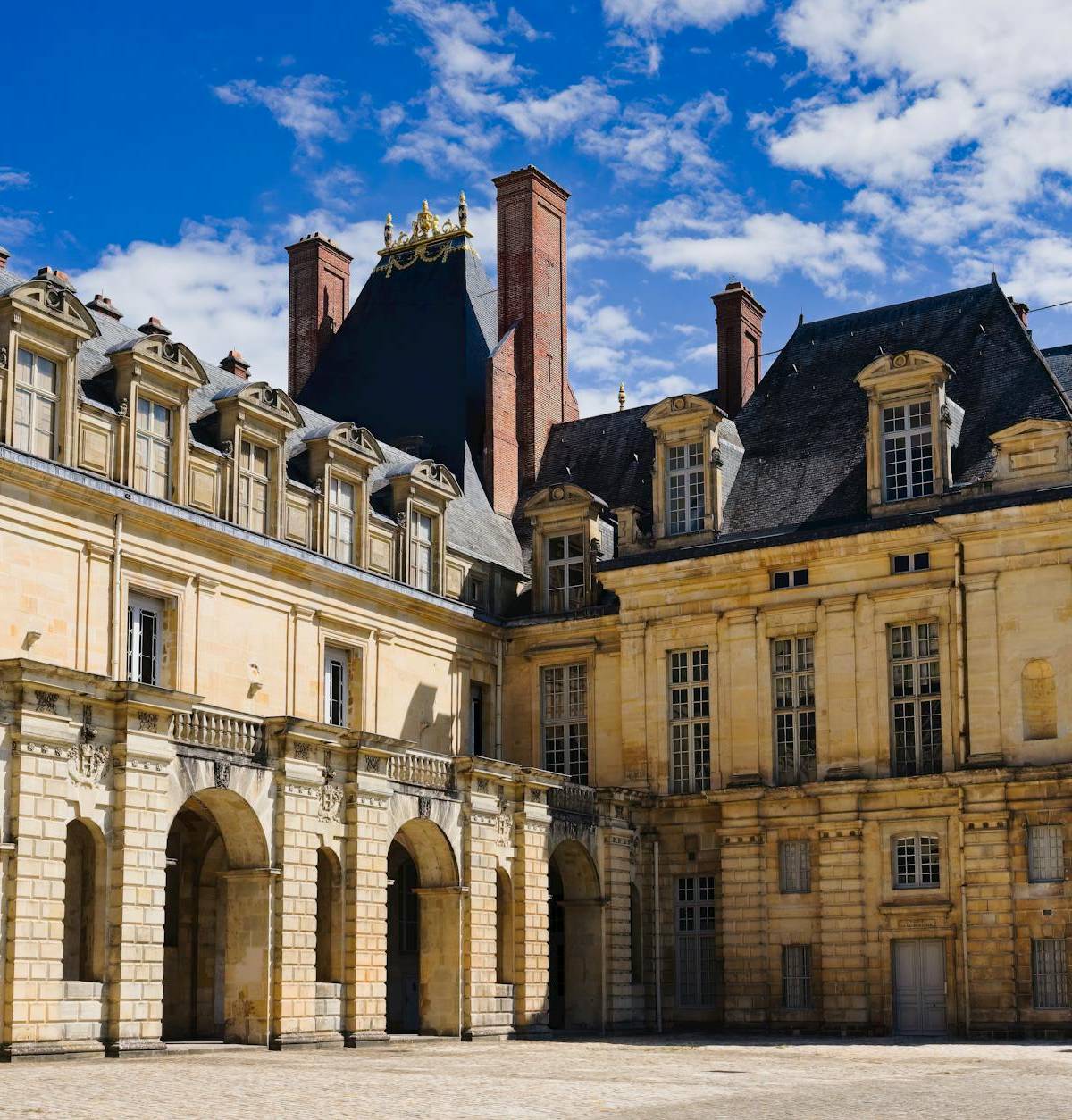
Ready to experience Paris for yourself? Plan Your Paris Trip with Chic Trip - a custom route, coordinated bookings and one accountable planner.
Planning your own Paris trip? Estimate your budget with the free Paris trip cost calculator, find out how many days you need in Paris, check when to book everything in Paris, or build a day-by-day plan with the Paris itinerary planner.
About Chic Trip
A journey designed exclusively for you: a personal itinerary, restaurant recommendations refined with your feedback, approved reservations and practical details in the Chic Trip app. Your written proposal confirms the total, inclusions and booking conditions before you commit. Start with a free call or email; no payment or price acceptance is required to enquire.