The Chef's Table: 5 Restaurants offering the Most Intimate Dining Experiences
Food & Wine 3 min read
Quick answer
Discover Paris's most exclusive chef's table experiences at Park Hyatt, Septime La Cave, and Auguste, where intimate proximity to masterful chefs transforms dinner into unforgettable performances o...
An intimate restaurant, a wine bar and a true chef’s table offer different evenings. These five addresses are ideas for a more personal dining experience, not a promise that every reservation places you beside a working chef. If kitchen views or direct conversation matter, have the restaurant confirm the specific seating and format before you book.
Park Hyatt Paris-Vendôme Private Table
At Park Hyatt Paris-Vendôme, 5 rue de la Paix, PUR’ is Jean-François Rouquette’s gastronomic restaurant. Ask specifically about the Table d’honneur and its current menu, capacity and booking terms. Do not confuse that experience with a seasonal hotel dining installation or assume a kitchen-counter seat is included in a normal restaurant reservation.
Chic Tip: Confirm whether your booking is private or shared and what is included. Do not assume you will dine with strangers or that the chef will personally host every course.
Septime La Cave: A Wine-Bar Alternative
Septime La Cave is a wine bar at 3 rue Basfroi in the 11th arrondissement, separate from Septime’s restaurant on rue de Charonne. Go for wine and the changing small-plate selection, not for a seat watching the restaurant’s kitchen brigade. It is a different format from a full tasting-menu dinner.
Chic Tip: Check the current hours and food selection, and keep another dinner option if you need a full seated meal. A visit to the wine bar is not a substitute for a Septime restaurant reservation.
Auguste Private Dining
Auguste, at 54 rue de Bourgogne in the 7th arrondissement, is Gaël Orieux’s restaurant. His cooking includes both land and sea ingredients, with a particular interest in responsible seafood. Ask the team about seating and the current menu; a normal reservation does not establish a chef’s-counter or private-dining arrangement.
Chic Tip: Explain whether you want a quieter table or a particular view when requesting a reservation, then wait for confirmation. A weekday booking does not guarantee personal time with the chef.
Passionné: French Cooking with a Japanese Perspective
At Passionné, chef Satoshi Horiuchi brings his Japanese background to French cooking. Choose it for the menu and the experience the restaurant currently offers; if an open-kitchen view is essential, ask which seats provide it and have that confirmed. Confirm the seating with the restaurant rather than assuming a standard reservation includes the counter.
Chic Tip: Tell the restaurant about dietary requirements and ask which menu suits your evening. A seating preference is a request until the team confirms it.
Dilia: A Neighborhood Dining Option
Consider Dilia for a neighborhood dinner and check its current menu, service dates and reservation terms directly. Do not book on the assumption that a kitchen-view counter or an interaction with the chef is included: those details need confirmation from the restaurant.
Chic Tip: The 20th arrondissement is trending but still authentically residential. Arrive early and walk the neighborhood—it contextualizes why the restaurant feels different from central Paris equivalents.
Choose the experience before choosing the label. A relaxed wine bar, an intimate dining room and a reserved chef’s table serve different moods and budgets. We can ask the venue about seating, menu, dietary needs and inclusions, then build the evening around what is actually confirmed.
Keep exploring: the 10 best restaurants in Paris · Disneyland Paris vs Parc Asterix · Plan your Paris trip with a local
Get our free Insider Paris Guide: the neighborhoods, restaurants and hidden corners we send our own clients. No tourist traps, no filler.
Get the free guide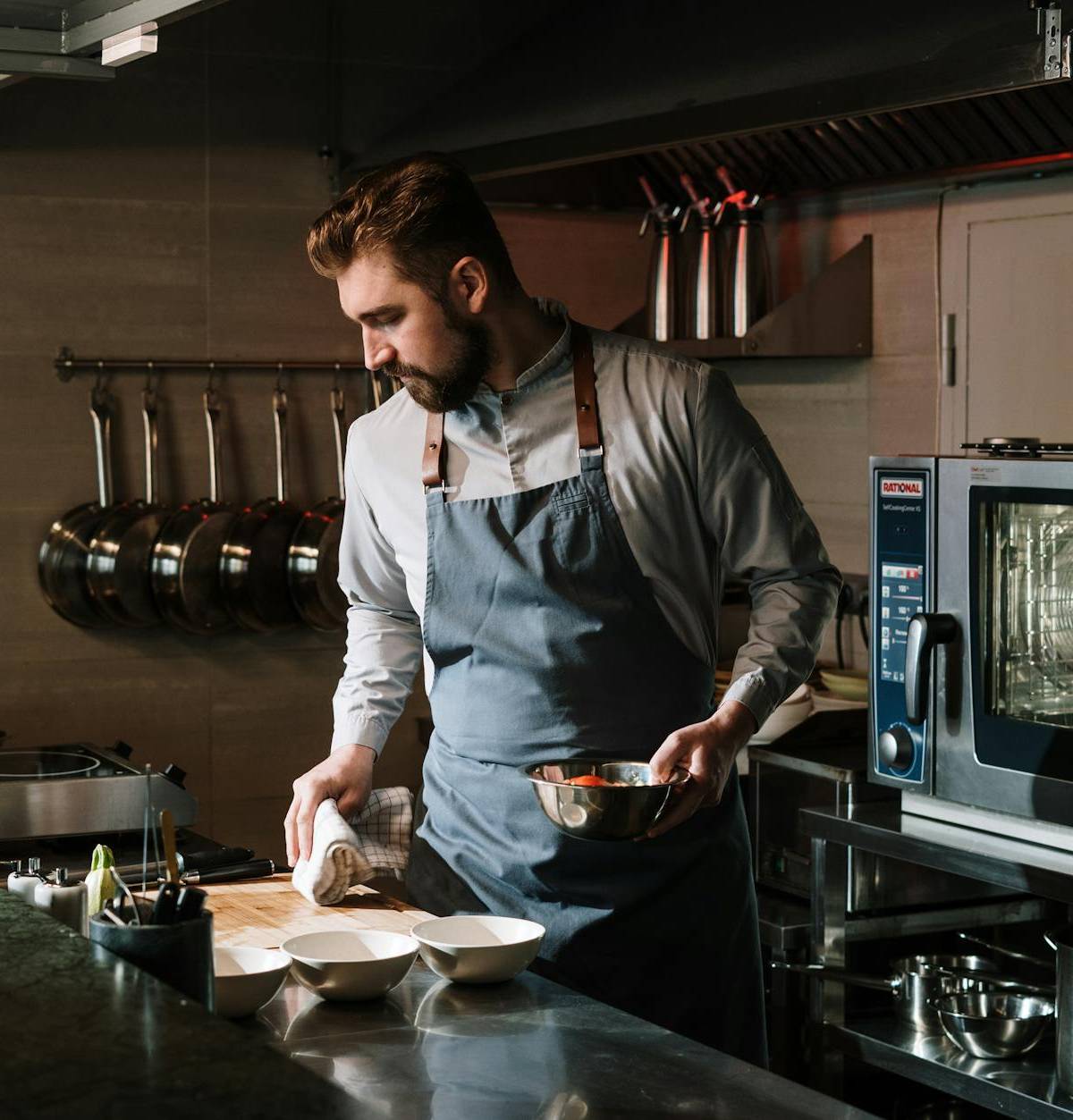
Ready to experience Paris for yourself? Plan Your Paris Trip with Chic Trip - a custom route, coordinated bookings and one accountable planner.
Planning your own Paris trip? Estimate your budget with the free Paris trip cost calculator, find out how many days you need in Paris, check when to book everything in Paris, or build a day-by-day plan with the Paris itinerary planner.
About Chic Trip
A journey designed exclusively for you: a personal itinerary, restaurant recommendations refined with your feedback, approved reservations and practical details in the Chic Trip app. Your written proposal confirms the total, inclusions and booking conditions before you commit. Start with a free call or email; no payment or price acceptance is required to enquire.