Hotel Bar Confidential: Where to Drink Cocktails in Spaces Steeped in History
Practical tips 10 min read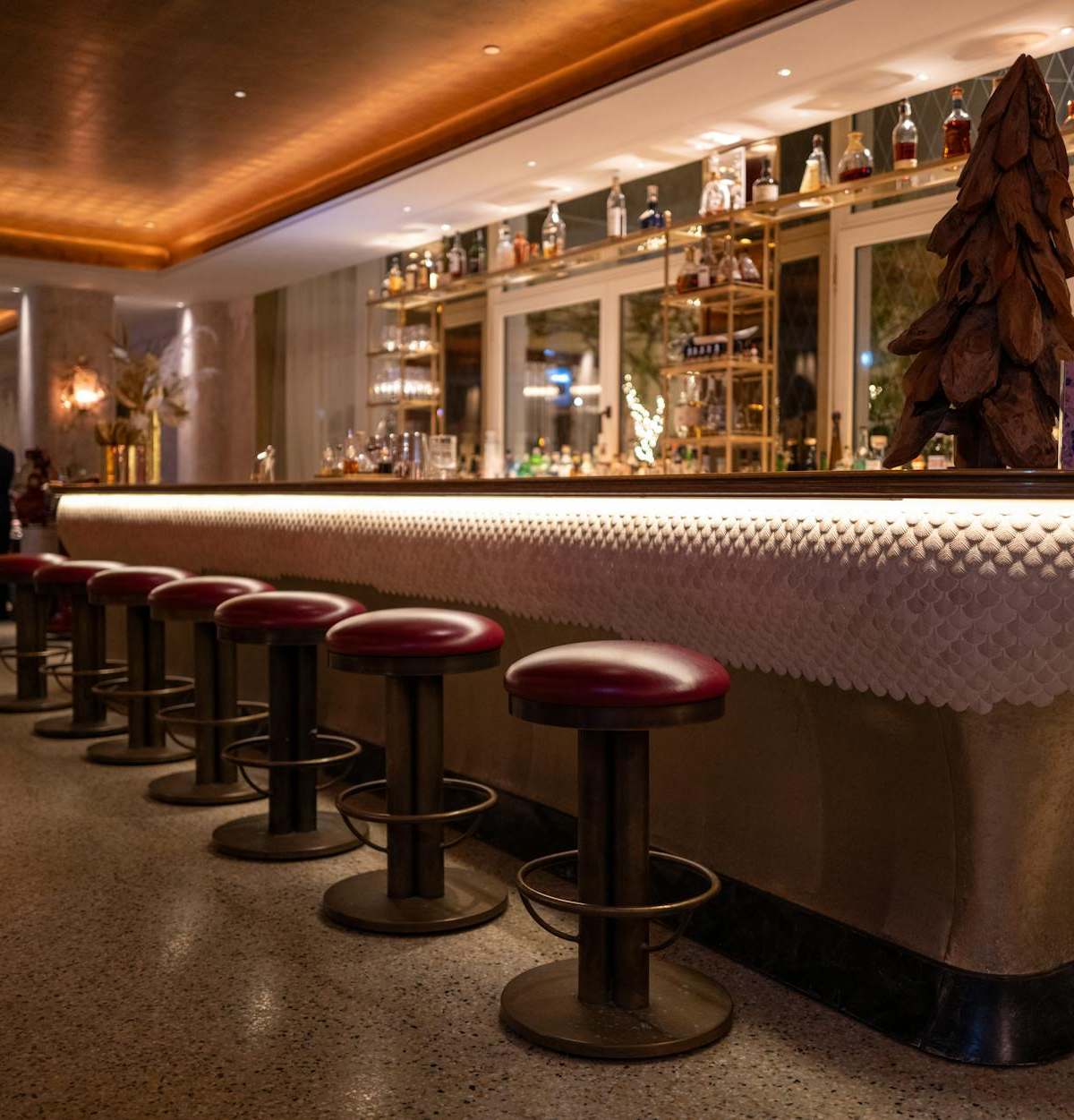
Quick answer
Discover Paris's most historic hotel bars where Hemingway wrote, Kissinger negotiated, and Art Deco lives on. Indulge in premium cocktails amid legendary atmospheres at Ritz, Peninsula, and Lutetia.
Paris hotel bars carry a kind of weight that most cocktail lounges simply cannot match. They are not just polished rooms serving expensive drinks. They are places where history seems to linger in the walls, where writers worked, diplomats negotiated, and artists drifted in and out long before “luxury bar” became a marketing category. In the best cases, the atmosphere is not decoration. It is the reason the place exists.
That is why Paris hotel bars remain so compelling. A good one gives you more than a drink. It gives you a setting that feels meaningful, whether because of the architecture, the people who once sat there, or the way the room still manages to feel distinct in a city full of elegant spaces. The most memorable bars understand that the setting, the service, and the cocktail all have to work together. History alone is not enough. Neither is a beautiful room. The bar has to deliver on the glass as well.
Bar Hemingway at the Ritz
Bar Hemingway is probably the most famous hotel bar in Paris, and in this case the reputation is deserved. Ernest Hemingway spent so much time at the Ritz, and in particular at 15 Place Vendôme, that the bar eventually took his name. That connection gives the room a built-in mythology, but the experience is not only about legend. It also has an intensity and intimacy that keep people coming back.
The bar is small, with room for only around 25 guests, which makes it feel tucked away even inside such a grand hotel. Green leather chairs, framed photographs, personal memorabilia, and a vintage typewriter create a setting that clearly leans into the Hemingway story without becoming a caricature of it. The room has enough personality to feel special, but not so much that it becomes theatrical in a tiresome way.
The cocktails are part of the reason the bar remains so well regarded. Prices are high, as expected, but the drinks are made with real precision. The bar has long been associated with Colin Field, one of the most celebrated bartenders in the city, and that standard of craftsmanship still shapes expectations there. If you are going to pay for the room, the history, and the name, the cocktail itself needs to be worth it. In this case, it usually is.
The only real drawback is the crowd. There are no reservations, and the place can fill quickly. If you want to go, arriving early is the safest move. For many visitors, that is simply part of the appeal: the sense that you are entering a place people still actively want to be in, not just a monument to its own past.
Bar Kléber at Peninsula Paris
Bar Kléber offers a very different kind of historical energy. Located at 57 Rue de Courcelles inside the Peninsula Paris, it occupies a space associated with one of the most consequential diplomatic moments of the 20th century. Henry Kissinger signed the Paris Peace Accords here in 1973, which means the room carries a political history that is quieter than Hemingway’s but no less striking.
The atmosphere reflects that seriousness. Oak paneling, gilded details, mirror work, and a grand but controlled layout give the bar a formal, almost ceremonial feeling. It is elegant without being cold, and old-fashioned in the best sense. You sense immediately that this is a room designed to impress, but also one that remembers its past.
The cocktail list follows the same logic. Drinks are precise, expensive, and presented with care. This is not the kind of place where the bar tries to dominate the conversation. Instead, it supports the environment. The point is not novelty. It is refinement. For travelers who enjoy spaces where the room itself does part of the talking, Bar Kléber is one of the stronger options in the city.
Seating near the windows is especially worthwhile. The interior can feel quite formal, so the natural light helps soften the effect and gives you a better sense of the street outside. That balance between historic formality and present-day calm is part of what makes the bar memorable.
Bar Joséphine at Hôtel Lutetia
If Bar Kléber leans diplomatic, Bar Joséphine leans artistic. Located at Hôtel Lutetia on Boulevard Raspail, it sits in a building strongly associated with Art Deco elegance and Left Bank sophistication. The bar’s sculpted walls, vaulted ceilings, and generous windows create a sense of old Paris that feels both refined and alive.
The room changes character after dark. During the day, it reads as a beautiful hotel bar with a strong architectural identity. At night, especially when live jazz is playing, it becomes something more atmospheric. The music fills the space naturally, and the vaulted ceiling helps give the room a resonant, almost cinematic quality. It is one of those places where the environment adds as much to the evening as the drinks do.
The cocktail list here tends toward the classic side, but with enough invention to keep regulars interested. That is a good fit for the setting. A bar like this should not chase trends too hard. It should feel composed, elegant, and a little timeless. Bar Joséphine does that well.
Thursday and Friday evenings are especially appealing if you want the full experience. The live music gives the room a slower rhythm, and it encourages people to stay longer. In a city where many bars feel designed for turnover, that makes a real difference.
Les Ambassadeurs at Hôtel de Crillon
Les Ambassadeurs is one of the most aristocratic hotel bars in Paris, and it feels that way from the moment you enter. Set inside the Hôtel de Crillon at Place de la Concorde, it occupies a building that once served as the private residence of the Duc de Crillon. That heritage matters, because the room does not merely imitate old-world luxury. It was built on it.
The decor is elaborate but controlled, with an 18th-century sensibility that feels authentic rather than staged. That distinction is important. Some places in Paris try to borrow historical style as a decorative theme. Les Ambassadeurs feels like it inherited it. The result is a bar that carries real gravitas without becoming heavy or inaccessible.
Champagne is especially central here. With a deep selection that includes many prestigious references, the bar is designed for guests who appreciate the category and want to explore it properly. The wine and champagne service is part of the experience, not an afterthought. If you care about terroir, vintage variation, and the difference between broad prestige and finer detail, this is one of the better places in Paris to spend an evening.
Jazz also plays a role in the atmosphere, helping the room feel alive rather than frozen in its history. That balance is one of the bar’s strengths. It respects its setting without turning it into a museum.
Le 228 at Le Meurice
Le 228 is smaller and more intimate than some of the other bars on this list, but that is exactly what gives it charm. Located at 228 Rue de Rivoli inside Le Meurice, it once had the energy of a discreet speakeasy, and even now it retains a faintly secretive feel. It is the kind of room that rewards people who like bars with a little hush around them.
The signature drink, the Meurice Millénium, is one of the details that gives the bar personality. It is sweet, Champagne-based, and easy to underestimate if you are not paying attention. The room itself is elegant without feeling intimidating, which is not always easy to achieve in a luxury hotel setting. Staff are attentive, but not overbearing, which makes the experience feel smoother and more relaxed.
Its location across from the Tuileries adds to the appeal. The bar feels like part of central Paris without being exposed to the full chaos of the street outside. That location also makes it a good place to pause before dinner or after a walk through the area. It is not the most theatrical hotel bar in the city, but it is one of the most balanced.
Mid-week early evenings are a strong time to visit. The room is usually quieter, the service has more space to breathe, and the atmosphere feels more personal. For travelers who prefer subtlety over spectacle, that matters.
Why These Bars Matter
What distinguishes these hotel bars from ordinary cocktail lounges is not only the price or the decor. It is the sense that each one has an identity rooted in history, architecture, and repeat use over time. They are not trying to invent a personality from scratch. They are drawing on one that already exists.
That matters for the experience. A drink in a place like Bar Hemingway or Les Ambassadeurs feels different because the room itself has narrative weight. You are not just ordering a cocktail. You are entering a space that has hosted stories, decisions, and rituals for decades, sometimes for centuries. The best hotel bars understand that and build around it rather than hiding it.
It also helps explain why these places continue to attract both visitors and locals. A well-run hotel bar can offer something that feels elevated without becoming detached from the city around it. The room may be historic, but the cocktail still has to be good. The service may be polished, but it still has to feel human. When those elements line up, the result is much more than a luxury stop. It becomes a place worth remembering.
Choosing the Right One
The best choice depends on what kind of evening you want. Bar Hemingway is the most iconic and the most crowded, which makes it ideal if you want the classic Paris hotel-bar story. Bar Kléber suits those who appreciate diplomatic history and formal interiors. Bar Joséphine works beautifully for people who like jazz and Art Deco atmosphere. Les Ambassadeurs is the strongest fit for Champagne lovers and anyone drawn to aristocratic settings. Le 228 is the quieter, more discreet option, best for travelers who value intimacy.
In every case, timing matters. Some of these bars are easier to enjoy early in the evening, before the rooms fill and the energy shifts. Others are better when the music starts or the light softens. A good visit is rarely only about the drink. It is about arriving at the right moment, in the right mood, and letting the room do its work.
Paris hotel bars justify their place in the city because they offer something many modern cocktail lounges cannot: continuity. They connect the present to the past without losing their function in the present. That is what gives them real value, and why the best of them remain worth the price.
Keep exploring: bring Haussmann style into your home · the five Statues of Liberty in Paris · Plan your Paris trip with a local
Get our free Insider Paris Guide: the neighborhoods, restaurants and hidden corners we send our own clients. No tourist traps, no filler.
Get the free guide
Ready to experience Paris for yourself? Plan Your Paris Trip with Chic Trip - a custom route, coordinated bookings and one accountable planner.
Planning your own Paris trip? Estimate your budget with the free Paris trip cost calculator, find out how many days you need in Paris, check when to book everything in Paris, or build a day-by-day plan with the Paris itinerary planner.
About Chic Trip
A journey designed exclusively for you: a personal itinerary, restaurant recommendations refined with your feedback, approved reservations and practical details in the Chic Trip app. Your written proposal confirms the total, inclusions and booking conditions before you commit. Start with a free call or email; no payment or price acceptance is required to enquire.