Market Day Magic: How to Navigate the Marché des Enfants Rouges like a Local
Food & Wine 5 min read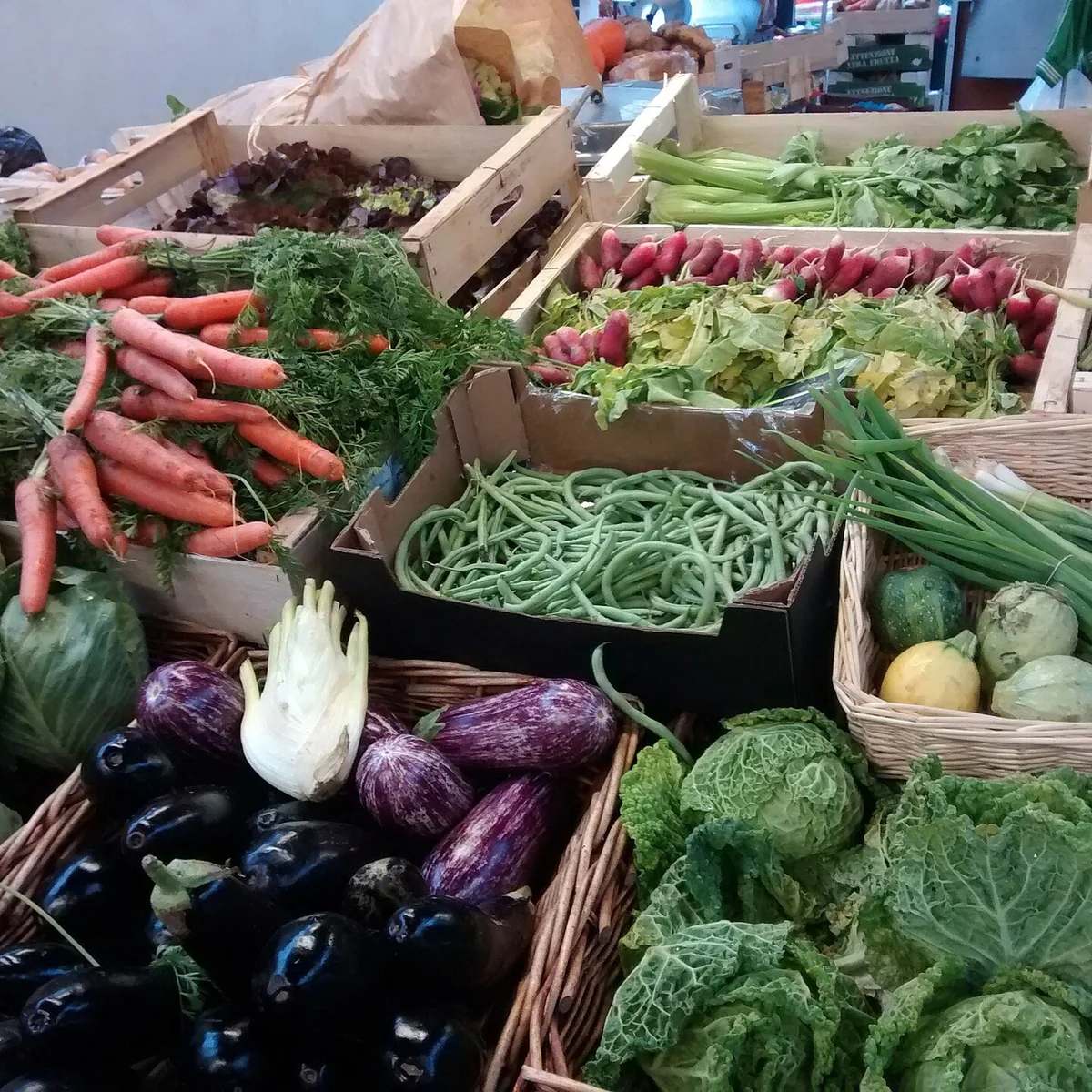
Quick answer
Discover Paris's oldest market, Marché des Enfants Rouges, and navigate like a chic local. From historic origins to the best times for fresh produce and global feasts in the Marais.
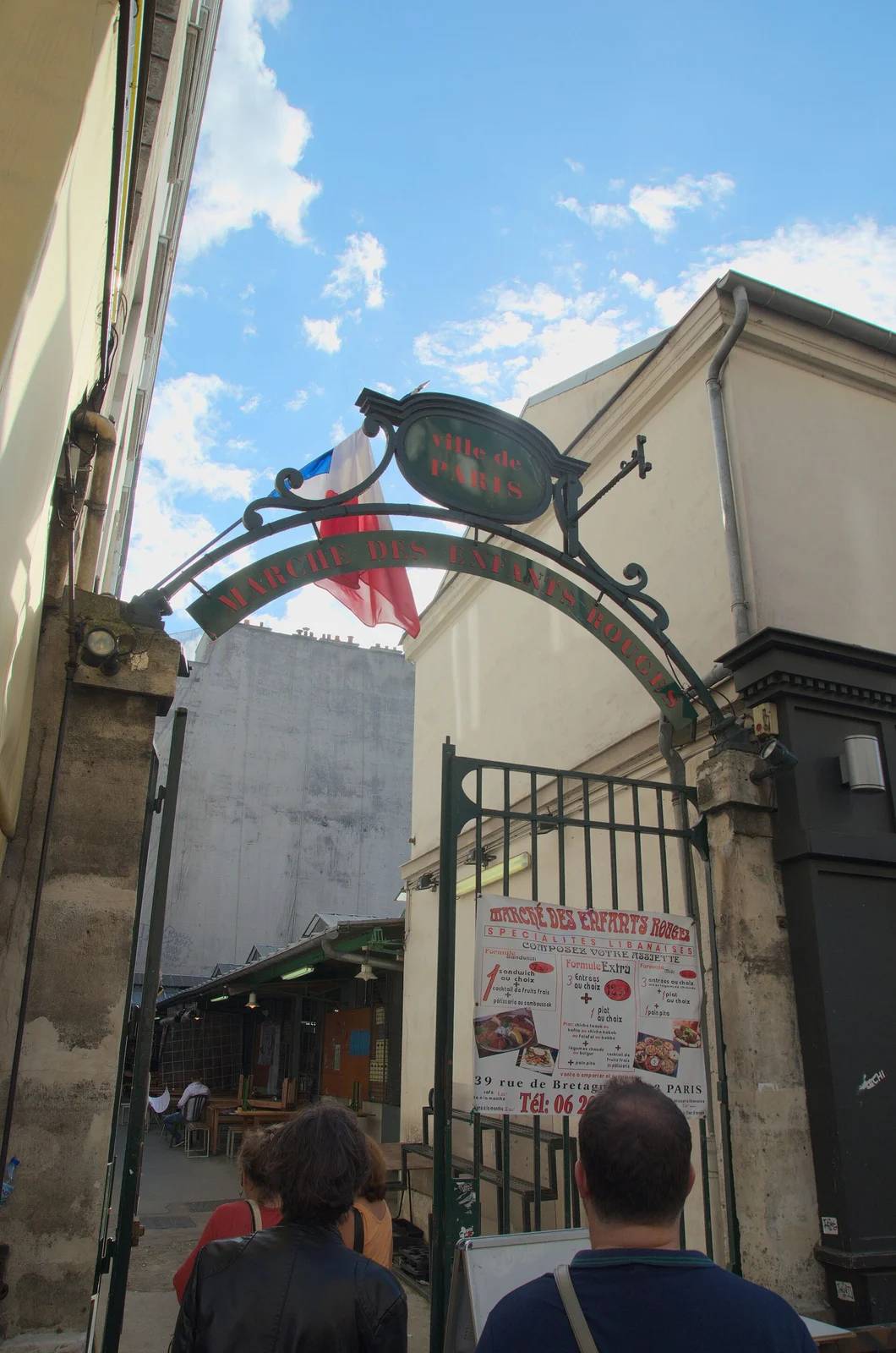
Paris's oldest covered market opened in 1615 under Louis XIII when the Marais was still establishing itself as a neighborhood worth living in. The name—"Market of the Red Children"—honors an orphanage next door where abandoned children wore distinctive red uniforms symbolizing Christian charity. The orphanage closed in 1772, but the market endured through revolutions, wars, and near-demolition in the 1980s before locals fought to save it. Today at 39 Rue de Bretagne, it remains what it's always been: a place where Parisians buy vegetables, argue about cheese, and eat lunch standing at communal tables.
When to Arrive
Weekday mornings between 9 and 11 AM bring the serious shoppers—neighborhood residents buying produce for the week, regulars who've been coming here for decades. The vendors know them, save the best tomatoes, argue good-naturedly about which melon is ripe. This is when the market feels most itself: functional, unhurried, Parisian in the way that tourists rarely see.
Lunchtime transforms it completely. From noon to 2 PM, the prepared food stalls—Moroccan tagines, Japanese bento, Italian pasta, Lebanese mezze—fill every communal table. Office workers from surrounding streets, students, tourists who've discovered it converge simultaneously. It gets loud, crowded, chaotic. Some people love this energy. Others find it overwhelming.
Sundays draw the brunch crowd. The market opens around 9 AM, but the real rush starts closer to noon when the whole neighborhood seems to arrive at once. If you're visiting Sunday, go early or accept that you'll be shoulder-to-shoulder with everyone else trying to claim a seat.
Chic Tip: Tuesday or Thursday mornings around 10 AM offer the best balance—enough vendors open to justify the visit, few enough people that you can actually move freely.
What to Buy, What to Skip
The produce stalls display seasonal vegetables and fruit with the kind of care that signals pride. Vendors will let you smell melons, select specific tomatoes, discuss how ripe you want your avocados. This isn't grab-and-go shopping—it's a conversation about food that requires patience and basic French.
The cheese vendor near the market's center stocks small-producer cheeses you won't find in supermarkets. Ask for recommendations based on what you're planning. They'll steer you toward something appropriate and slice samples if you're genuinely interested rather than just browsing.
Skip the prepared food if you're here for authentic market experience. Yes, the Moroccan stall is good, and the Italian pasta draws crowds for valid reasons. But you came to a historic market to eat food served on disposable plates at communal tables with strangers? That's treating it like a food court when it deserves better.
Chic Tip: Buy ingredients—cheese, bread from the bakery stall, fruit, maybe some charcuterie—and assemble a proper picnic. Walk five minutes to Square du Temple and eat there. You've honored the market's actual purpose while avoiding the lunch mob.
The Architecture That Survived
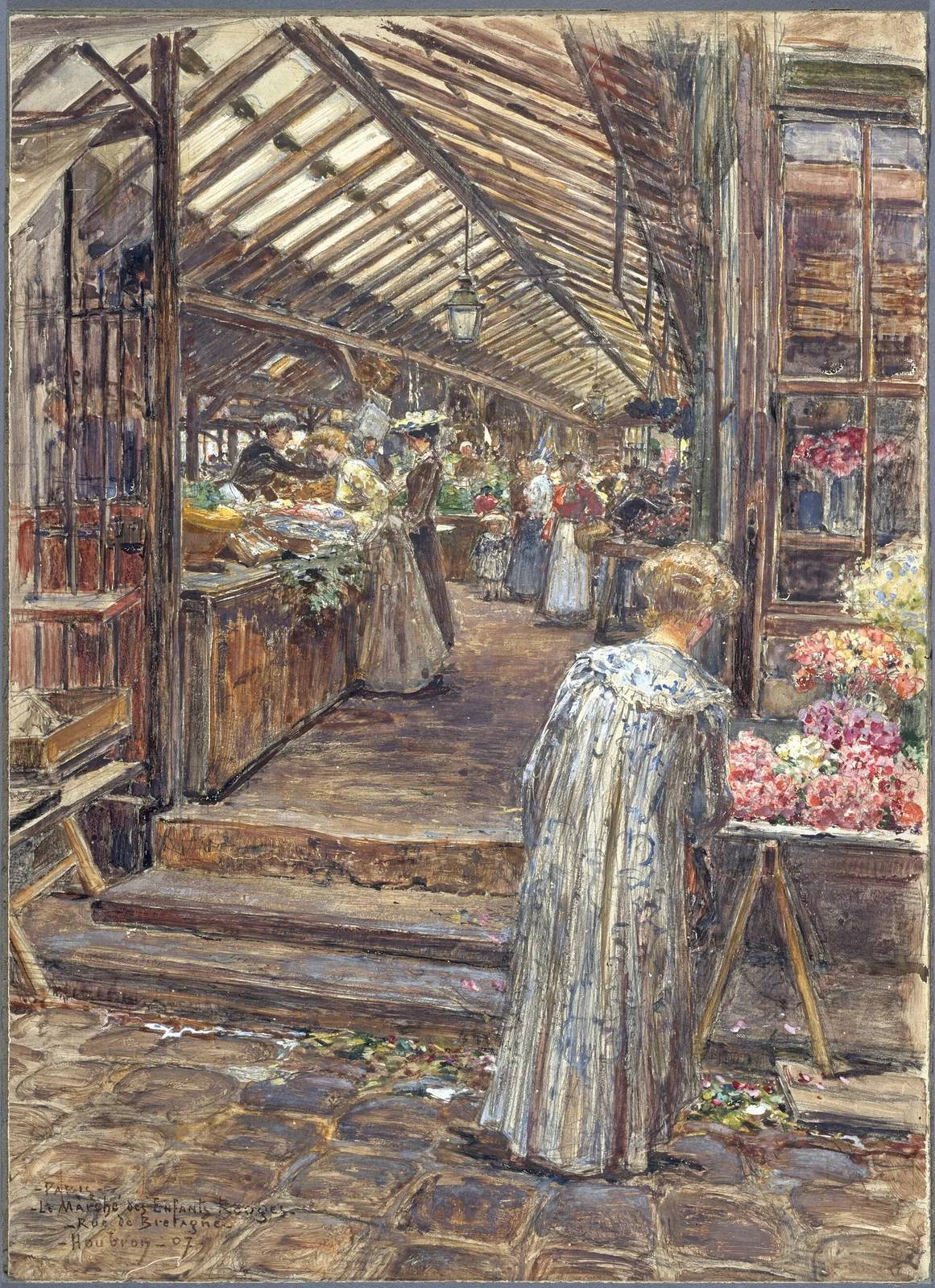
The wooden beams overhead date back centuries, supported by pillars that have held this structure through wars and revolutions. The cobblestone paths between stalls get slippery when wet. The whole space spans maybe 1,500 square meters, compact enough that you see everything in ten minutes but layered enough to reward slower exploration.
In 1982, it was declared a historic monument. By the 1990s, it had fallen into such disrepair that demolition seemed inevitable. Local residents mobilized, fought the city, won. The renovation reopened it in 2000, preserving the essential character while modernizing infrastructure. That victory—neighbors refusing to let developers erase history—is as much part of the market's identity as anything you can buy there.
Chic Tip: Look up. The wooden structure and how light filters through gaps in the roof explains why this space feels different from modern covered markets. It was built when natural light and air circulation mattered more than aesthetic uniformity.
Visiting like a local means understanding the market's rhythm—when vendors are freshest, when crowds make it impossible, what it's actually for versus what tourists use it for. That distinction separates checking a box from experiencing a place that's been feeding Parisians for four centuries. We time these visits carefully because mornings matter, and knowing which day works best isn't obvious until you've gone on the wrong one. If that's useful, we're here.
Keep exploring: the 10 best restaurants in Paris · bring Haussmann style into your home · Plan your Paris trip with a local
Crafted by Parisians
Want the Paris locals actually love?
Get our free Insider Paris Guide: the neighborhoods, restaurants and hidden corners we send our own clients. No tourist traps, no filler.
Ready to experience Paris for yourself? Plan Your Paris Trip with Chic Trip - a custom route, coordinated bookings and one accountable planner.
Planning your own Paris trip? Estimate your budget with the free Paris trip cost calculator, find out how many days you need in Paris, check when to book everything in Paris, or build a day-by-day plan with the Paris itinerary planner.
About Chic Trip
A journey designed exclusively for you: a personal itinerary, restaurant recommendations refined with your feedback, approved reservations and practical details in the Chic Trip app. Your written proposal confirms the total, inclusions and booking conditions before you commit. Start with a free call or email; no payment or price acceptance is required to enquire.