Vintage Treasures: High-End Friperies and Flea Market Finds in Saint-Ouen
Food & Wine 8 min readQuick answer
Discover Saint-Ouen's world's largest antique market and Paris' high-end friperies for curated Chanel, Hermès, and flea market gems. Expert tips for luxury vintage hunting.
Paris invented the flea market in the 1870s when street vendors got evicted from central Paris and relocated north of the Périphérique, spreading their scavenged goods across what became Saint-Ouen. A century and a half later, that collection of stalls has evolved into the world's largest antique market—fifteen individual markets spanning seventeen acres, attracting five million visitors annually. Meanwhile, back in the city proper, a constellation of high-end vintage boutiques has emerged in neighborhoods like Saint-Germain and the Marais, selling carefully curated Chanel and Hermès to clients who want provenance with their purchases. Both ecosystems coexist, serving different appetites for the past.
Navigating Saint-Ouen: The Flea Market That Ate a Neighborhood
Take metro line 4 to Porte de Clignancourt and exit following signs for "Marché aux Puces". What greets you immediately isn't the romantic flea market you imagined—it's blocks of cheap knockoff vendors selling counterfeit bags and tourist junk. Walk past them. Keep walking. Cross Boulevard des Maréchaux onto Avenue de la Porte de Clignancourt until you hit Rue des Rosiers—the spine running through the actual market.
Now you're somewhere. The markets open Saturday and Sunday 10 AM to 6 PM, Monday 11 AM to 5 PM. Friday is professionals-only, skip it. August sees half the dealers on vacation, so temper expectations if visiting then. Arrive close to opening time before crowds descend and before the good pieces get snapped up by dealers who know what they're hunting.
The Markets Worth Your Time
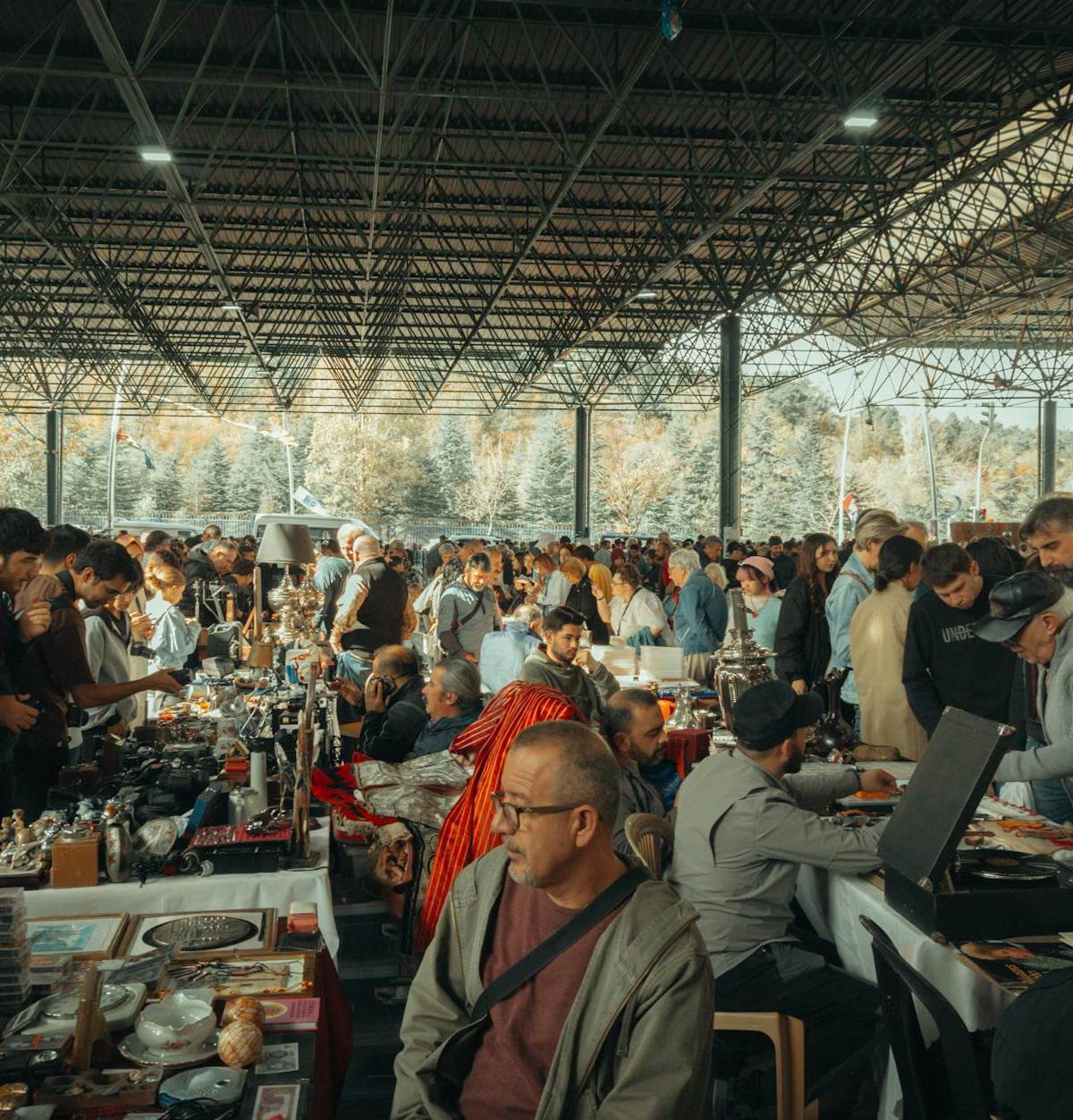
Marché Vernaison is the oldest, the heart of Saint-Ouen. Its covered alleys hold everything from coffee grinders to vintage fashion, stately silverware to porcelain pyramids at Idée Broc where cups and saucers stack in impossible colors. It's chaotic, densely packed, occasionally overwhelming—exactly what a flea market should be.
Marché Paul Bert Serpette is the most picturesque and the most expensive. Ivy-lined outdoor stalls display mid-century modern furniture and art. Inside, serious antique dealers occupy permanent spaces with inventories that rotate slowly because they're waiting for clients who understand value. This market also holds one of the world's most notable vintage Chanel jewelry collections, both displayed and for sale. Prices reflect that pedigree.
Marché Dauphine sprawls across two floors with 180 merchants and what looks like a space shuttle in the middle—it's covered, climate-controlled, organized. If Paul Bert Serpette is for treasure hunters, Dauphine is for people who want to browse without mud on their shoes.
Marché Jules Vallès is the most economical, where bargain hunters congregate and negotiation becomes sport. Come here if you're looking for function over pedigree, or if you enjoy the hunt more than the acquisition.
The Anchor: Mei Mei Vintage
At 129 Rue des Rosiers in Marché Vernaison, former model Mae Lapres runs this shop as your entry point into Saint-Ouen's maze. She curates affordable vintage spanning decades—nothing crazy expensive, everything handpicked with an eye toward wearability. Upstairs, she maintains a studio making one-off pieces for fashion editorials. Start here to orient yourself, then venture deeper once you understand the market's rhythm.
Chic Tip: Bring cash—many old-school dealers don't accept cards, which also gives you leverage when negotiating. Haggling is expected, not rude. Name your price. They'll counter. You'll meet somewhere in the middle or you won't, and either outcome is fine.
The High-End Boutiques: Where Provenance Matters
Back in central Paris, vintage shopping takes a different form. These aren't treasure hunts—they're curated exhibitions where someone's already done the hunting and you're paying for their taste.
Mon Vintage (6th Arrondissement)
Marie Blanchet ran vintage for Vestiaire Collective before opening her appointment-only showroom on Rue Dauphine. Her client list includes Amal Clooney, Rihanna, and the Olsen twins, with whom she's collaborated. The inventory runs to rare John Galliano, Courrèges, Chloé, Alaïa, Hermès—pieces you won't find elsewhere because she sources them before they hit the open market.
The experience happens in her apartment, intimate and salon-like, skewed toward serious collectors rather than browsers. Email ahead for an appointment and lookbook. There's no pressure to purchase, but showing up without genuine interest feels like wasting her time.
Chic Tip: Be specific about what you're seeking when you email. Her collection is vast but not on display—she pulls pieces based on your stated preferences.
Mademoiselle Josephine (6th Arrondissement)
At 16 Rue des Saints-Pères in Saint-Germain, Josephine's window displays a rotating selection of vintage Celine, Chanel, and Hermès bags. Inside, high turnover from well-heeled local residents means inventory constantly refreshes with designer dresses, suits, separates, and accessories. It's less precious than Mon Vintage, more accessible in both atmosphere and price point, though "accessible" still means four figures for many pieces.
Chic Tip: Visit weekly if you're in Paris long-term. What's in the window changes constantly, and the good pieces move fast.
Palace Callas (4th Arrondissement)
At 16 Rue du Pont Louis-Philippe in the Marais, this shop celebrates late nineties/early 2000s fashion—the Sex and the City era when monogrammed Dior Saddle bags and logo everything ruled. Jean Paul Gaultier and Yohji Yamamoto garments hang alongside modern pieces and impeccable unmarked vintage. The shop's Staffordshire terrier greets everyone at the door, which tells you something about the atmosphere: high-end but not stuffy.
Chic Tip: The unmarked vintage often represents better value than labeled pieces. If you know construction and fabric quality, you can find exceptional garments for a fraction of what the logo items cost.
Bobby (2nd Arrondissement)
At 89 Rue Réaumur, this consignment store rejects the cramped-rack aesthetic plaguing most vintage shops. Everything is carefully curated by category: Saint Laurent sunglasses, Balenciaga bags, Chanel cashmere, Prada pumps. They maintain a strict no-high-street policy, which keeps the quality consistent.
They also sell on consignment—items stay in-store for two months before returning to owners, with sellers receiving 50% of sale proceeds minus tax. If you're a local with a closet full of designer pieces you no longer wear, this is where you monetize them.
Chic Tip: There's a second location at 168 Rue du Temple in the 3rd. Both maintain similar standards but different inventory—worth visiting both if you're serious.
Rose Market (9th Arrondissement)
At 19 Rue Milton near Mamiche bakery, Florence Haddad focuses on 1970s and 1990s pieces—the eras that seem to age best. Saint Laurent, Courrèges, old-school Celine appear alongside unmarked vintage that's often more interesting than the labeled pieces. The shop only opens afternoons Tuesday through Saturday, which tells you she's not trying to be everything to everyone.
Chic Tip: Check opening hours before trekking across town. Showing up at 10 AM will leave you staring at locked doors.
Chercheminippes (6th Arrondissement)
At 102 Rue du Cherche-Midi, this hybrid contemporary shop and consignment store serves the fashionable Saint-Germain crowd. Designer pieces like Isabel Marant and Chanel mix with contemporary French labels and excellent vintage shoes. Next door, the homeware section sells crockery, glassware, linen, and textiles.
Chic Tip: The shoe selection deserves serious attention—vintage designer shoes in good condition are increasingly rare, and their buyer has a good eye.
The Practical Realities
Saint-Ouen requires comfortable shoes—you'll walk miles across seventeen acres. Dress well enough to blend with stylish Parisians but not so expensively that you advertise yourself as a target. Keep valuables in zippered bags close to your body; leave your passport at the hotel. The market gets crowded, especially sunny weekends, and pickpockets understand crowds create opportunity.
For the boutiques, appointments matter at places like Mon Vintage. Walk-ins work at most others, though calling ahead prevents wasted trips to shops that keep irregular hours. Budget accordingly—vintage Hermès costs what vintage Hermès costs, regardless of where you buy it. The boutiques save you time and guarantee authenticity. The flea market offers discovery and negotiation but requires more work.
Several shipping companies operate near Saint-Ouen for purchases too large to carry. The boutiques typically arrange shipping for international clients buying substantial pieces. Factor those costs into your budget if you're acquiring furniture or multiple items.
Vintage shopping in Paris splits cleanly between two experiences: the curated world where experts have pre-selected and authenticated, versus the chaotic hunt where you might find treasure or junk and the distinction isn't always obvious until you get home. Both have value. Both require different skills and temperaments. Knowing which suits your style, which shops or markets deliver what you're seeking, and how to navigate authentication and pricing—that's where local knowledge separates tourists buying overpriced "vintage" from people acquiring pieces they'll wear for decades. We map these distinctions because vintage represents investment, and investment requires informed decisions. If that resonates, we're here.
Keep exploring: the 10 best restaurants in Paris · Disneyland Paris vs Parc Asterix · Plan your Paris trip with a local
Get our free Insider Paris Guide: the neighborhoods, restaurants and hidden corners we send our own clients. No tourist traps, no filler.
Get the free guide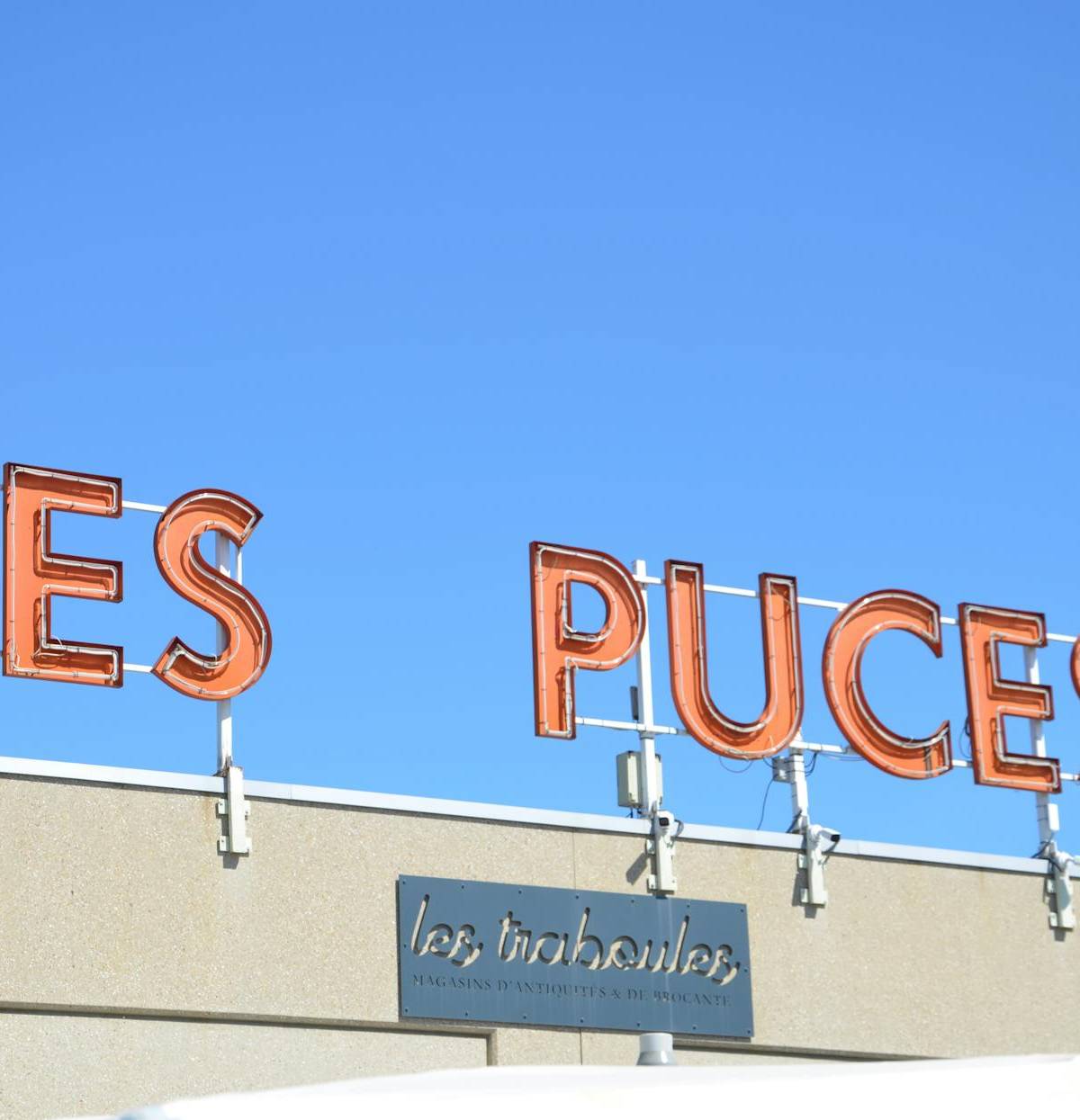
Ready to experience Paris for yourself? Plan Your Paris Trip with Chic Trip - a custom route, coordinated bookings and one accountable planner.
Planning your own Paris trip? Estimate your budget with the free Paris trip cost calculator, find out how many days you need in Paris, check when to book everything in Paris, or build a day-by-day plan with the Paris itinerary planner.
About Chic Trip
A journey designed exclusively for you: a personal itinerary, restaurant recommendations refined with your feedback, approved reservations and practical details in the Chic Trip app. Your written proposal confirms the total, inclusions and booking conditions before you commit. Start with a free call or email; no payment or price acceptance is required to enquire.