For the Home: Bringing a Touch of Haussmann Style to Your Interior
Practical tips 9 min read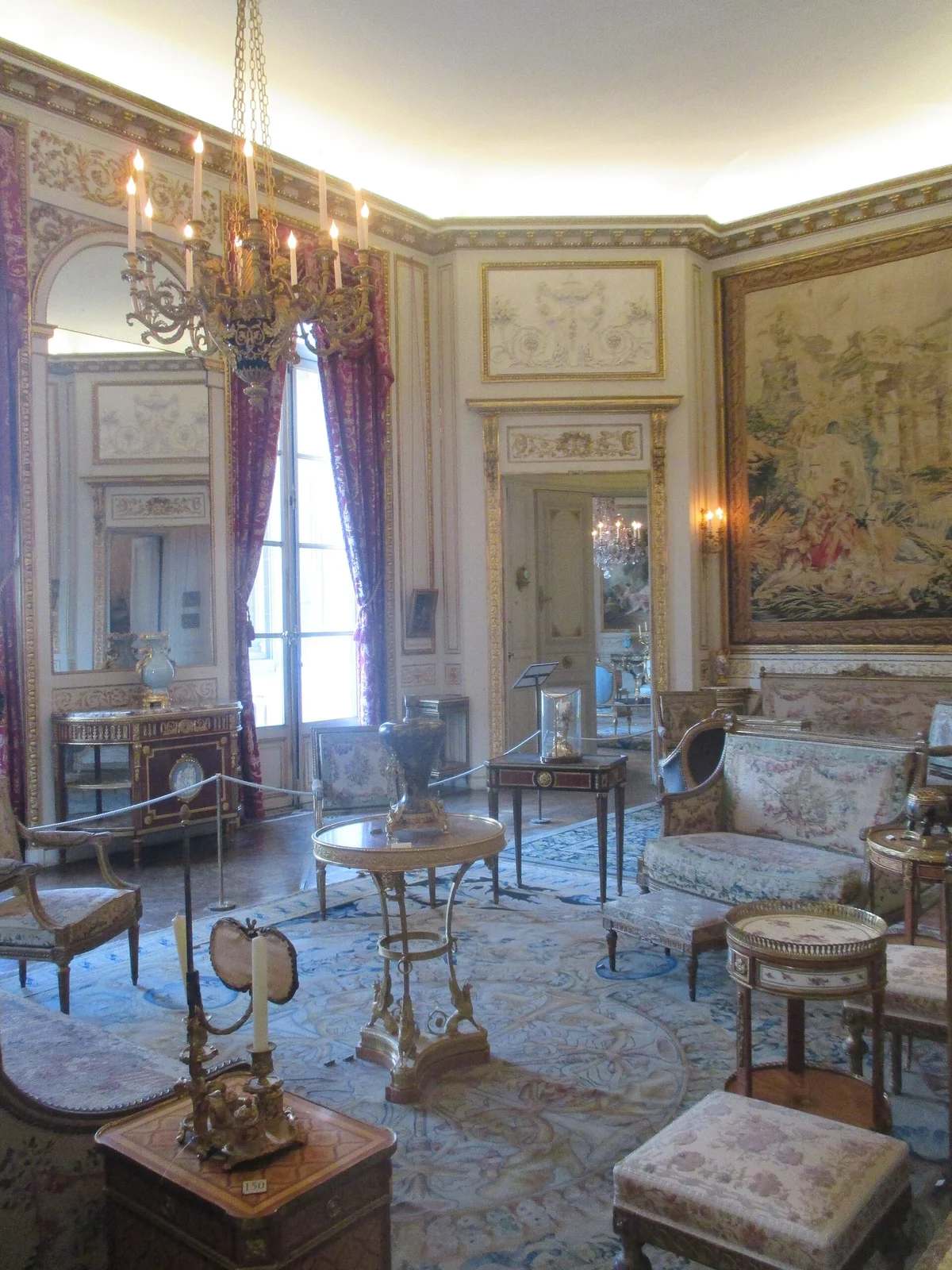
Quick answer
Discover how to infuse your home with the timeless bourgeois elegance of Haussmann apartments—herringbone parquet, ornate moldings, marble fireplaces, and lofty ceilings—for Parisian chic without r...
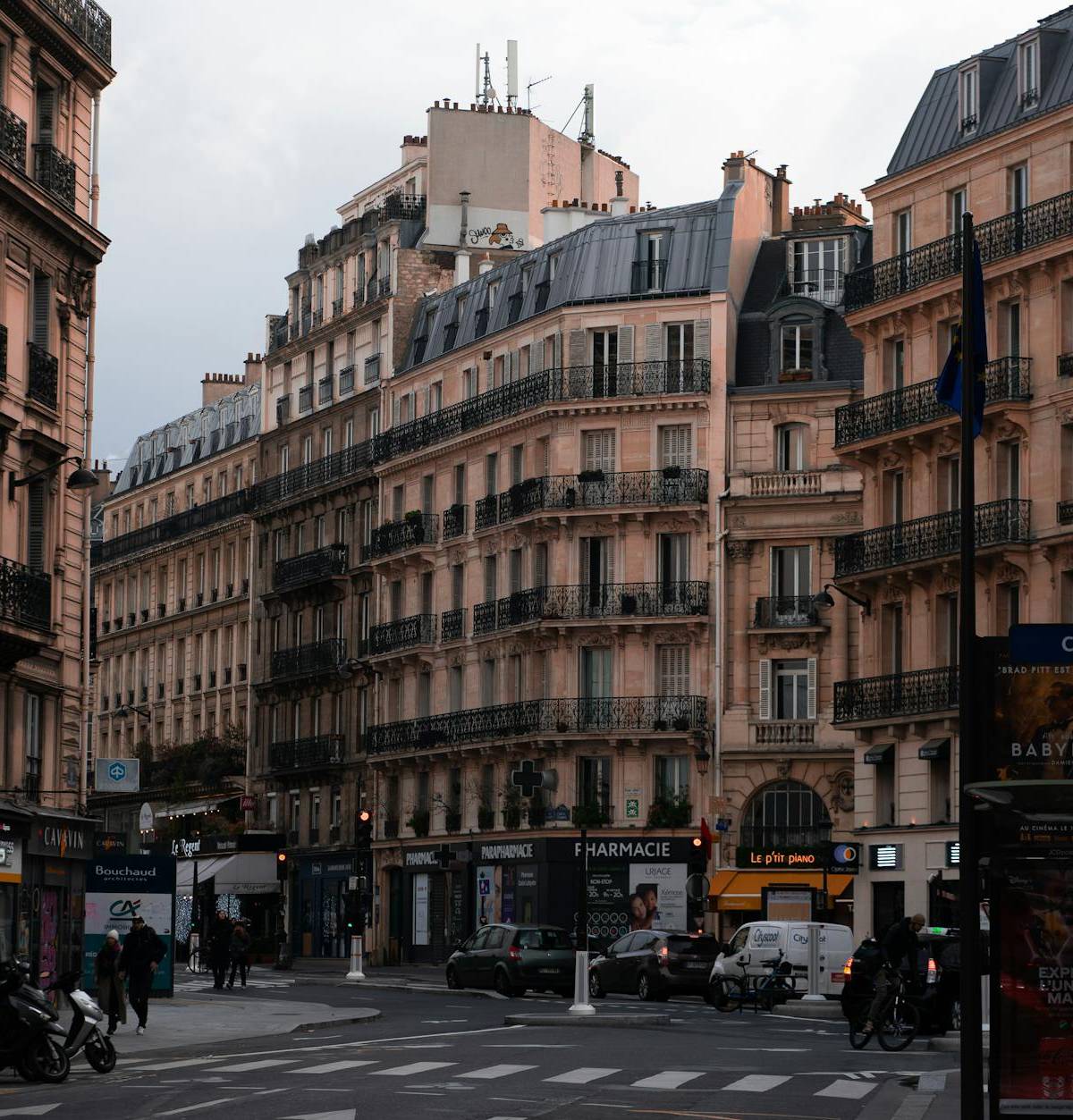
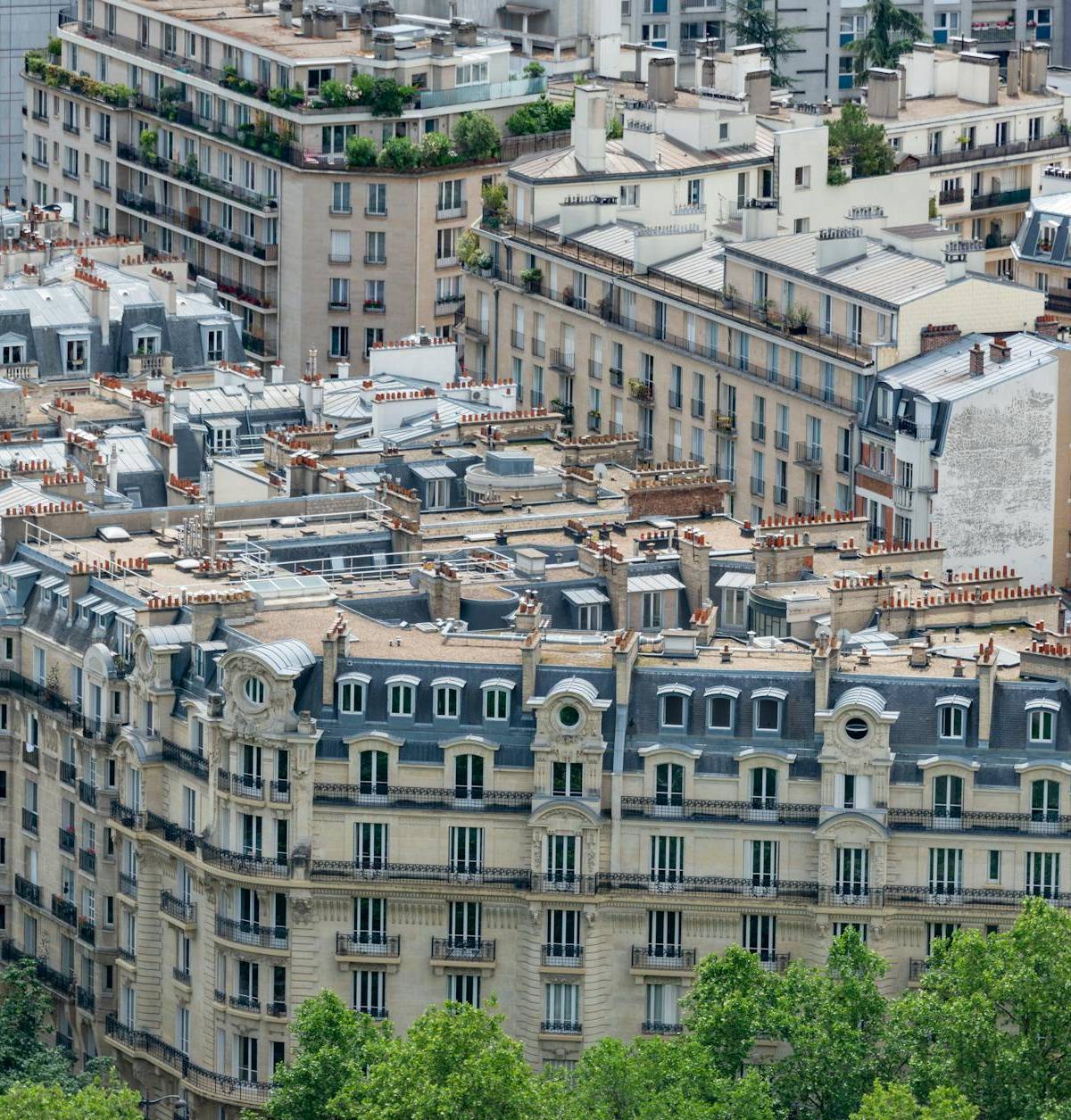
Baron Haussmann carved wide boulevards through medieval Paris between 1853 and 1870, but his real legacy lives inside the buildings that line them. Those cream-stone facades hide apartments defined by specific elements: herringbone oak parquet, ornate ceiling moldings, marble fireplaces, tall windows flooding rooms with light, wrought-iron balconies overlooking tree-lined streets. It's a style that communicates bourgeois elegance without ostentation—or at least, ostentation so normalized it reads as restraint. You can't replicate a Haussmann apartment without knocking down walls and raising ceilings, but you can borrow its vocabulary. Paris still has the craftsmen and suppliers who understand this aesthetic, selling everything from reproduction moldings to salvaged marble mantels.
It was the same city of iron and craft that built the Statue of Liberty in a 17th arrondissement workshop while these apartment blocks were still new. The skills overlapped: the plasterers, bronze workers and metal riveters of Haussmann's Paris were the workforce that made both possible.
Understanding the Bones: What Makes It Haussmann
Height matters first. Haussmann apartments feature 3.2-meter ceilings minimum, often higher on noble floors. That verticality allows for tall windows—usually pairs of French doors opening onto Juliet balconies—that flood rooms with light. Ceilings carry elaborate plasterwork: cornices at the perimeter, ceiling roses around chandeliers, sometimes medallions or friezes depicting acanthus leaves or geometric patterns.
Floors are always parquet, specifically point de Hongrie (herringbone) in oak, sometimes bordered with contrasting wood inlays. The pattern runs perpendicular to windows, creating visual lines that draw the eye toward light sources.
Walls in original Haussmann apartments were often covered in fabric or elaborate wallpaper, though many have been painted over in subsequent renovations. Doors are tall, paneled, frequently topped with transoms to increase light flow between rooms. Hardware—handles, hinges, locks—is brass or bronze, often original to the building and functioning after 150 years because quality endures.
Fireplaces anchor reception rooms: white Carrara marble for formal spaces, sometimes black Belgian marble or cast iron for bedrooms. Mantels display clocks, candlesticks, mirrors—always mirrors, because Haussmann understood that reflecting light doubles its impact.
Where to Find the Elements
Parquet: Emery & Cie
This Belgian company maintains a Paris showroom at 26 Passage Dauphine in the 6th, specializing in traditional materials executed with contemporary precision. Their parquet offerings include authentic point de Hongrie in various widths and finishes, plus borders and medallions for more elaborate installations. They also sell the cement tiles that lined Haussmann-era hallways and service areas—geometric patterns in muted colors that have aged into exactly the kind of patina you can't fake.
Prices reflect quality: expect €150-300 per square meter installed, more for complex patterns or rare woods. But parquet is infrastructure—you install it once and it outlasts everything else in the room.
Chic Tip: Request samples before committing. Different oak finishes photograph similarly but look dramatically different in person, particularly under varying light conditions.
Moldings: Staff Décor
At 12 Rue du Château d'Eau in the 10th, this workshop produces plaster moldings using traditional techniques—actual plaster, not polyurethane foam painted to look like plaster. They can replicate moldings from photographs if you've seen something specific in a Haussmann apartment you want to reproduce, or guide you through their catalog of period-appropriate designs.
Installation requires skilled plasterers, which they can arrange or recommend. Budget €80-200 per linear meter depending on complexity, plus labor. A typical Parisian reception room might require 40-50 meters of cornice molding, which puts total cost around €6,000-12,000 fully installed. It's not cheap. It's also transformative.
Chic Tip: Ceiling roses around light fixtures create drama disproportionate to their cost. Even if full cornices exceed your budget, a well-chosen rose changes a room's character entirely.
Fireplaces: Les Puces de Saint-Ouen
The Saint-Ouen flea markets hold dozens of dealers specializing in architectural salvage, including marble fireplaces pulled from buildings during renovations. Marché Paul Bert and Marché Vernaison concentrate the best options. You'll find Carrara marble mantels from the 1870s, cast-iron inserts with Art Nouveau detailing, occasionally complete chimneypieces with original mirrors.
Prices range wildly—€500 for a simple mantel needing restoration, €5,000+ for museum-quality pieces in perfect condition. Authenticity matters if you care about provenance; fakes exist but experienced dealers can guide you. Budget additional costs for shipping (these weigh hundreds of kilos) and installation, which requires both masonry and potentially chimney work if you want a functional fireplace.
Chic Tip: Bring room dimensions and photos when shopping. A mantel that looks perfect in a dealer's warehouse can overwhelm or underwhelm once installed, and there's no returning a two-ton marble fireplace.
Hardware: Quincaillerie des Batignolles
At 24 Rue Brochant in the 17th, this hardware store has operated since 1916, supplying the brass and bronze fittings that make doors and windows function beautifully. Period-appropriate door handles, window latches, curtain rods, cabinet hardware—all in finishes that age gracefully rather than showing wear as deterioration.
Modern hardware from big-box stores fails within years. Quality brass lasts generations, developing patina that improves with time. Yes, a single door handle costs €80-150 versus €15 at Ikea. But you only buy it once.
Chic Tip: Bring your old hardware if you're replacing existing pieces. Matching finishes across new and existing elements creates cohesion that mixed metals never achieve.
Lighting: Lumières de Paris
At 20 Rue du Grand-Prieuré in the 11th, this shop specializes in antique and reproduction lighting from the Haussmann era through Art Deco. Crystal chandeliers, bronze sconces, opaline glass pendants—the fixtures that hung in reception rooms when gaslight transitioned to electricity.
Chandeliers represent the most dramatic intervention you can make in a room. A five-arm crystal chandelier from the 1880s costs €2,000-8,000 depending on condition and provenance, transforms any dining space instantly into something that feels historically grounded. Reproduction versions cost less but lack the particular quality of age—the slight cloudiness in old crystal, the patina on bronze mounts—that signals authenticity.
Chic Tip: Rewiring is mandatory for antique fixtures. Factor €200-500 into your budget for professional electrical work that meets current code while preserving the fixture's appearance.
Fabric and Wallpaper: Pierre Frey
Multiple Paris locations, including 47 Rue des Petits Champs in the 2nd. Pierre Frey has supplied fine fabrics and wallpapers since 1935, maintaining archives of historical patterns while commissioning contemporary designers. Their Haussmann-appropriate offerings include damask weaves, toile de Jouy, silk stripes in the subdued colors—greys, creams, soft blues—that characterized bourgeois interiors.
Fabric costs €80-300 per meter depending on content and complexity. A pair of floor-length curtains for typical Haussmann windows requires 12-15 meters, which puts material costs around €1,500-3,000 before fabrication. Wallpaper runs €100-250 per roll, with rooms requiring 8-12 rolls typically.
Chic Tip: Order samples of everything. Fabrics and wallpapers look entirely different under natural versus artificial light, and what works in a showroom might fail in your actual space.
Adapting the Style for Contemporary Life
Pure Haussmann interiors can feel museum-like—beautiful but not necessarily livable by modern standards. The trick is borrowing elements while allowing contemporary function.
Start with one or two signature pieces rather than attempting total recreation. A salvaged marble mantel in a living room establishes period character; you don't need crown molding in every room to make it work. Herringbone parquet throughout feels authentic; combining it with modern furniture creates tension that's more interesting than strict period accuracy.
Paint colors matter enormously. Haussmann apartments used warm neutrals—cream, beige, soft grey—that complement natural light without competing with architectural details. Avoid stark white, which looks jarring against antique elements, and be cautious with bold colors that can overwhelm ornate moldings.
Lighting requires balance. Chandeliers provide ambient light but need supplementation—Haussmann-era residents had servants to light dozens of candles; you need table lamps and sconces. Mix antique fixtures with contemporary task lighting placed discretely to avoid aesthetic conflict.
Storage presents the biggest challenge. Haussmann apartments assumed armoires rather than closets, credenzas rather than media centers. Modern life requires accommodating technology and stuff in ways period design never anticipated. Custom built-ins that reference period proportions and details—paneled doors, brass hardware—let you hide contemporary necessities behind historically appropriate facades.
The Budget Reality
Creating even an approximation of Haussmann style requires investment. A single room—let's say a living room—might include:
· Parquet flooring: €5,000-8,000
· Crown molding and ceiling rose: €4,000-6,000
· Marble fireplace and installation: €3,000-8,000
· Chandelier: €2,000-5,000
· Window treatments: €3,000-5,000
· Paint and labor: €2,000-3,000
Total: €19,000-35,000 for one room done properly. That's before furniture, art, or accessories. It's why most people approach this incrementally—parquet first year, moldings second, fireplace when budget allows.
Alternatively, focus budget on elements that deliver maximum impact. Herringbone parquet transforms a space more than almost anything else. A good chandelier changes how you experience a room every time you enter. Crown molding frames everything else you do. Prioritize those over wallpaper or elaborate window treatments, which you can add later.
Haussmann style endures because it solved architectural problems elegantly: how to bring light into deep floor plans, how to create visual interest on large wall expanses, how to signal prosperity without vulgarity. Those solutions still work 150 years later, which is why people keep trying to replicate them. Knowing where to source authentic elements, which craftsmen still practice traditional techniques, and how to adapt period aesthetics for contemporary living—that's where knowledge separates expensive mistakes from investments that appreciate over time. We connect clients with appropriate suppliers and craftsmen because these decisions require expertise most people don't have access to. If that interests you, we're here.
Keep exploring: concept stores that define the Parisian aesthetic · the Belle Epoque department stores · Plan your Paris trip with a local
Get our free Insider Paris Guide: the neighborhoods, restaurants and hidden corners we send our own clients. No tourist traps, no filler.
Get the free guideSleeping Inside the Style
The fastest way to live with Haussmann proportions is to book a stay behind those carved stone facades: most of central Paris's boutique hotels occupy Haussmann buildings, ceiling moldings included. If you are planning a trip, our 30-second where-to-stay-in-Paris quiz matches you to the right arrondissement for your style.
See it on foot
To see Haussmann's Paris at its most graceful, our free self-guided walk Quiet Corners of the 8th and 9th starts at Parc Monceau, ringed by some of the finest facades in the city, and ends among the mansions of the Nouvelle Athènes.
Dreaming of seeing these interiors in person? Start with our free Paris itinerary planner, or let our bespoke Paris travel service build the whole trip around design and architecture.
Ready to experience Paris for yourself? Plan Your Paris Trip with Chic Trip - a custom route, coordinated bookings and one accountable planner.
Planning your own Paris trip? Estimate your budget with the free Paris trip cost calculator, find out how many days you need in Paris, check when to book everything in Paris, or build a day-by-day plan with the Paris itinerary planner.
About Chic Trip
A journey designed exclusively for you: a personal itinerary, restaurant recommendations refined with your feedback, approved reservations and practical details in the Chic Trip app. Your written proposal confirms the total, inclusions and booking conditions before you commit. Start with a free call or email; no payment or price acceptance is required to enquire.