Velvet & Gold: An Evening at the Opera Garnier
Sightseeing 4 min read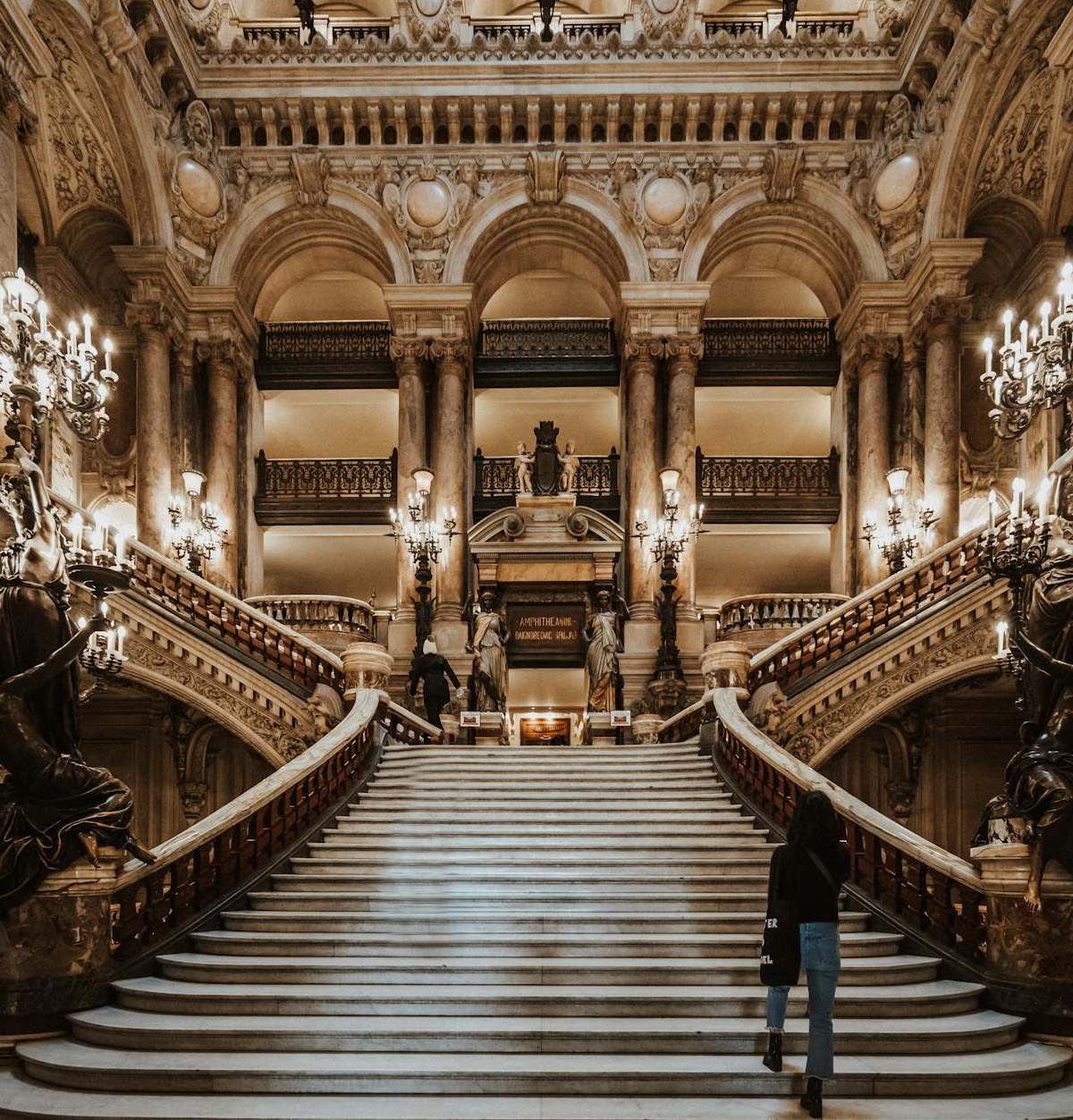
Quick answer
Experience the opulent Palais Garnier at night: ascend the Grand Staircase, marvel at Chagall's ceiling, and immerse in ballet or opera amid velvet and gold elegance.
The Palais Garnier sits at the corner of Avenue de l'Opéra like an overwrought wedding cake designed by someone who believed excess was a virtue. Charles Garnier built it between 1861 and 1875 for Napoleon III, and the result is 11,000 square meters of marble, gilt bronze, and ceiling frescoes that assault the senses in the best possible way. Most visitors tour it during the day as a museum. The ones who understand take their seats at 8 PM when the chandeliers dim and the curtain rises.
The Grand Staircase
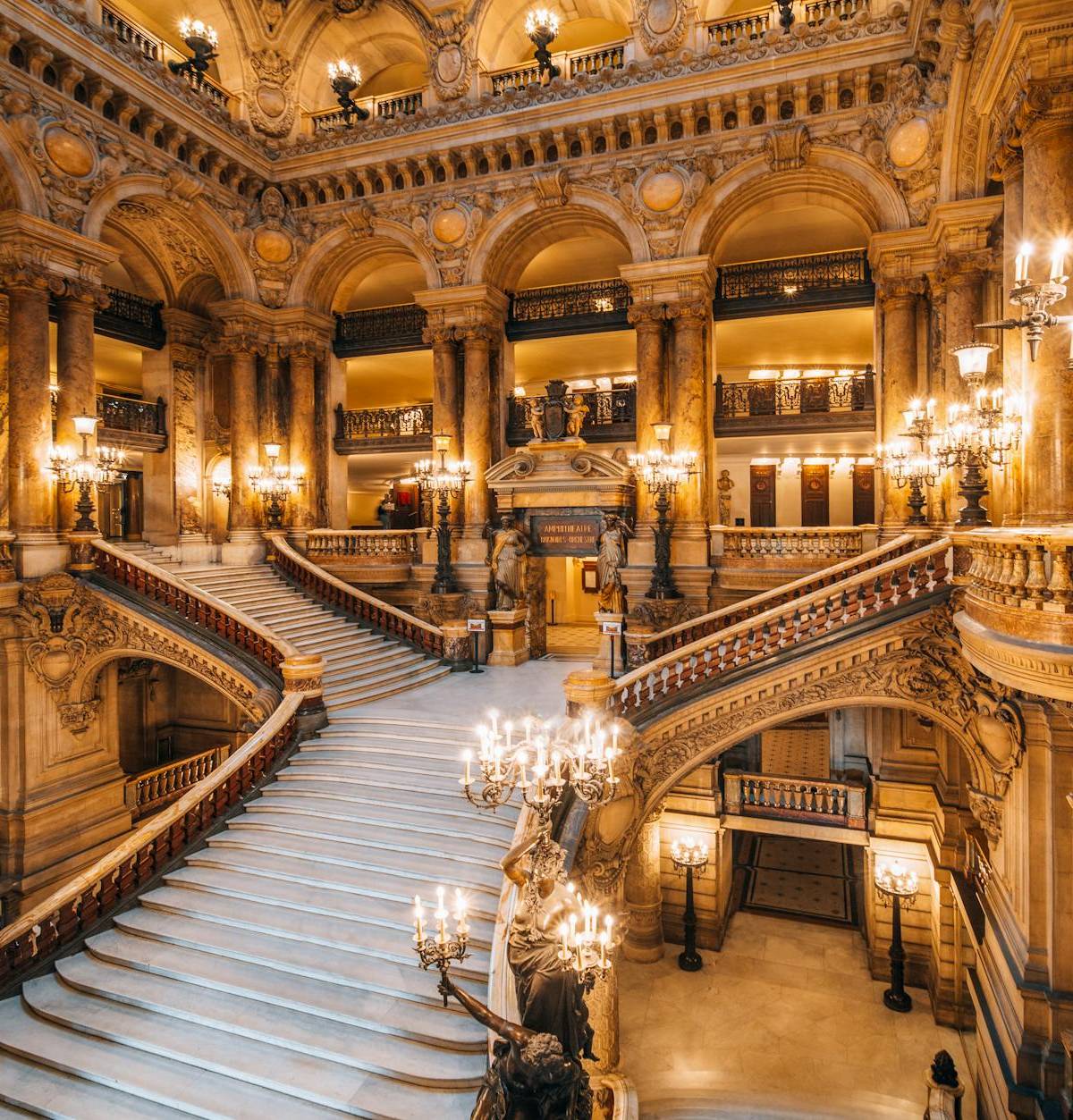
Arrive early—7:30 PM if the performance starts at 8. The grand staircase demands time. White and colored marble from seventeen different quarries, bronze torchères holding electric lights that replaced gas in 1881, balustrades sweeping up toward the foyer like architecture in motion. This was designed for grand entrances, for seeing and being seen. Watch the audience climb—the gowns, the suits, the particular energy of people dressing up for something that matters.
Chic Tip: The staircase photographs better from the first landing looking down than from the ground floor looking up. Wait until the crowd thins around 7:50 PM.
Chagall's Ceiling
In 1964, André Malraux commissioned Marc Chagall to paint the auditorium ceiling, which scandalized purists who thought modern art had no place in Garnier's Second Empire palace. The result—a dreamlike swirl of color celebrating fourteen operas and ballets—somehow works. During intermission, look up and find scenes from La Traviata, Giselle, The Magic Flute, all floating above the central chandelier that weighs six tons and holds 340 lights.
Chic Tip: Seats in the upper tiers offer the best ceiling views. Orchestra seats put you too close to appreciate Chagall's composition.
What to See
The opera season runs September through July. Ballet programming shares the stage. If you're choosing blind, pick ballet—the Palais Garnier was designed for dance, and watching bodies move through this gilded space feels right in ways opera sometimes doesn't. The acoustics favor intimacy over power, which means smaller productions often work better than Wagner.
Chic Tip: Category 4 and 5 seats—the cheapest—offer restricted views but cost €10-35 versus €100+ for premium orchestra. You're here for the building as much as the performance. Compromise strategically.
After the Curtain
The neighborhood empties fast after performances end around 10:30 PM. Walk Boulevard des Capucines toward Place de la Madeleine, passing the spot where the Lumière brothers premiered cinema in 1895 at the Grand Café. Or head to Café de la Paix across the street—expensive, touristy, but open late with views back toward the opera's illuminated facade.
Chic Tip: Book a window table at Café de la Paix before the show. They'll hold it for post-performance arrival, and ending your evening with champagne while looking at the building you just left creates a particular kind of symmetry.
Attending opera at Garnier requires knowing when to book, which seats deliver value, and how to navigate a building designed to intimidate first-timers. Those details separate tourists taking selfies in the lobby from people actually experiencing the space. We handle that calculus because architecture and performance deserve proper preparation. If that resonates, we're here.
Keep exploring: castles near Paris that rival Versailles · the five Statues of Liberty in Paris · Plan your Paris trip with a local
Get our free Insider Paris Guide: the neighborhoods, restaurants and hidden corners we send our own clients. No tourist traps, no filler.
Get the free guide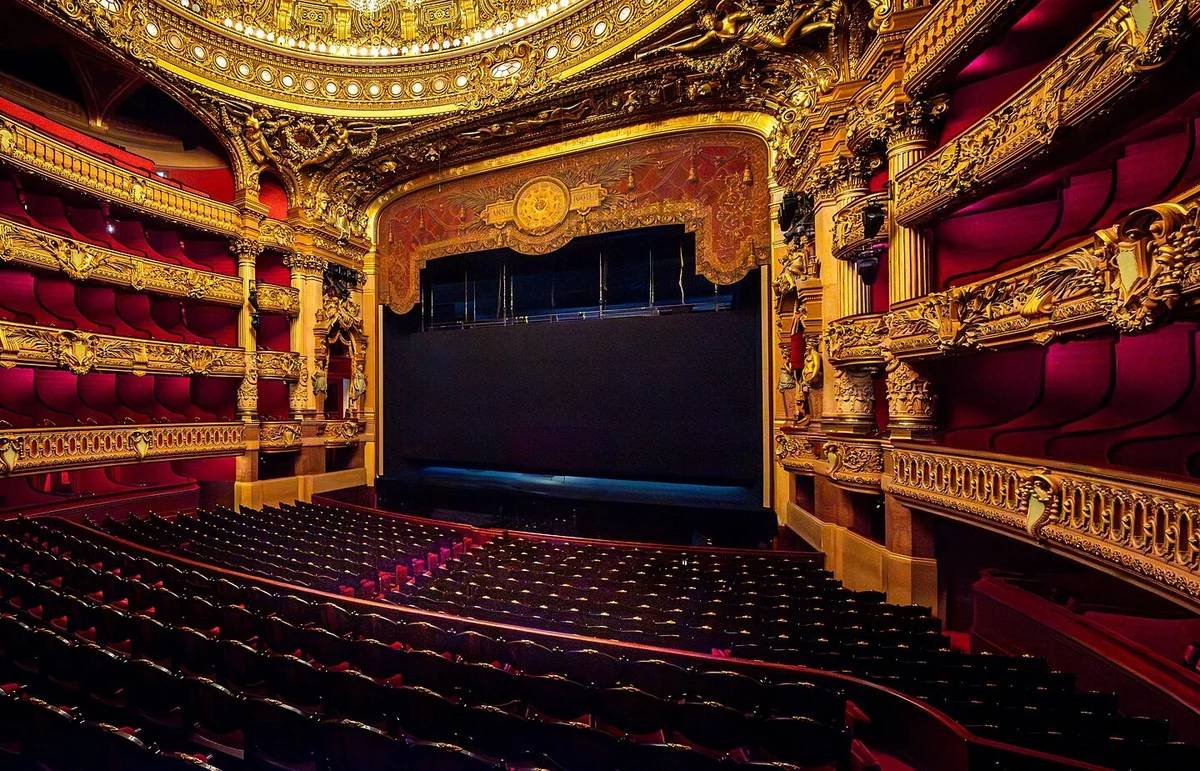
Ready to experience Paris for yourself? Plan Your Paris Trip with Chic Trip - a custom route, coordinated bookings and one accountable planner.
Planning your own Paris trip? Estimate your budget with the free Paris trip cost calculator, find out how many days you need in Paris, check when to book everything in Paris, or build a day-by-day plan with the Paris itinerary planner.
About Chic Trip
A journey designed exclusively for you: a personal itinerary, restaurant recommendations refined with your feedback, approved reservations and practical details in the Chic Trip app. Your written proposal confirms the total, inclusions and booking conditions before you commit. Start with a free call or email; no payment or price acceptance is required to enquire.