What to Pack for Paris: A Season-by-Season Style Guide
Itinerary and planning 9 min read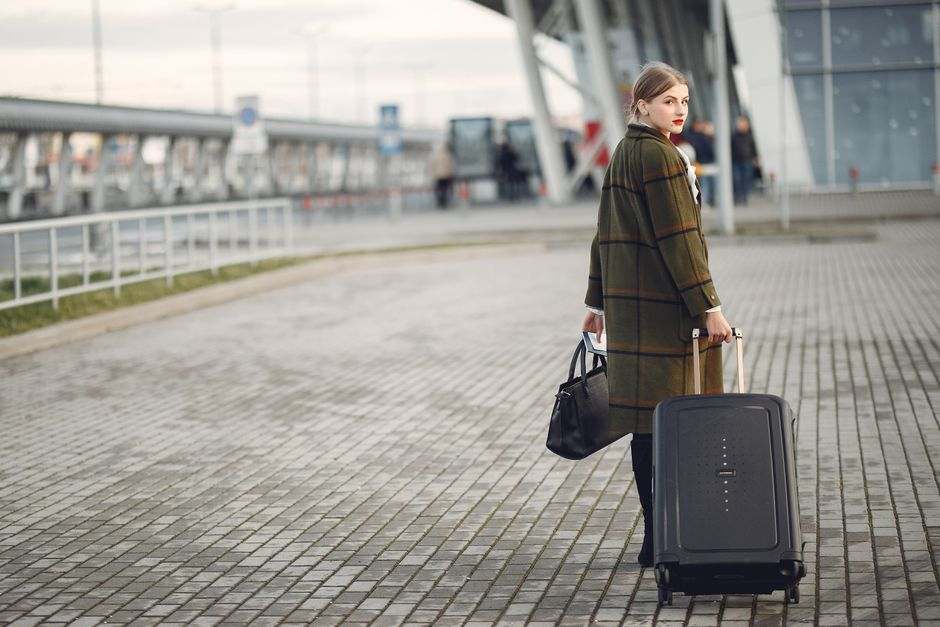
Quick answer
Pack smarter for Paris with this season-by-season guide covering exactly what to wear, how to blend in with locals, and what to leave behind.
Nothing signals "tourist" in Paris faster than a fanny pack, white sneakers, and a fleece vest, and nothing derails a trip faster than showing up in July with a suitcase full of sweaters or in October with sandals and a sundress. Parisians dress with intention, and so should you. This guide cuts straight to the practical: what to pack for each season, how to dress so you look like you belong, and which beloved American travel staples are better left at home.
How Parisians Actually Dress (And Why It Matters)
Before we get into season-specific lists, understand the core Parisian aesthetic: it is built on restraint, fit, and quality over quantity. A Parisian woman might wear the same well-cut trench coat four days in a row without apology. A Parisian man in a slim-fit blazer and dark jeans at a brasserie is not overdressed, he is simply dressed. The formula favors neutral colors, classic silhouettes, and natural fabrics. Loud logos, oversized graphic tees, and anything that reads as costume or uniform, including matching athleisure sets worn outside the gym, tend to stand out immediately. You do not need to overhaul your wardrobe. You need to edit it and pack smarter.
Spring Packing List (March through May)
Paris in spring is frequently misrepresented in travel content as all cherry blossoms and café terraces in shirtsleeves. The reality is more layered. March can feel like a continuation of winter, with temperatures ranging from the mid-40s to low 60s Fahrenheit. April and May warm up but remain unpredictable, with rain arriving without warning. Pack for a 45-to-65-degree range and plan for frequent transitions between cool mornings and warmer afternoons.
Your foundation pieces should include two to three lightweight merino wool or cotton crewneck sweaters in muted tones such as camel, navy, or ivory. Add a light mid-layer, a structured blazer or a fine-knit cardigan works well, that you can tie over your shoulders when the afternoon warms. A trench coat is not a cliché here, it is genuinely the right tool for the season and doubles as rain protection. Bring one pair of dark slim-fit jeans and one pair of tailored trousers. A simple silk or satin blouse in a soft color adds versatility across both casual and dinner settings. For shoes, a pair of clean white or cream leather low-top sneakers works for daytime, but add one pair of comfortable leather loafers or ankle boots for evenings. Bring a compact, packable umbrella rather than a hood-heavy rain jacket. Scarves remain relevant through May, and a lightweight linen-cotton blend scarf serves double duty as warmth and polish.
Summer Packing List (June through August)
Paris summers average in the upper 70s to mid-80s Fahrenheit, occasionally spiking into the 90s during heat waves, which have become more common in recent years. Critically, most Parisian apartments, small hotels, and many restaurants lack air conditioning, so what you wear at night matters as much as what you wear during the day.
Prioritize breathable natural fabrics: linen, light cotton, and viscose. A linen button-down shirt, in white or a soft stripe, is the most versatile piece you can bring for men, suitable for everything from the Marché d'Aligre on a Sunday morning to dinner at a Michelin-listed bistro when paired with tailored chinos. Women should consider a lightweight wrap dress or a midi skirt with a tucked blouse, both of which read as appropriately dressed for the range of settings you will encounter from gallery visits to evening wine bars. Bring a lightweight blazer or a denim jacket for cooler evenings and for dining rooms where the AC actually does exist.
Footwear in summer should include comfortable leather sandals, not foam flip-flops, and one pair of walking shoes that do not scream athletic. Paris involves serious walking, sometimes eight to ten miles a day, so prioritize fit and break in any new shoes before you leave. Avoid packing too many items: five to six tops, two bottoms, one dress or equivalent, one layer, and two shoe options is genuinely sufficient for a week.
Fall Packing List (September through November)
September is the sweet spot of the Parisian calendar. The summer crowds thin, the light turns golden, and temperatures hover in the 60s before cooling through October into the 50s and eventually the low 40s by November. This is also fashion week season in September, which means the city is sharper and more style-conscious than usual.
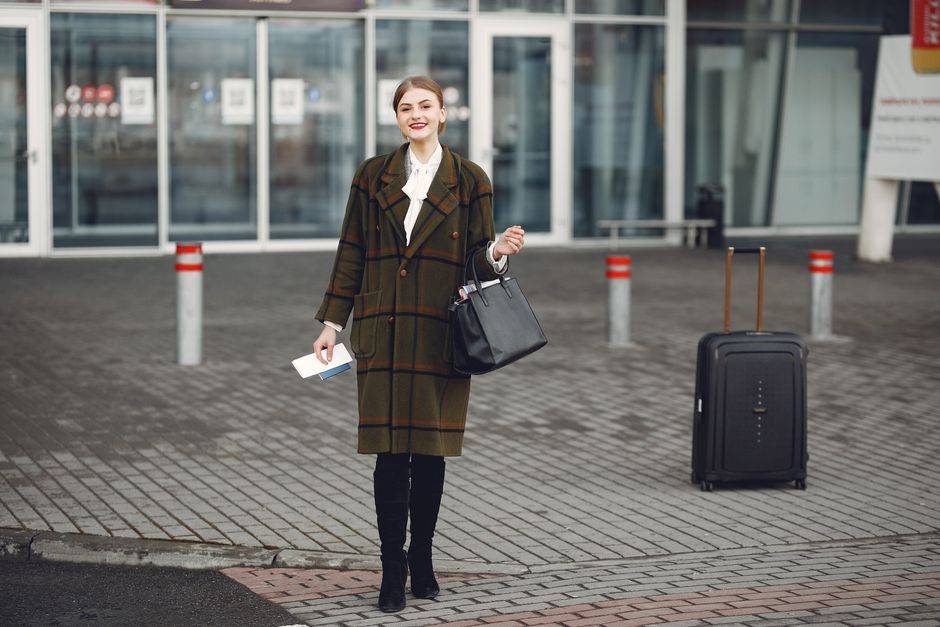
A medium-weight wool coat is the single most important item for a fall trip. It does not need to be expensive, but it should be well-fitted and in a solid, neutral color: camel, charcoal, navy, or black. Underneath, layer thin merino turtlenecks or fitted crewnecks. Dark denim or tailored wool trousers in charcoal or olive work across all settings. Add ankle boots with a modest heel for women or Chelsea boots for men, both of which are ubiquitous among locals and handle the variable terrain of cobblestones and metro stairs reasonably well. A structured leather or canvas tote replaces any kind of backpack for daytime errands and museum visits. Pack one knit beanie for November trips, worn in Paris without any self-consciousness by everyone from students to retirees.
Winter Packing List (December through February)
Paris winters are damp and gray more than bitterly cold. Temperatures typically range from the mid-30s to the low 50s, but the humidity makes it feel colder than the number suggests. Prioritize warmth through layers rather than one single heavy coat, which will feel oppressive indoors and in the metro.
Start with a thermal or merino wool base layer, a fitted long-sleeve top that can be worn alone or under heavier pieces. Add a chunky knit sweater and then your coat on top. A long wool or cashmere overcoat with a classic silhouette is ideal, and if you are buying one specifically for this trip, consider it an investment you will wear for years. Waterproof leather gloves, a wool scarf, and a fitted wool hat round out your cold-weather kit. For pants, dark jeans or slim-fit wool trousers with a slight structure hold up better in wet weather than softer fabrics. Shoes should be leather or leather-look with some water resistance: a clean lace-up boot or a sleek ankle boot with a rubber sole handles rain and cobblestones without looking like hiking gear.
What to Leave at Home
This section deserves as much attention as the packing lists because the wrong items will undercut every right choice you make. Leave your white athletic socks at home and replace them with ankle or no-show socks in black, navy, or skin tone. Leave any shoe that has a thick, foam platform or prominent athletic branding, Parisians wear sneakers, but they are clean, simple, and low-profile. Leave your college sweatshirt, your baseball cap worn during anything other than an outdoor sporting event, and your nylon travel vest with 14 pockets.
Skip packing bulky travel pillows or overstuffed carry-ons that mark you as someone who did not curate their trip. If you are arriving in summer, do not bring a heavy hoodie as your primary layer, it reads as underprepared. And unless you are attending a formal gala, a tuxedo or ballgown is overkill for even the fanciest Paris dinner reservations, smart casual to business casual covers virtually every restaurant experience you will have.
Bags and Accessories: The Parisian Edit
Your bag choice matters more than most Americans expect. A large backpack, even a stylish one, immediately reads as tourist and also makes you a pickpocket target in crowded areas like the Champs-Élysées and the metro. Instead, use a structured leather tote, a crossbody bag worn across the front of your body, or a small backpack that sits high and close. For evenings, a simple clutch or a small shoulder bag in leather or suede is the right scale.
Jewelry should be understated. One good watch, simple gold or silver earrings, and a fine chain necklace are more than enough. Leave statement costume jewelry at home. Sunglasses are essential in summer and fall, and a classic frame in tortoise, black, or metal is more versatile than a novelty shape. A quality leather belt that matches your shoes closes the loop on a polished look with minimal effort.
The Paris Color Palette
This is a small point that makes a disproportionate difference. The Parisian palette skews toward neutrals: black, white, ivory, navy, camel, olive, burgundy, and earthy terracotta in fall. Patterned pieces tend to be subtle, a fine stripe, a small check, or a classic print rather than loud tropical or graphic patterns. If you pack in neutrals and one or two tonal accent colors that coordinate with everything else, you will automatically look more put-together and your packing will be more efficient because every piece will work with every other piece.
One Bag, One Week: How to Actually Pack Light
The most practical advice for any Paris trip is to pack in a carry-on only if at all possible, and to build your wardrobe around a capsule of interchangeable pieces. Choose one shoe for daytime and one for evening. Choose bottoms that work across multiple tops. Choose one layer that works across multiple outfits. Doing your laundry mid-trip at a laverie automatique, a self-service laundromat, is easy, affordable, and common, and it frees you from checking a bag. Most Parisian neighborhoods have at least one within a few blocks, and the process takes under two hours including drying time. This single habit changes the calculus of what you need to bring entirely and lets you travel with far less friction from start to finish.
Keep exploring: a romantic Paris guide for couples · Disneyland Paris vs Parc Asterix · Plan your Paris trip with a local
Get our free Insider Paris Guide: the neighborhoods, restaurants and hidden corners we send our own clients. No tourist traps, no filler.
Get the free guide
Ready to experience Paris for yourself? Plan Your Paris Trip with Chic Trip - a custom route, coordinated bookings and one accountable planner.
Planning your own Paris trip? Estimate your budget with the free Paris trip cost calculator, find out how many days you need in Paris, check when to book everything in Paris, or build a day-by-day plan with the Paris itinerary planner.
About Chic Trip
A journey designed exclusively for you: a personal itinerary, restaurant recommendations refined with your feedback, approved reservations and practical details in the Chic Trip app. Your written proposal confirms the total, inclusions and booking conditions before you commit. Start with a free call or email; no payment or price acceptance is required to enquire.