Paris in Winter: The Insider Guide for American Travellers
Itinerary and planning 9 min read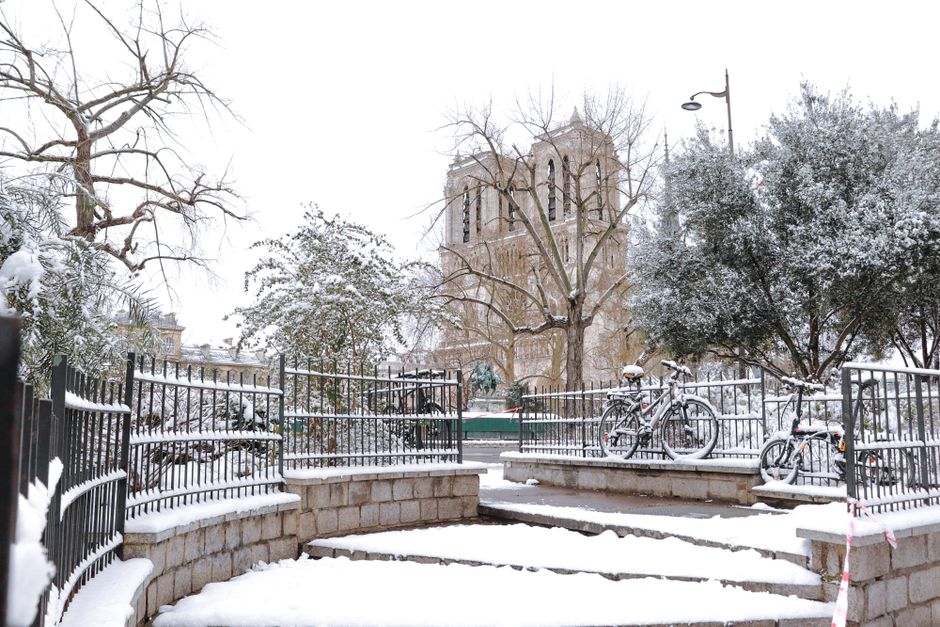
Quick answer
Winter is arguably the smartest time an American can visit Paris, with shorter lines, lower fares, festive markets, and a city that feels genuinely lived-in rather than overrun.
Most Americans who dream of Paris picture it in June, with long golden evenings and café terraces spilling onto sun-warmed cobblestones. That Paris is real and wonderful, and it is also packed with roughly 1.7 million tourists per month. The winter version of the city, running from late November through February, is a quieter, more affordable, more intimate proposition. Hotel rates drop by as much as 30 to 40 percent compared to peak summer, the Louvre's queues shrink to a fraction of their July length, and the city drapes itself in lights and greenery that make even a grey Tuesday afternoon feel cinematic. If you are willing to layer up and embrace a bit of chill, Paris in winter rewards you with an experience that feels closer to what Parisians actually live than what most visitors ever get to see.
What the Weather Actually Feels Like
Paris sits at roughly the same latitude as Quebec City, but its Atlantic-influenced climate keeps temperatures far milder than that comparison suggests. From late November through February, daytime highs typically range between 40°F and 50°F (4°C to 10°C), dropping to the low 30s°F (around 0°C to 2°C) overnight. Snow is possible but genuinely rare, maybe one or two dustings per winter on average, and they rarely stick. What you will encounter far more often is persistent damp grey skies, occasional drizzle, and a bone-chilling wind that picks up along the Seine and through the open boulevards. The cold is not brutal by Chicago or Minneapolis standards, but it is the damp, seeping kind that requires more thoughtful layering than a simple down coat.
December is the festive season; January and February suit a more indoor-focused trip. Christmas, New Year, school holidays and major events can still be busy. Check the year’s official winter-sales dates rather than assuming they begin in February, and reserve any restaurant that matters to your trip.
Navigating the Christmas Markets
The Tuileries Christmas fair is a recurring central Paris option, not the former long market along the Champs-Élysées. Check the current season’s official listings before fixing dates: the lights on the Champs-Élysées and a Christmas market are different attractions. Allow for weekend crowds and choose your visit around your family’s tolerance for busy fairground spaces.
La Défense and Saint-Germain-des-Prés are other recurring market locations to check in the current Paris Christmas program. They offer different settings, so choose one that fits the rest of your day instead of crossing the city for an assumed market. Confirm that it is running on your date, plan the actual transit route and check stall prices before ordering.
The Crowd Advantage: Museums and Monuments
Winter can make a museum-focused trip appealing, but it does not guarantee short queues or empty galleries. Reserve the Louvre time slot that fits your day and choose a focused route through the collection. The museum closes on Tuesdays; allow time for security in every season.
Orsay and Versailles remain worthwhile winter visits, with more time spent indoors and less emphasis on garden flowers. Both close on Mondays. At Versailles, check which parts of the estate are included and which garden events are operating on your date. Leave time for security and cloakrooms rather than building the day around an assumed empty museum.
For the Eiffel Tower, check the official calendar and the level included in your ticket. Weather and maintenance can affect access, particularly to the summit in winter. An evening visit can be beautiful, but lift and security waits are not predictable from the month alone.
Eating and Drinking Well in Winter
Winter is genuinely one of the best seasons to eat in Paris. The city's bistro culture, built around rich, slow-cooked dishes, is in full expression from November through February. Look for pot-au-feu (a slow-simmered beef and vegetable broth dish), cassoulet (white bean and confit duck stew from the southwest), sole meunière, and cheese-laden gratins on seasonal menus. Look at the actual seasonal menu: some of these classics are served year-round.
Brasseries, which are open all day and do not require reservations in the way that smaller bistros do, are ideal winter anchors. Brasserie Lipp on Boulevard Saint-Germain, Bofinger near the Place de la Bastille, and La Coupole in Montparnasse are all historic, atmospheric, and welcoming to walk-ins during the quieter winter months. For something more intimate, neighborhood bistros in the 11th arrondissement (around Oberkampf and Parmentier) and the 9th arrondissement (near the Martyrs market street) offer excellent value set lunch menus, typically two or three courses for 18 to 25 euros, that are among the best value meals you will find in any major Western European city.
Warming drinks matter in winter Paris. Beyond the vin chaud at the markets, pop into any café for a café crème in the morning or a chocolat chaud (hot chocolate) in the afternoon. Angelina on Rue de Rivoli serves what is widely considered the definitive Parisian hot chocolate, thick and almost ganache-like, and winter queues here are a fraction of their summer length.
Festive Events Beyond the Markets
Paris programs a significant range of cultural events through the winter months that most American visitors overlook entirely. The city's concert halls, including the Philharmonie de Paris in the 19th arrondissement and the Salle Pleyel, run full orchestral and chamber music seasons. Tickets for many performances are available for 20 to 60 euros, sometimes less than the cost of a similar performance at Carnegie Hall. Check the Philharmonie de Paris website and book before you leave home, as popular weekend programs do sell out.
Galeries Lafayette and Printemps on Boulevard Haussmann install elaborate Christmas window displays from mid-November through late December that are genuine art installations and free to walk past. The rooftop of Galeries Lafayette is free to access and offers a panoramic view of Haussmann's Paris that rivals many paid viewpoints. January brings the Haute Couture shows, which are closed to the public but transform the Marais and Saint-Germain neighborhoods with an elevated energy and an influx of the global fashion industry that is entertaining simply to observe from street level.
Getting Around in Winter Conditions
The Paris Métro is your best friend in winter, full stop. It is warm, frequent, and almost entirely weather-proof. For occasional journeys, load Metro-Train-RER tickets onto a Navigo Easy card or a compatible phone. The 2026 full fare is €2.55 per journey, excluding airport stations. Bus-Tram tickets are separate. Each traveler needs their own ticket medium; a bank card alone does not open the metro gates. Walking between attractions is still very much a Paris tradition, but in cold or wet weather, a Vélib bike rental (the city's public bike-share system) is less practical, and you should default to the Métro or a bus instead.
For Versailles, compare the current rail routes from your hotel and check engineering works before leaving. For CDG, the RER B uses the €14 full-fare Paris Region Airports ticket in 2026. A licensed taxi or a pre-booked arrival meet-and-greet can be a sensible comfort choice with luggage or reduced mobility; confirm the full route, pickup and price rather than choosing on fare alone.
What to Pack: A Precise Winter List
Packing for Paris in winter requires thinking in functional layers rather than simply throwing in your heaviest coat. The goal is to be comfortable moving from a heated museum or restaurant interior to a 38°F street and back again without overheating or freezing. Here is what actually works.
Start with a mid-weight merino wool base layer on top, which insulates without bulk and does not smell after a day of walking. Over that, a fleece or light down vest gives core warmth without restricting arm movement. Your outer layer should be a mid-length wool or wool-blend coat rather than a bulky ski jacket. Parisians do not wear ski gear in the city, and a tailored wool coat is both more practical for layering and more appropriate for nicer restaurants. Bring a packable down puffer jacket as a middle layer option for the coldest days, specifically January and early February nights.
Footwear is critical and frequently where American visitors go wrong. Leave the white sneakers at home. Waterproof leather ankle boots or Chelsea boots with a rubber sole handle cobblestones and wet pavements well, provide enough ankle coverage to stay warm, and look appropriate from casual to smart-casual settings. Pack two pairs and alternate them to allow drying time between wears. Wool socks, at least three pairs, are non-negotiable.
Accessories carry a disproportionate amount of warmth-to-weight value. A wool or cashmere scarf, a fitted knit hat, and thin leather or wool-lined gloves add very little to your luggage and make a decisive difference when the wind picks up along the Seine. A compact, windproof umbrella is worth bringing since Paris drizzle is frequent and the city's wide boulevards offer limited natural shelter.
Finally, pack a small crossbody bag or a structured tote rather than a backpack. Winter coats make backpacks awkward and uncomfortably warm against your back. A crossbody keeps essentials accessible while walking, and Paris has enough petty theft in tourist areas that keeping your bag in front of you is simply good practice regardless of season.
Practical Booking and Budgeting Advice
Compare live flight and hotel quotes for your dates, including baggage, cancellation terms, room category and taxes. Winter is not a guarantee of low prices: holiday periods, events and availability matter. Choose a hotel by the journeys you will actually make and do not assume one weekday always produces the lowest airfare.
For the Paris Museum Pass, compare the individual tickets your party needs after any exemptions. Prices checked in September 2026 are €85 for 48 hours, €105 for 96 hours and €125 for 144 hours, starting with the first visit. Required timed reservations and security checks still apply. The Centre Pompidou main building is closed for renovation and should not be counted in the calculation.
Set a daily cash budget of around 50 to 75 euros per person for incidentals, market purchases, café stops, and small purchases, in addition to your main meals. Many Christmas market vendors and smaller boutiques remain cash-preferred, and while tap-to-pay with American Visa and Mastercard cards works at most restaurants and shops, having euros in your wallet prevents friction at the moments when you most want to be spontaneous.
Keep exploring: 15 hidden gems most tourists miss · the 10 best restaurants in Paris · Plan your Paris trip with a local
Get our free Insider Paris Guide: the neighborhoods, restaurants and hidden corners we send our own clients. No tourist traps, no filler.
Get the free guide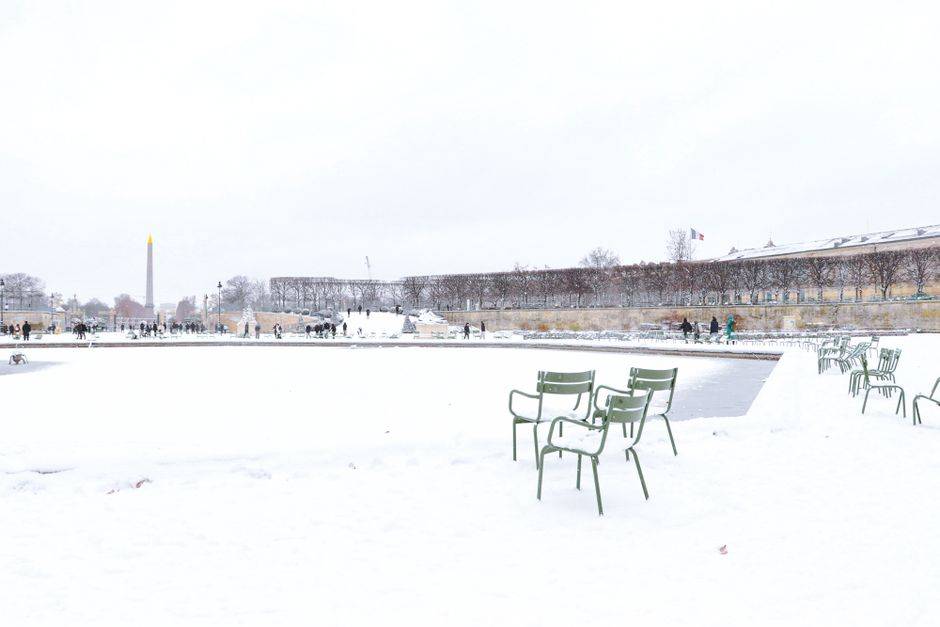
Ready to experience Paris for yourself? Plan Your Paris Trip with Chic Trip - a custom route, coordinated bookings and one accountable planner.
Planning your own Paris trip? Estimate your budget with the free Paris trip cost calculator, find out how many days you need in Paris, check when to book everything in Paris, or build a day-by-day plan with the Paris itinerary planner.
About Chic Trip
A journey designed exclusively for you: a personal itinerary, restaurant recommendations refined with your feedback, approved reservations and practical details in the Chic Trip app. Your written proposal confirms the total, inclusions and booking conditions before you commit. Start with a free call or email; no payment or price acceptance is required to enquire.