Best Paris Museums: Skip the Lines at Louvre, Orsay & Orangerie
Itinerary and planning 10 min read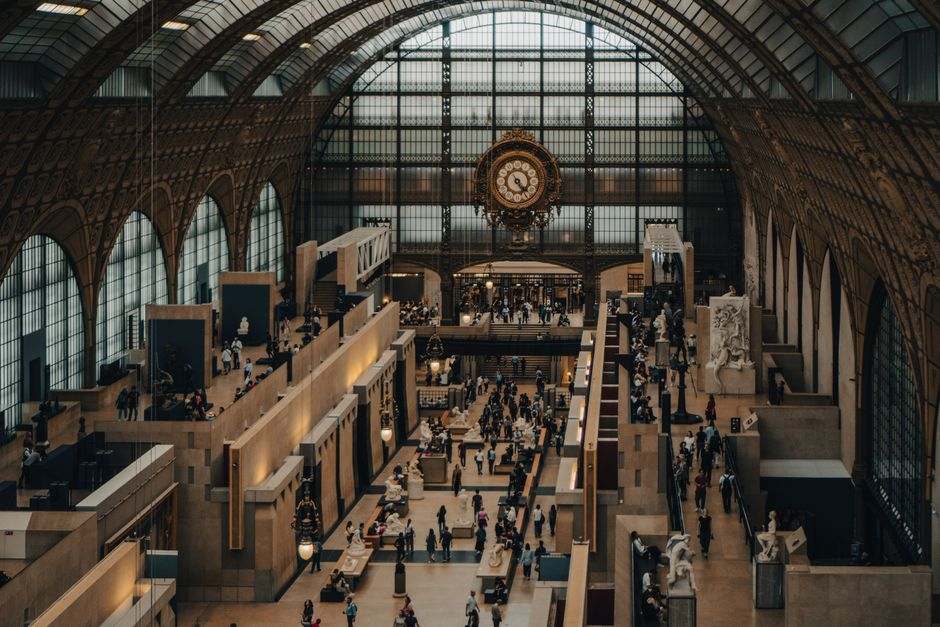
Quick answer
A no-nonsense guide to visiting the Louvre, Musée d'Orsay, and Orangerie, with real strategies for skipping lines, saving money, and spending your time wisely.
Paris has over 130 museums, but most first-time American visitors, and plenty of return visitors, spend the bulk of their cultural time in three: the Louvre, the Musée d'Orsay, and the Musée de l'Orangerie. These three institutions form a loose triangle along the Seine and together cover Western art from antiquity through the early twentieth century. A well-planned two-day museum route can reduce unnecessary waiting, but timed tickets and passes do not eliminate queues. Done wrong, you can waste an entire morning in a queue before you've even seen a painting. This guide is about doing it right.
Understanding What Each Museum Actually Offers
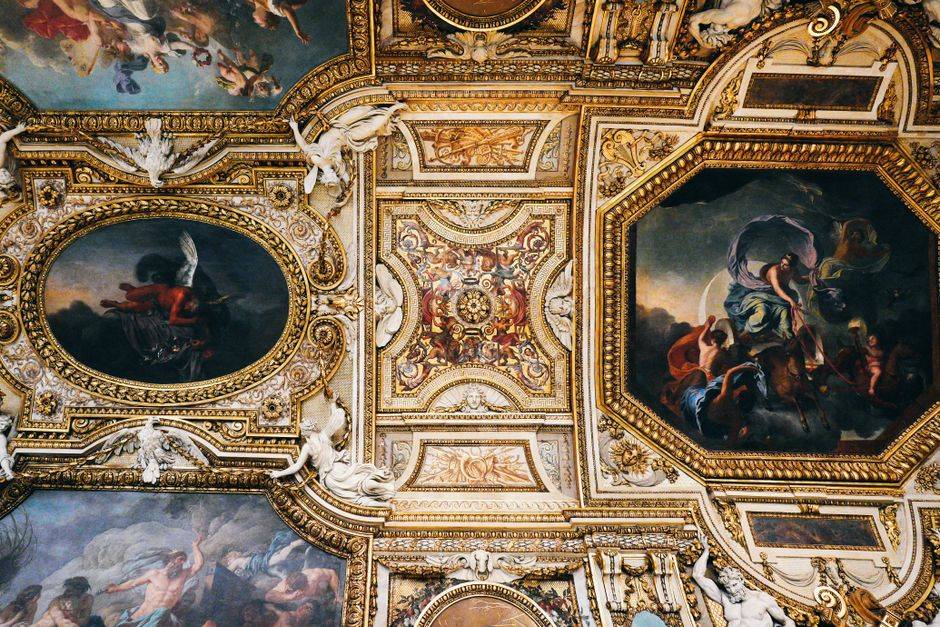
Before you book anything, get clear on what you're walking into. The Louvre is enormous, covering roughly 650,000 square feet of gallery space across three wings: Richelieu, Sully, and Denon. It holds approximately 35,000 works on display at any given time, spanning ancient Egypt, Greece, Rome, Islamic art, European painting, and sculpture. You cannot see it all in one visit. No one can. Americans tend to beeline for the Mona Lisa, the Venus de Milo, and the Winged Victory of Samothrace, all of which are genuinely worth seeing, but the Louvre's Dutch and Flemish galleries, its Mesopotamian antiquities, and the Napoleon III apartments are just as extraordinary and far less crowded.
The Musée d'Orsay is housed in a converted Beaux-Arts railway station on the Left Bank and focuses almost entirely on art from 1848 to 1914. This is where you find the world's greatest collection of Impressionist and Post-Impressionist painting: Monet, Renoir, Degas, Van Gogh, Cézanne, Gauguin, Seurat. For many visitors, the Orsay is emotionally the most satisfying of the three because it is manageable in scale and the collection is immediately accessible.
The Orangerie sits at the western end of the Tuileries Garden and is anchored by Monet's eight monumental Water Lilies panels, installed in two oval rooms that Monet himself designed as a meditative space. Beyond the Nymphéas, the Orangerie holds an underrated collection of works by Cézanne, Matisse, Picasso, Rousseau, and Soutine. It is the smallest of the three and the most peaceful. Plan about ninety minutes here, longer if Monet moves you.
The Paris Museum Pass: Is It Worth It for Americans?
The Paris Museum Pass covers one visit to each included site, subject to reservations and admission rules. The official prices checked in September 2026 are €85 for 48 hours, €105 for 96 hours and €125 for 144 hours. Validity begins at the first visit and is measured in consecutive hours, not calendar days.
Compare the pass with the tickets your party would actually buy, after any age or residency exemptions. The Louvre now distinguishes EEA and non-EEA eligibility; do not use its lower tariff for every US visitor. A pass does not remove security checks or reserve a time slot for you. The Centre Pompidou main building is closed for renovation and must not be counted as an available museum visit.
One important caveat: the Paris Museum Pass covers admission but does not always include temporary or special exhibitions, which carry a separate surcharge. Check what's on before you visit and budget accordingly if you want to see a ticketed special show.
How to Actually Skip the Line at the Louvre
For a normal individual visit, use the entrance assigned to your ticket and the current Louvre access map. The Pyramid has designated lines, and the Carrousel is another access for ticket holders. Passage Richelieu is reserved for specified groups, activities and card holders; an ordinary timed ticket or Museum Pass alone does not grant access. Security checks and queues can remain at every entrance.
Reserve an available timed entry through the official Louvre ticket office before fixing the rest of your day. The museum is closed on Tuesdays. Its normal hours are 9 a.m. to 6 p.m., with Wednesday and Friday evenings until 9 p.m. Last admission is one hour before closing and galleries start clearing 30 minutes before closing. An evening visit can suit your schedule, but no time guarantees empty rooms.
Timing the Musée d'Orsay Correctly
The Orsay is open Tuesday through Sunday and closes on Mondays. It opens at 9:30 a.m. and closes at 6 p.m., with Thursday hours extended until 9:45 p.m. The Thursday evening visit follows exactly the same logic as the Louvre's late nights: crowds thin, the atmosphere softens, and you can stand in front of a Van Gogh self-portrait without a tour group materializing around you.
Use Orsay's current entrance instructions rather than an old lettered-door shortcut. The museum lists Entrance 1 on the quay for timed-ticket visitors, including Museum Pass holders with the required timed reservation. Other visitor categories have different access arrangements. Online and on-site prices can differ, and a timed reservation does not remove security screening.
Where to focus inside: the Impressionist galleries are on the top floor, and most visitors go straight up, which means those rooms are busy from opening. A counter-intuitive approach is to start on the ground floor with the academic and Realist works, then move to the middle level for the decorative arts and Art Nouveau rooms, and arrive at the Impressionist floor after 11:30 a.m. when the initial rush has dispersed. The rooftop café, accessible from the fifth floor, has views over the Seine that warrant a coffee break mid-visit.
The Orangerie: Least Lines, Most Impact
Reserve the Orangerie time slot required for your ticket category, including any applicable pass-holder reservation. It is a small museum and can fill quickly; do not assume that owning a Museum Pass lets you walk straight in.
The Orangerie normally opens from 9 a.m. to 6 p.m. and closes on Tuesdays. Check holiday exceptions before booking. Visit the Water Lilies rooms without rushing, then explore the rest of the collection. Follow the museum plan rather than assuming that all collections are on the same level.
Sequencing Your Museum Days
If you have two full days for museums, here is a practical sequence that works well for most visitors. Day one: start at the Louvre at 9 a.m. via the Carrousel entrance, spend three to four hours focusing on a pre-selected set of galleries rather than attempting comprehensive coverage, then walk through the Tuileries Garden to the Orangerie for a 90-minute afternoon visit. This pairing works geographically and tonally: the scale of the Louvre followed by the intimacy of the Orangerie makes for a satisfying arc.
Day two: the Orsay, ideally on a Thursday so you can opt for the evening session if your energy holds. If you also have the Palace of Versailles on your itinerary, put it on a different day entirely. Versailles requires its own full day and is logistically separate from the Paris museum circuit.
For visitors with only one day, a compressed version is possible: Louvre morning via early entry, Orangerie early afternoon (it is a 15-minute walk through the Tuileries), and Orsay late afternoon with a Thursday evening extension. This is a long day and requires disciplined time management inside each museum, but it is doable and many visitors find it deeply satisfying.
Free Entry Days and Who Qualifies
Free entry is not the same at every museum. The Louvre's general free evening is the first Friday after 6 p.m., except July and August; it is also free on 14 July. Orsay and the Orangerie have first-Sunday offers with their own reservation conditions. Under-18s of all nationalities qualify for free admission to these museums, so do not buy adult passes for children without checking their eligibility.
For visitors aged 18 to 25, nationality or qualifying residency matters; an American student card alone does not establish a universal discount. Check each museum’s official exemption list, carry the required proof and reserve any necessary free timed ticket. Other professional or disability exemptions also have specific conditions.
What to Prioritize Inside Each Museum
At the Louvre, accept that you are curating your own experience. Pick five to eight rooms or galleries to anchor your visit before you arrive, and download the museum plan from the Louvre's official website before your visit. Denon Wing Room 711 holds the Mona Lisa, which is smaller than most visitors expect and behind thick glass with a crowd barrier, so manage expectations. The Winged Victory of Samothrace at the top of the Daru staircase is genuinely breathtaking and the room around it is often less crowded. The grande galerie in Denon, with its sequence of Italian Renaissance paintings, rewards slow walking and is underappreciated by visitors fixated on getting to the Mona Lisa.
At the Orsay, the Van Gogh room on the top floor consistently stops people in their tracks. The Bedroom in Arles, the Self-Portrait, Starry Night Over the Rhône, these are works most Americans know only from prints, and seeing the actual brushwork and scale recalibrates everything. Degas's dancer sculptures on the middle level are another highlight that visitors often underestimate. Budget time for the ballroom-scale gallery on the ground floor featuring Courbet's massive realist canvases, including The Painter's Studio, which at roughly 19 by 12 feet is one of the most ambitious paintings of the nineteenth century.
At the Orangerie, beyond the Water Lilies, make a point of spending time with the Walter-Guillaume collection beyond the Water Lilies rooms. It includes significant Cézanne still lifes, early Matisse paintings, Picasso's works from multiple periods, and Henri Rousseau's The Wedding, a painting that is charming, strange, and impossible to forget. Allow time for both parts of the museum rather than leaving straight after Monet.
Practical Logistics Worth Knowing
Security screening at all three museums has tightened in recent years, and bags are searched on entry. Large backpacks must be checked at the coat check, which is free but can add five to ten minutes to your entry process. Wear comfortable shoes without question, the Louvre's marble floors are punishing after two hours. All three museums have cafés and restaurants inside, but quality varies considerably and prices are high. The Orsay's main restaurant on the middle level, set inside the original hotel dining room of the Gare d'Orsay, is worth a reservation for lunch if you want a genuinely beautiful room. The Louvre Café Mollien in the Denon Wing is a reasonable mid-visit stop. The Orangerie's café is small but adequate.
Follow the photography signs in each room: temporary exhibitions or individual works can have restrictions. Both the Louvre and Orsay offer official audioguides; check the current product and price when reserving. Keep any audio private and follow staff instructions.
Paris's RER C train stops directly at Musée d'Orsay station, making the Orsay the easiest of the three to reach by transit. The Louvre has its own metro stop, Palais Royal-Musée du Louvre on lines 1 and 7, with direct access to the Carrousel entrance. The Orangerie is a short walk from Concorde station on lines 1, 8, and 12. Taxis and rideshares are viable but traffic around the Tuileries axis can be slow during peak hours.
Keep exploring: planning Paris and Rome together · a romantic Paris guide for couples · Plan your Paris trip with a local
See how Chic Trip builds the itinerary, coordinates restaurants, timed tickets and transfers, and keeps every price clear before booking.
Plan my trip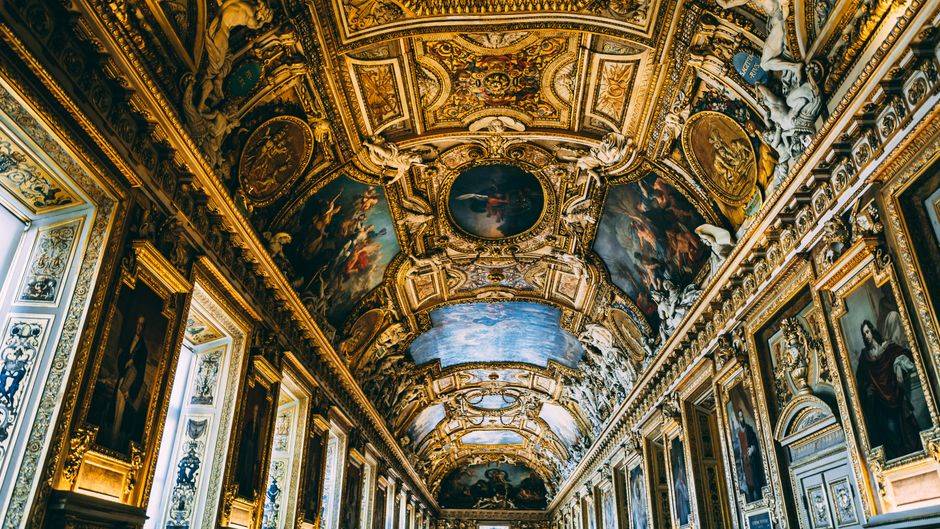
Ready to experience Paris for yourself? Plan Your Paris Trip with Chic Trip - a custom route, coordinated bookings and one accountable planner.
Planning your own Paris trip? Estimate your budget with the free Paris trip cost calculator, find out how many days you need in Paris, check when to book everything in Paris, or build a day-by-day plan with the Paris itinerary planner.
About Chic Trip
A journey designed exclusively for you: a personal itinerary, restaurant recommendations refined with your feedback, approved reservations and practical details in the Chic Trip app. Your written proposal confirms the total, inclusions and booking conditions before you commit. Start with a free call or email; no payment or price acceptance is required to enquire.