How to Plan the Perfect Paris and Rome Trip: Complete 2026 Guide
Itinerary and planning 7 min read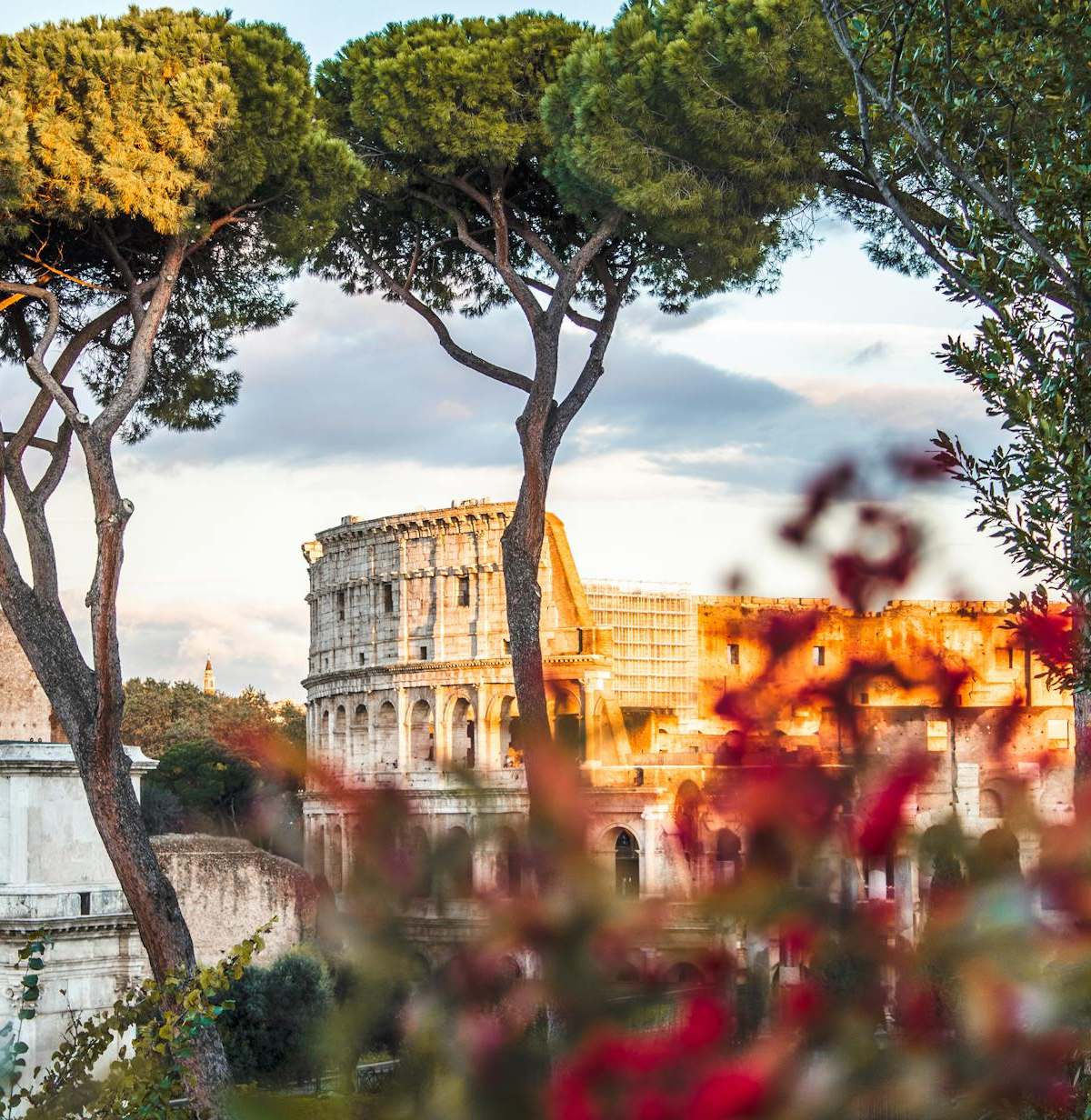
Quick answer
Master your luxury Paris and Rome adventure with this 2026 guide. Discover optimal timing like spring blooms and September serenity, ideal 10-12 day itineraries, and insider tips to sidestep crowds...
Two cities, one trip. It sounds simple until you're staring at a spreadsheet with seventeen open tabs about train schedules and wondering if five days in Paris is enough or too much. Here's what actually matters when you're planning Paris and Rome together—not the theoretical perfect itinerary, but the one that works when you're jet-lagged, your museum reservation system crashes, and it's raining in the Trastevere.
When to Go (and When Definitely Not To)
April through June, then September through October. That's the short answer. Spring gives you 12-22°C temperatures, blooming gardens, and museums that aren't sardine cans yet. September might be the single best month—post-Labor Day crowds drop, weather stays warm, and you get that back-to-school energy where cities feel like they belong to adults again.
July and August? Skip them unless you enjoy paying 40% more for hotels while standing in security lines with every high school group in Europe. December through February gets cheap—accommodation drops 25-35% from summer peaks—but you're trading savings for 9-hour daylight and temperatures that make outdoor sightseeing feel like an endurance sport.
One nuance: if you're going in spring, aim for late April through mid-May before European school holidays flood the cities. Fall? October's lovely, but avoid October 18-November 3 when French schools break for Toussaint and families descend on Paris.
How Long You Actually Need
Seven days minimum for both cities—and that's tight. Here's the realistic math: you lose half a day arriving in your first city, another half-day traveling between cities, and a departure day. That leaves you with two full days per city if you're doing a week, which means you're sprinting through the Louvre and missing everything that makes these places worth visiting in the first place.
Ten to twelve days feels right. Three full days in Paris, travel day, four in Rome, or reverse it. That gives you enough time to see the major sites without the Bataan Death March energy, plus margin for the inevitable day where you're too tired to museum and just need to drink wine in a park.
If you only have a week, pick one city. Seriously. You flew across an ocean—don't spend your limited time packing and unpacking and sitting on trains.
Getting Between Them: Train vs. Flight
The train from Paris to Rome takes 10-11 hours with at least one connection. It's romantic in theory—watching the Alps slide past your window, arriving at Termini Station feeling like you accomplished something. In practice, you've burned an entire day that could've been spent in Trastevere eating cacio e pepe.
Flying can be practical between Paris and Rome, but compare the whole journey: baggage allowance, airport transfers, check-in time and arrival at your next hotel. Fares depend on your dates and fare conditions; a very low advertised base fare is not a reliable trip budget. Check the actual airline and rail schedules before choosing.
One exception: if you want to stop in Florence for a night or two, the train makes sense. Paris to Florence to Rome creates a natural progression and justifies the extra travel time.
Which City First?
Paris first if you're coming from the US. The jet lag is brutal either way, but Paris feels easier to navigate while your brain's still foggy—better English signage, more forgiving transit system, café culture that encourages sitting and staring blankly which is all you're capable of anyway for the first 36 hours.
Rome second gives you something to build toward. The food's better (controversial but true), the chaos feels energizing once you've got your European legs under you, and ending in Italy means you fly home full of pasta and wine instead of trying to digest Paris's intensity on an overnight flight.
How to Structure Each City
Paris: Three Days
Day one: Ease in. Walk the Marais, visit the reopened Notre-Dame Cathedral (free admission; check the official visiting arrangements), cross Île Saint-Louis, end at Shakespeare and Company. Dinner in the Latin Quarter. You're jet-lagged; don't fight it with an aggressive schedule.
Day two: Louvre in the morning—book 9 AM entry, leave by noon before fatigue sets in. Tuileries Garden, across Place de la Concorde, up Champs-Élysées if you must (it's overrated but people want to see it). Afternoon: Musée d'Orsay OR rest at your hotel. Evening: Montmartre for sunset, dinner in Pigalle.
Day three: Versailles (full morning, book first entry slot) OR stay in Paris and do museums you missed. Afternoon: Latin Quarter or Saint-Germain-des-Prés. Evening: wherever you haven't been yet. This is your flex day for whatever you skipped or want to repeat.
Rome: Four Days
Day one: Ancient Rome. Colosseum and Forum in morning (pre-book tickets, arrive at opening). Lunch near Campo de' Fiori. Afternoon: Palatine Hill or rest. Evening: Trastevere for dinner and wandering.
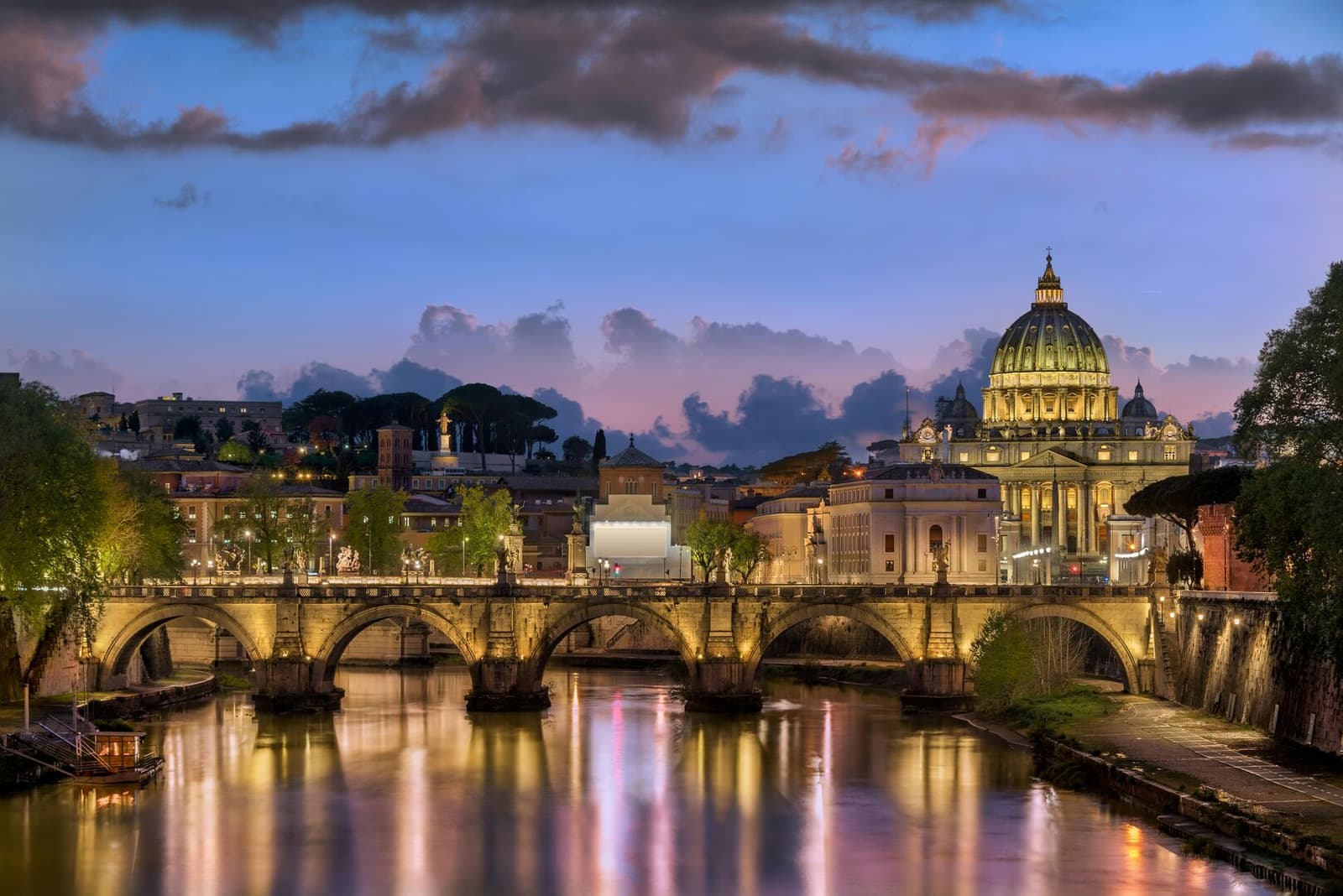
Day two: Vatican. Book 9 AM entry for museums, allocate 3-4 hours minimum. Sistine Chapel, St. Peter's Basilica. You'll be destroyed by early afternoon. Nap. Dinner in Prati neighborhood near the Vatican—better value than tourist traps across the river.
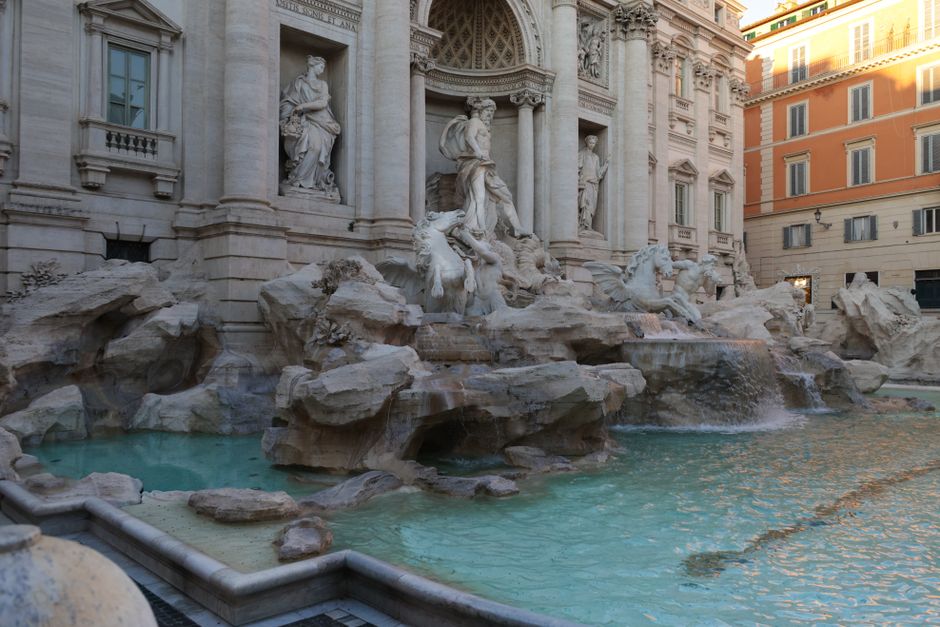
Day three: Centro Storico. Pantheon (ticketed, with exemptions; check the official booking conditions), Trevi Fountain (go early before crowds), Spanish Steps, wander. Lunch at a proper trattoria off the main drags. Afternoon: Villa Borghese gardens OR Galleria Borghese (requires advance booking weeks ahead). Evening: Jewish Ghetto for dinner.
Day four: Your choice. Day trip to Ostia Antica (better than Pompeii, less crowded, easier to reach), or stay in Rome and hit neighborhoods you missed—Monti, Aventine Hill, Testaccio market. This is your "no plan" day. Follow your energy.
What to Book Ahead
Paris:
· Louvre: 2-3 weeks advance
· Versailles: 2-3 weeks advance
· Musée d'Orsay: 1 week advance (less critical)
· Popular restaurants: 2-4 weeks for dinner
Rome:
· Colosseum/Forum: 1-2 weeks advance
· Vatican Museums: 2-4 weeks advance (this sells out)
· Galleria Borghese: 4-6 weeks advance (limited capacity, strict)
· Popular restaurants: 1-2 weeks for dinner
Everything else you can wing. Don't over-schedule. Leave room for stumbling into a market you didn't know existed or spending two hours at a café because the waiter's telling you stories about his grandmother.
The Mistakes Everyone Makes
Trying to see everything. You can't. The Louvre alone could take a week. Pick your top five must-sees per city, build around those, and let the rest happen organically.
Eating near major monuments. That restaurant with a Colosseum view charging €28 for spaghetti? It's bad. Walk ten minutes in any direction and you'll find better food for half the price.
Assuming mid-week is always better. Yes, Tuesday-Thursday generally means 30-40% fewer crowds. But sometimes weekends have special programming or markets worth the extra people.
Underestimating walking. You'll cover 8-12 miles daily in both cities. Break in your shoes before you go. Bring blister supplies anyway.
Skipping the rest day. By day four or five, you'll be exhausted. Build in a morning where the plan is "coffee and a pastry, then we'll see how we feel." Your body will thank you.
The difference between a good trip and one you'll actually remember isn't hitting every monument—it's hitting the right ones at the right time without feeling like you're running a race. That's where real planning earns its keep, the kind that accounts for jet lag and museum fatigue and the fact that sometimes the best part of Rome is sitting in a piazza watching light change on old stone. We build itineraries around that rhythm because we've learned the hard way that logistics matter less than pacing. If that sounds better than managing seventeen browser tabs, we're here.
Keep exploring: the perfect 3-day Rome itinerary · 15 hidden gems in Paris · Plan your Paris trip with a local
See how Chic Trip builds the itinerary, coordinates restaurants, timed tickets and transfers, and keeps every price clear before booking.
Plan my trip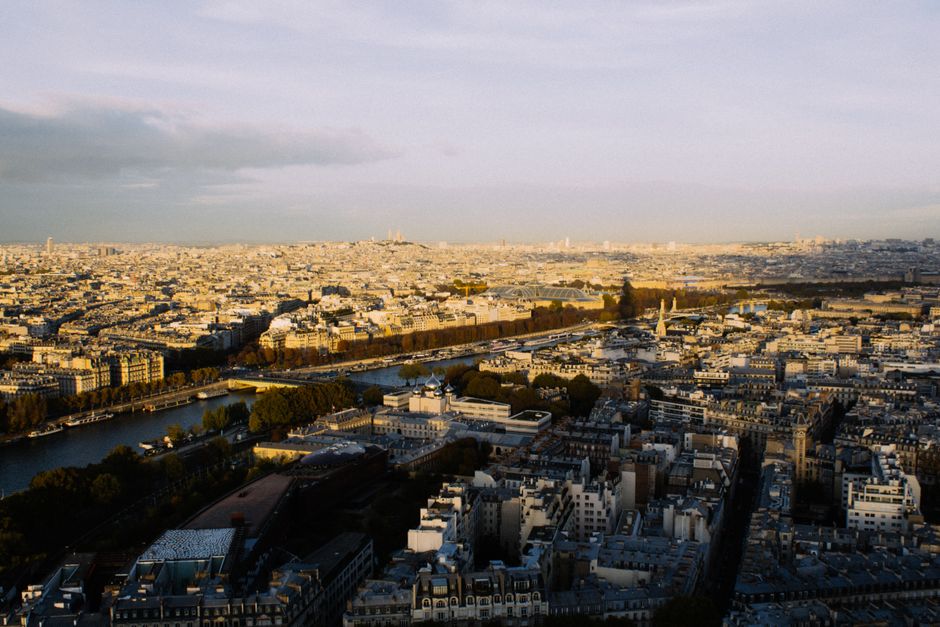
Ready to experience Europe for yourself? Request My France and Italy Trip with Chic Trip - a custom route, coordinated bookings and one accountable planner.
About Chic Trip
Chic Trip is a Paris-based trip planning and booking concierge for American travelers. Founder Frederic Canesso and his Paris team design day-by-day itineraries and coordinate restaurant tables, official timed entries, tours and airport transfers. The planning fee depends on trip length and group size. Restaurant reservations and official tickets are at face price, hotels at public rates, and tours and transfers at clear package prices quoted upfront. Tell us about this trip or read our traveler reviews and feedback.