The Best Day Trips from Paris Worth Every Minute
Itinerary and planning 9 min read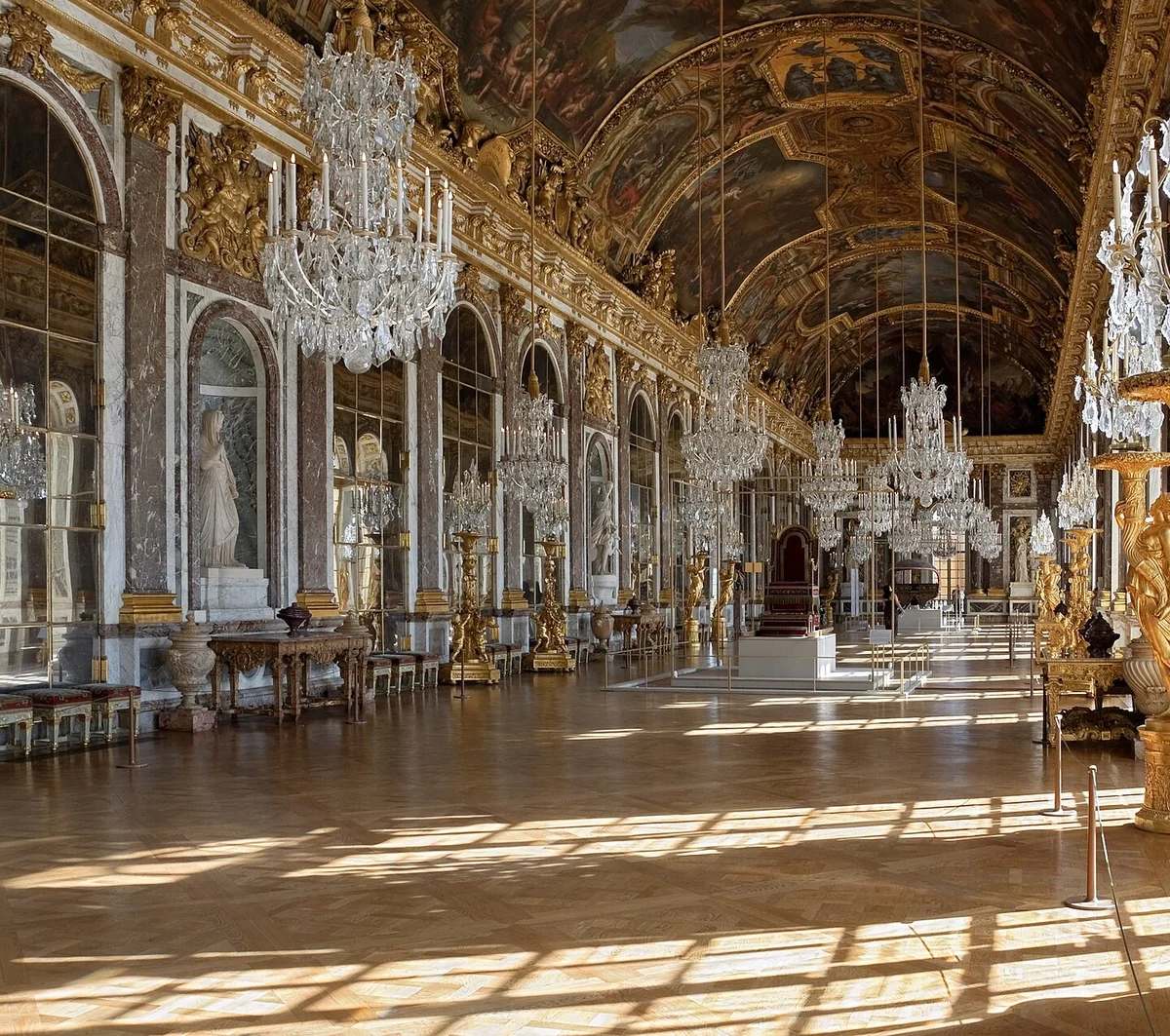
Quick answer
From royal palaces to Monet's garden to bubbling Champagne cellars, these are the day trips from Paris that serious travelers actually prioritize.
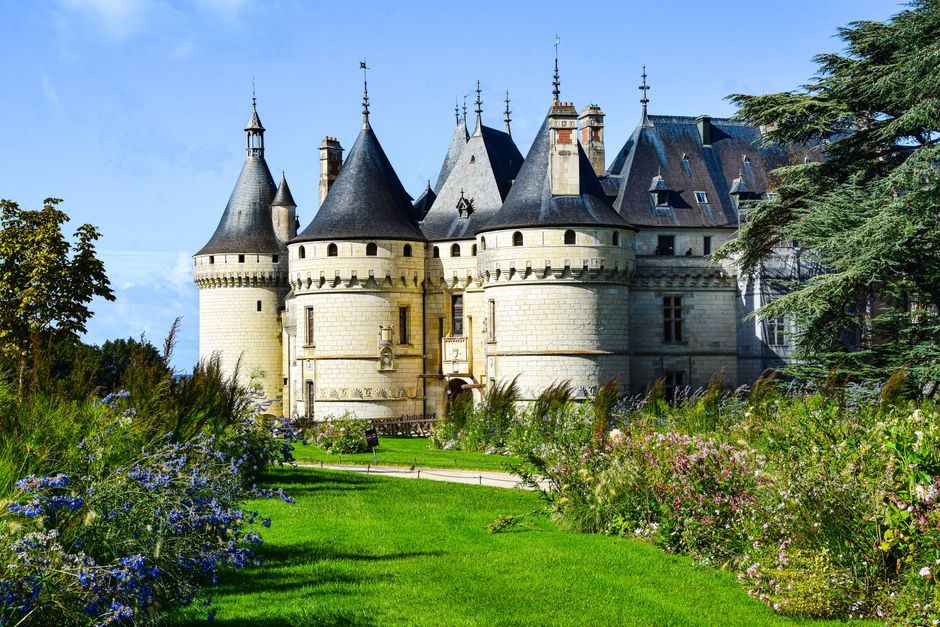
The five day trips from Paris that are genuinely worth a full day: Versailles, Giverny (Monet's gardens), Champagne (Reims and Épernay), the Loire Valley châteaux, and medieval Provins. Versailles and Giverny are the easiest without a car; Champagne and the Loire reward a small-group tour so nobody has to skip the tastings. Plan one extra Paris day per excursion, and book timed entries two to three weeks ahead in season. Our free trip-length planner factors day trips into your ideal Paris stay in 30 seconds.
Paris rewards slow travelers, but the city also sits at the center of one of the most compelling day-trip networks in Europe. Within two hours, you can be wandering the Hall of Mirrors, standing in Monet's actual garden, or sipping grower Champagne straight from the source. The mistake most visitors make is trying to cram too many of these excursions into a single trip, or worse, underestimating how much time each destination genuinely deserves. Below is a practical, no-nonsense breakdown of the four day trips worth reorganizing your Paris itinerary for, including exactly how to get there and how many hours you actually need on the ground.
Versailles: Go Early, Stay Longer Than You Think
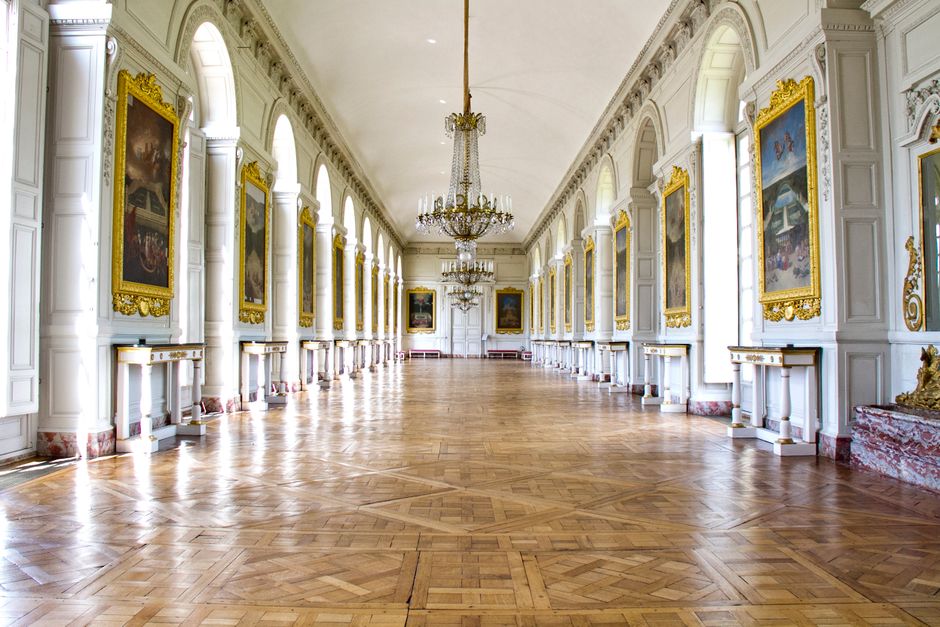
The Palace of Versailles is the most visited day trip destination from Paris, and that popularity comes with real logistical consequences. The crowds are not incidental, they are a central planning variable. The palace itself, the gardens, the Grand Trianon, and the Petit Trianon together constitute a full day, and attempting to rush through any meaningful portion of the estate in three hours is a recipe for frustration.
Getting there is straightforward. Take the RER C train from central Paris to the Versailles Château Rive Gauche station, a journey of roughly 40 minutes from central Paris stations like Saint-Michel Notre-Dame. Trains run frequently, tickets cost under five euros each way, and the station drops you a short walk from the main entrance. Alternatively, some travelers take Transilien line N from Gare Montparnasse to Versailles Chantiers, which is marginally less crowded and equally convenient.
Plan on a minimum of six hours, and a full day is better. Book your timed-entry ticket online well in advance, particularly if you are visiting between April and October. The gardens are free to enter on most days outside of the Grandes Eaux Musicales fountain shows, which do carry a separate admission. Arrive before 9 a.m. if you can manage it. The most practical advice: start with the palace interior, then move outward to the gardens and Trianon estates as the day warms up and the main palace fills with tour groups.
Giverny: Monet's Garden Is Worth the Logistics
Claude Monet's home and garden in Giverny is one of the most photographed spots in France, and for good reason. The water lily pond, the Japanese bridge draped in wisteria, the kitchen garden bursting with nasturtiums, it is genuinely as beautiful as every image suggests. Getting there requires a bit more effort than Versailles, but it is entirely manageable as a half-day or full-day trip.
There is no direct train to Giverny. The standard approach is to take a SNCF train from Paris Gare Saint-Lazare to Vernon, a journey of about 75 minutes. From Vernon station, you have three options: rent a bicycle at the station (the ride to the garden is about five kilometers along a flat, scenic path), take a seasonal shuttle bus that runs during visiting hours, or arrange a taxi. The bicycle option is genuinely lovely if the weather cooperates and your group is mobile.
Giverny is open from late March through early November only, and timed-entry tickets must be booked in advance during peak season. Budget four to five hours on the ground, including the house interior, both gardens, and time to wander without feeling rushed. The village has a handful of good lunch spots, and combining this trip with a stop in Rouen on the same day is possible for highly efficient travelers, but only if you depart Paris early.
The Champagne Region: Reims and the Cellar Experience
The city of Reims sits about 45 minutes from Paris by TGV high-speed train, making the Champagne region one of the most accessible and underutilized day trips in the country. American travelers tend to overlook it in favor of more visually obvious destinations, which means you will encounter far fewer tour groups and a much more authentic experience in the cellars and tasting rooms.
Direct TGV trains depart from Paris Gare de l'Est roughly every hour and cost between 20 and 60 euros each way depending on how far in advance you book. In Reims itself, the major Champagne houses, including Taittinger, Veuve Clicquot, and Pommery, all offer cellar tours and tastings. Most require advance reservations, which you should absolutely make before leaving home. The tours typically run 60 to 90 minutes and include a tasting flight that makes the whole affair feel like a proper event rather than a rushed stop.
Beyond Champagne, Reims has the stunning Gothic cathedral where French kings were coronated for centuries, and the city center is walkable and genuinely pleasant. A comfortable day in Reims means five to six hours on the ground: one cellar tour, lunch in the city center, a visit to the cathedral, and perhaps a second tasting at a smaller grower producer or a wine shop with a good selection of grower Champagnes unavailable in the United States.
Mont Saint-Michel: The Logistics Are Real, but So Is the Payoff
Mont Saint-Michel is the outlier on this list. It is not technically a day trip for most Parisians, and travel writers who casually recommend it as one are not being entirely straight with you. That said, it is absolutely doable from Paris as a long day if you are organized and energetic, and many American travelers do it successfully every season.
The fastest option is a TGV from Paris Gare Montparnasse to Rennes, about 90 minutes, followed by a dedicated shuttle bus to Mont Saint-Michel that takes another 60 to 75 minutes. Total travel time one way is approximately two and a half to three hours. Some travelers take a direct coach tour from Paris, which is slower but requires zero logistical coordination. If you go independently, buy your TGV tickets well in advance to secure reasonable fares.
The island abbey itself is spectacular in a way that photographs genuinely cannot prepare you for, particularly at high tide when the mount appears to float on water. The interior of the abbey is worth the entrance fee, and the rampart walk around the perimeter offers views that rank among the best in France. The shops and restaurants on the main street cater overwhelmingly to tourists and are largely skippable. Bring lunch from Paris or eat at one of the better restaurants toward the top of the island near the abbey entrance.
If you are going to make the trip, budget at least four hours on the island itself, which means departing Paris no later than 7 a.m. and accepting a late return. Staying overnight in one of the small hotels on or near the island transforms the experience entirely, as the crowds clear by evening and the mount at night is something else altogether. If your schedule allows even one night, take it.
How to Prioritize When You Can Only Choose One or Two
If you are working with a standard week in Paris and want to add day trips without sacrificing the city itself, the calculus is fairly simple. Versailles is non-negotiable for first-time visitors and pairs well with a relaxed morning in Paris before or after. Giverny is the right call for anyone with an interest in art, gardens, or French countryside, and it works beautifully as a half-day combined with a slow afternoon in Paris. The Champagne region is the sleeper pick, genuinely excellent and consistently underrated by American itineraries. Mont Saint-Michel demands its own day and ideally an overnight, so it earns its place only if you are willing to commit fully to the journey.
Whatever you choose, book trains and timed entries before you leave home. Last-minute flexibility is a luxury that popular French destinations rarely reward.
Keep exploring: Disneyland Paris vs Parc Asterix · planning Paris and Rome together · Plan your Paris trip with a local
Get our free Insider Paris Guide: the neighborhoods, restaurants and hidden corners we send our own clients. No tourist traps, no filler.
Get the free guideParis day trips: your questions answered
How many day trips should I plan from Paris?
One for a 4 to 5 day first visit, two if you have a week. Each excursion consumes a full day once you count the trains, and Paris itself deserves the rest. If you must choose one: Versailles for first-timers, Giverny from April to October for garden lovers, Champagne for a celebration.
Do I need a car for day trips from Paris?
Not for Versailles (RER C, about 40 minutes) or Giverny (train to Vernon plus a shuttle). Champagne and the Loire are technically train-reachable, but the châteaux and the wine houses are spread out, so a small-group or private tour is what makes those days work, and it means everyone gets to enjoy the tastings.
How far in advance should I book day trips?
Small-group tours cap at 6 to 8 people and sell out two to three weeks ahead in season; Giverny is timed-entry from April to October, and the good Champagne houses want reservations. Check your exact deadlines with our free Paris booking timeline.
Is Versailles worth it if I only have three days in Paris?
With only three days, it is a real trade-off: Versailles is magnificent but costs you a third of your trip. Most three-day visitors are happier staying in the city and saving Versailles for their return. If it is a lifelong dream, go early on a Tuesday or Friday, skip the Trianon, and be back in Paris for dinner.
Ready to experience Paris for yourself? Plan Your Paris Trip with Chic Trip - a custom route, coordinated bookings and one accountable planner.
Planning your own Paris trip? Estimate your budget with the free Paris trip cost calculator, find out how many days you need in Paris, check when to book everything in Paris, or build a day-by-day plan with the Paris itinerary planner.
About Chic Trip
Chic Trip is a Paris-based trip planning and booking concierge for American travelers. Founder Frederic Canesso and his Paris team design day-by-day itineraries and coordinate restaurant tables, official timed entries, tours and airport transfers. The planning fee depends on trip length and group size. Restaurant reservations and official tickets are at face price, hotels at public rates, and tours and transfers at clear package prices quoted upfront. Tell us about this trip or read our traveler reviews and feedback.