The Scent of Paris: Perfumeries Creating Bespoke Fragrances
Culture 9 min read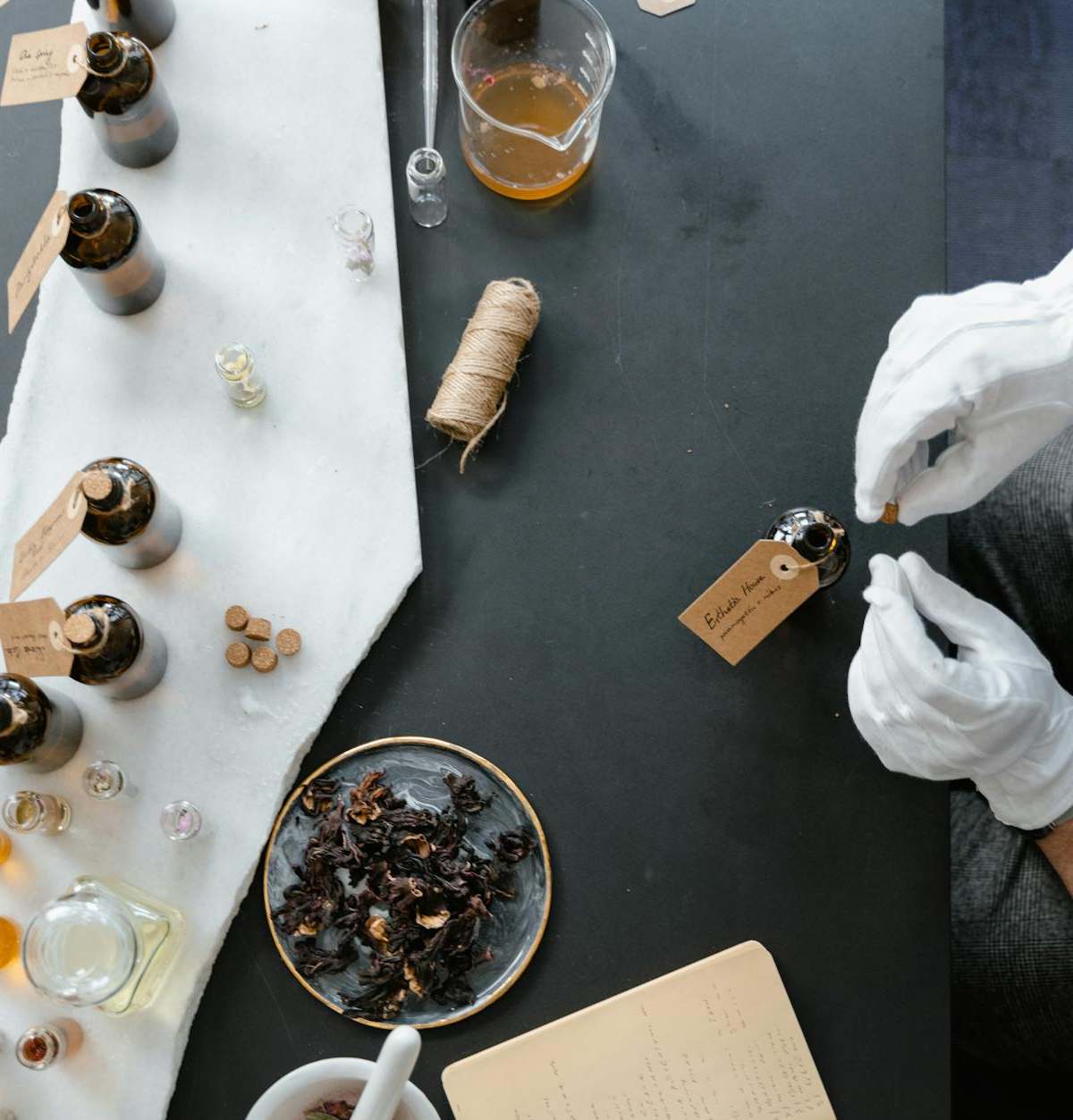
Quick answer
Discover Paris's exclusive perfumeries like Fragonard, Maison 21G, and Guerlain, where you craft personalized fragrances. Immerse in luxury ateliers blending top notes of bergamot and jasmine for u...
Paris has long been one of the great capitals of perfume, but its place in fragrance history goes deeper than branding or luxury retail. The city’s connection to scent began centuries ago, when French perfumers and leather workers learned that floral essences could soften and mask the smell of tannery work. What started as a practical solution gradually became a cultural specialty, then a global industry, and finally an art form.
That evolution still shapes the city today. Paris is full of fragrance counters, flagship boutiques, and heritage houses, but the most interesting experiences are often the most personal ones. Instead of simply buying a bottle off the shelf, visitors can now create a scent from scratch, working with perfumers who understand both the technical side of composition and the emotional side of scent. That makes Paris one of the best places in the world to explore bespoke fragrance, whether you are a first-timer or already deep into perfume collecting.
The appeal of a custom scent is easy to understand. Perfume is intimate. It sits close to the skin, changes over time, and often carries memory more strongly than other luxury objects. A fragrance created in Paris is not just something you wear. It becomes a record of a moment, a place, and a particular version of your taste. That is part of why these ateliers attract so many travelers looking for something more personal than a standard shopping experience.
Fragonard Studio des Fragrances
Fragonard’s Studio des Fragrances is one of the most accessible ways to begin. Located at 9 Rue Scribe near the Opéra, the studio offers two-hour workshops where guests create their own eau de parfum from a selection of carefully chosen essences. The structure is designed to be approachable, which makes it especially appealing to people who are curious about perfume but do not necessarily know where to start.
The session begins with basics, and those basics matter. A good perfumer explains how fragrance is built in layers: the top notes that you smell first, the heart notes that give the perfume its body, and the base notes that remain after the initial impression has faded. Understanding that structure changes the way you think about scent. Suddenly, fragrance is no longer just “nice” or “not nice.” It becomes architectural. You start to notice how bright citrus can open a composition, how floral notes create shape in the middle, and how woods or resins give a perfume its lasting depth.
What makes Fragonard’s workshop especially useful is that it is educational without becoming dry. The format is practical, hands-on, and clear. You are not listening to a lecture for its own sake. You are learning by building something. At the end, you leave with a 100ml bottle of your own creation, labeled with your name and date, along with the formula so it can be recreated later if you want to reorder it. That makes the experience feel both creative and useful.
The atmosphere leans more toward learning than luxury, which is actually part of its strength. It is an ideal introduction for travelers who want to understand what terms like fresh, woody, floral, or citrusy really mean in practice. The workshop also offers strong value for the price, especially considering that you leave with a full-sized bottle. For many visitors, it is the point where perfume stops being abstract and starts becoming legible.
Timing matters here. Morning sessions are often the best choice because your sense of smell is fresher and less fatigued. By later in the day, it becomes harder to distinguish subtle differences between notes, and the experience loses some of its precision. If you want to learn well, a morning workshop is the smart option.
Maison 21G
Maison 21G takes a more contemporary approach. Located in the Marais at 5 Rue de Turenne, it combines digital customization with traditional fragrance blending. Instead of sitting through a classic atelier process with a perfumer guiding every step, you start by selecting base fragrances from the house’s collection and then adjust the ratios through a tablet interface. The result is a more structured and efficient form of customization.
This model will not appeal to everyone, but it has clear advantages. It is faster, more precise, and better suited to travelers who already know the broad direction they want. If you are the kind of person who has a clear preference for certain scent families and does not want a long exploratory session, Maison 21G offers a very practical solution. The process takes around thirty minutes, and the final product is blended on-site.
The size of the bottle is smaller than at some other ateliers, but the experience is still meaningful because it gives you a formula that is saved to your profile. That means you can reorder it later or have it shipped internationally. For travelers who genuinely fall in love with their blend, that is a useful feature. It turns the experience from a one-time souvenir into something more sustainable.
The tone here is less romantic than at a traditional perfume house, but that is not necessarily a drawback. In fact, the precision will appeal to a certain type of client. Some people want the poetry of perfumery; others want control. Maison 21G is built for the second group, without sacrificing quality.
Guerlain Olfactory Studio
For a more exclusive experience, Guerlain’s Olfactory Studio stands at the top end of the spectrum. Located at the flagship on Avenue des Champs-Élysées, it offers private bespoke sessions that draw on one of the most storied names in French perfumery. Guerlain is not simply another luxury house. It is one of the foundations of modern fragrance culture, associated with iconic scents such as Shalimar and Mitsouko.
The appeal of a bespoke session here lies partly in the brand’s history and partly in its access to materials. Guests work with a perfumer trained in Guerlain’s methods, using a much broader range of essences than most workshops can offer. That includes rare ingredients and heritage materials that connect the experience to the house’s long archive. For serious perfume lovers, that alone can make the session feel exceptional.
This is not a casual drop-in activity. It is a more involved process, often requiring multiple sessions to refine the formula properly. That makes sense. A true signature scent is not something you should rush. It needs to be tested, adjusted, and reconsidered in different contexts before it feels right. Guerlain’s format reflects that reality, which is one of the reasons it appeals to connoisseurs rather than tourists simply looking for a novelty.
The price reflects the level of service and exclusivity, but so does the result. You are not just leaving with a perfume. You are leaving with a composition shaped by one of the most established fragrance houses in the world. For people who care deeply about perfume history, that carries a certain weight.
Why Bespoke Perfume Matters
What makes these experiences so compelling is not only the final bottle. It is the process of learning how scent works. Perfume is one of the most personal forms of design because it cannot be seen and is often appreciated only gradually. It changes on the skin, reacts to the environment, and develops over time. Creating a fragrance in Paris brings that complexity into focus.
The experience also forces you to slow down. Unlike shopping for a ready-made bottle, where you can rely on branding or packaging, bespoke perfume requires observation. You have to notice what you actually like, not just what sounds attractive in theory. That is harder than it sounds. Many people discover that they prefer a scent family they had never considered before, or that a note they enjoyed on paper becomes overwhelming once blended into a full composition.
That is why timing and patience matter so much. A perfume that feels perfect in the atelier may not feel the same a week later. A good workshop helps minimize that gap by making you think clearly before you commit. It is also why some of the best sessions involve keeping notes, returning to the scent slowly, and allowing the formula to settle before making final decisions.
Paris is especially well suited to this kind of experience because the city already understands luxury as something layered, historical, and deeply tied to craft. Perfume fits that logic beautifully. It is not just a product. It is a form of memory, discipline, and expression.
Choosing the Right Atelier
The best atelier depends on what you want from the experience. Fragonard is the strongest choice if you want a clear introduction with good educational value and a finished bottle at a relatively approachable price. Maison 21G is better if you prefer precision, speed, and digital control. Guerlain is the obvious option for those who want depth, heritage, and a truly bespoke result.
Budget is part of the decision, but so is personality. Some travelers want a playful introduction to scent. Others want a structured, efficient process. Others still want the full luxury of working with a historic house whose archives stretch back generations. Paris offers all three, which is what makes it such a strong destination for fragrance lovers.
It is also worth thinking about what you want to do with the perfume afterward. If you want something easy to reorder, digital systems and stored formulas are helpful. If you care more about craftsmanship and the experience itself, a traditional atelier may be the better choice. Either way, the city gives you access to a level of perfume culture that is hard to match elsewhere.
A City Made for Scent
Paris remains one of the few cities where perfume feels both commercial and cultural at the same time. It is sold in grand boutiques, of course, but it is also taught, discussed, and created as a craft. That dual identity gives fragrance in Paris its particular appeal. You are not just buying a luxury item. You are stepping into a tradition.
That tradition still has room for experimentation, which is why bespoke fragrance remains so attractive here. Whether you are blending your first perfume, refining a personal signature, or simply trying to understand how scent composition works, Paris gives you the right setting to do it. The city’s ateliers do more than sell perfume. They teach you how to smell more carefully, think more precisely, and appreciate fragrance as something made, not just worn.
Keep exploring: Emily in Paris filming locations · 15 hidden gems most tourists miss · Plan your Paris trip with a local
Get our free Insider Paris Guide: the neighborhoods, restaurants and hidden corners we send our own clients. No tourist traps, no filler.
Get the free guide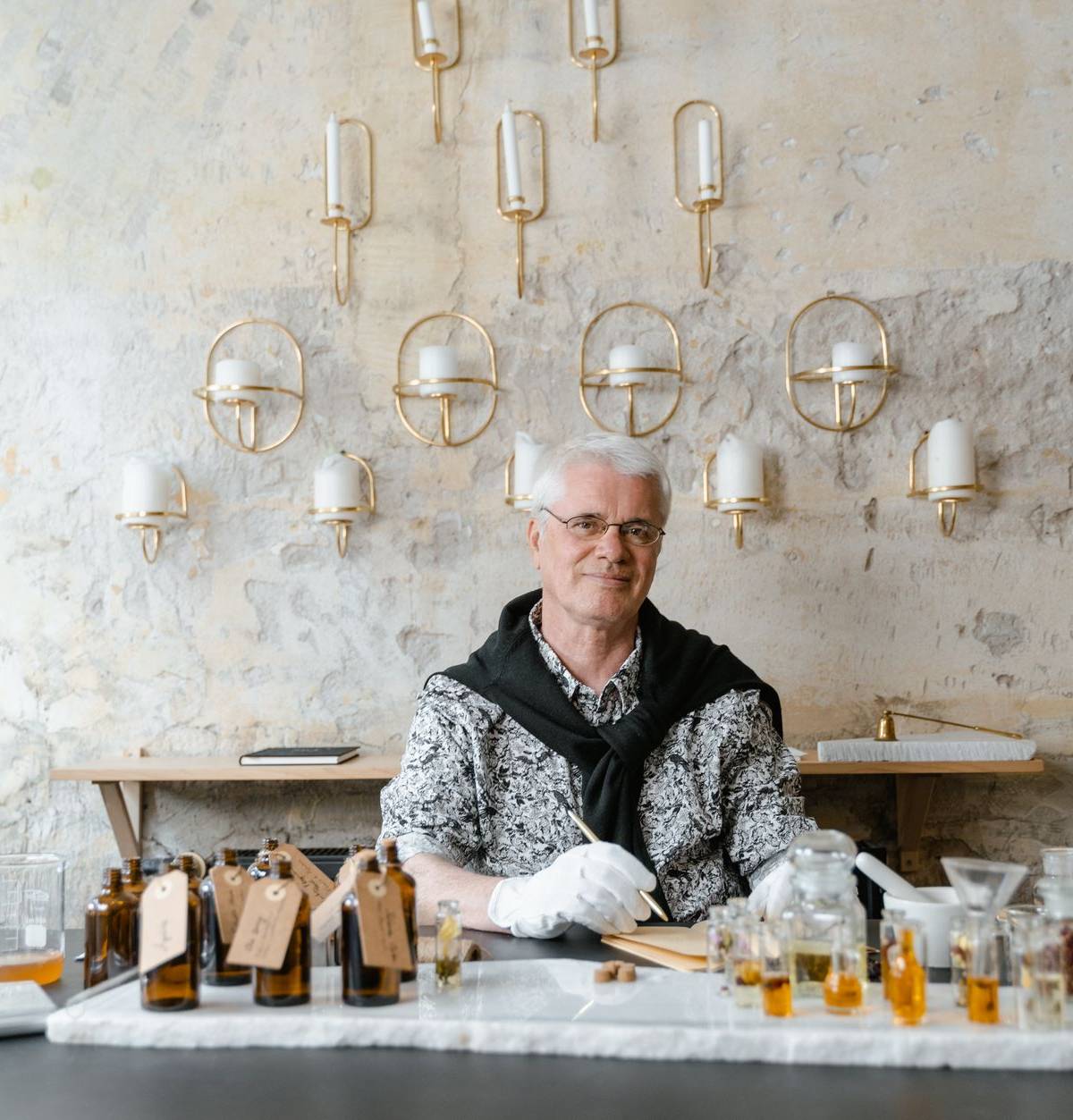
Ready to experience Paris for yourself? Plan Your Paris Trip with Chic Trip - a custom route, coordinated bookings and one accountable planner.
Planning your own Paris trip? Estimate your budget with the free Paris trip cost calculator, find out how many days you need in Paris, check when to book everything in Paris, or build a day-by-day plan with the Paris itinerary planner.
About Chic Trip
A journey designed exclusively for you: a personal itinerary, restaurant recommendations refined with your feedback, approved reservations and practical details in the Chic Trip app. Your written proposal confirms the total, inclusions and booking conditions before you commit. Start with a free call or email; no payment or price acceptance is required to enquire.