Paris Travel Tips Every American Needs Before They Go
Itinerary and planning 7 min read
Quick answer
Before you board that flight to Paris, these practical tips on money, etiquette, connectivity, and getting into the city will save you real time and headaches.
Paris rewards the traveler who shows up prepared. Not over-researched, not anxious, just practically ready. Americans run into the same friction points trip after trip, jet lag that wrecks the first two days, card readers that behave unexpectedly, a cultural misstep at a cafe, a confusing arrival hall at Charles de Gaulle. None of these are serious problems, but all of them are avoidable. Here is what you actually need to know before you land.
Beat Jet Lag Before It Beats Your Trip
Paris is six hours ahead of Eastern time and nine hours ahead of Pacific, which means most Americans arrive in the morning after an overnight flight running on fractured sleep. The single most effective strategy is to stay awake until local bedtime on your first day, no matter how brutal that feels around 3 p.m. Book an afternoon arrival if you can, grab a window seat to get natural light exposure during the flight, and skip the in-flight alcohol, which fragments sleep and intensifies next-day fatigue. A low dose of melatonin (0.5 to 1 mg) taken at Paris bedtime for the first two or three nights helps reset your circadian rhythm faster than higher doses. Walk outside in the morning light on day one, even if it is just a loop around your neighborhood. Sunlight is the most powerful signal you can send your body clock.
Cash, Cards, and How to Handle Money in Paris
Paris is more cash-friendly than most American cities, and more card-friendly than many Americans expect. Visa and Mastercard are accepted almost everywhere, but American Express is still hit-or-miss at smaller bistros and independent shops, so carry a Visa or Mastercard as your primary. The critical detail: France uses chip-and-PIN, not chip-and-signature. Most American-issued cards will work fine at staffed terminals, but unattended kiosks, think parking garages, some Metro ticket machines, and toll booths, require a four-digit PIN. Call your bank before you leave and set one up if you have not already. For cash, use ATMs affiliated with major banks rather than the standalone machines you see in tourist corridors. Withdraw in euros directly, always decline the option to be charged in dollars (that is dynamic currency conversion, and the exchange rate is poor). Budget roughly 10 to 20 euros in small bills for daily incidentals, some market vendors, public restroom attendants, and certain bakeries still prefer cash.
Etiquette That Will Make Paris Noticeably Easier
The cliche about Parisians being rude to Americans almost always traces back to a single missed step: the greeting. In France, you say bonjour when you walk into any shop, cafe, or restaurant, and au revoir when you leave. Full stop. Skipping the greeting and launching directly into your order or question reads as dismissive, not casual. A simple bonjour, spoken with a genuine attempt rather than a perfect accent, changes the entire interaction. Similarly, when sitting down at a restaurant, do not expect to be seated immediately at the first available table. Wait to be acknowledged. Meals are not rushed, your server will not drop the check the moment you finish, you have to ask for it (just say, l'addition, s'il vous plait). Tipping is not the cultural obligation it is at home. A euro or two left on the table is appreciated and appropriate; anything beyond that is generosity, not a standard. Dress slightly better than you would for a comparable outing in the U.S. Not formal, just put-together. Parisians notice, and it signals respect for the city.
Get an eSIM Before You Leave Home
Paying your domestic carrier's international day-pass rates for two weeks in Paris adds up to real money, and you will be on your phone constantly, for navigation, translation, restaurant reservations, and Metro timing. An eSIM is the smarter move. You buy a data plan digitally, install it on your phone before departure, and it activates the moment you land. No SIM card to lose, no hunting for a phone shop at the airport. Look for an eSIM that covers France or the EU with at least 10 GB of data for a two-week trip, most travelers use less, but the headroom is worth it. Make sure your iPhone or Android is carrier-unlocked before you travel, most phones purchased in the U.S. in the last few years are, but confirm with your carrier if you are unsure. Keep your U.S. number active on your primary SIM for texts and calls that come in from home, the eSIM handles all your data abroad.
Getting from CDG Into Paris Without the Confusion
Charles de Gaulle is a large, multi-terminal airport, and first-time arrivals often underestimate how long it takes just to get to the departure point for city transport. Clear customs, collect your bags, and then give yourself a beat to orient before committing to a transfer option. The RER B train is the cheapest and often fastest route to central Paris, running directly to Gare du Nord, Chatelet-Les Halles, Saint-Michel, and Luxembourg in roughly 35 to 50 minutes depending on your destination. Buy your ticket at the airport before boarding and hold onto it for the entire journey, inspectors check at exit gates. Taxis are metered and now fixed-rate by law: approximately 56 euros to the Right Bank and 65 euros to the Left Bank, confirm the flat rate with your driver before you get in. Rideshare apps including Uber operate at CDG and are often comparable in price to taxis, with the advantage of a fixed fare shown upfront. Private car services cost more but make sense for families with significant luggage or travelers arriving late at night. Avoid the unlicensed drivers who approach you in the arrivals hall, they are a known nuisance and consistently overcharge.
Staying Safe in Paris: What the Warnings Actually Mean
Paris is a very safe city by any objective measure, and the vast majority of American visitors complete their trips without a single incident. The realistic threats are petty theft and scams concentrated in high-tourist zones, specifically around the Eiffel Tower, Sacre-Coeur, the Louvre entrance, and busy Metro lines like the 1 and the RER B. Pickpockets work in pairs or groups and rely on distraction. Keep your phone in a front pocket or a crossbody bag with a zipper, not in a back pocket or dangling from your hand while you look at a map. The petition scam (someone approaches with a clipboard asking you to sign for a charity) is designed to get close enough to reach your bag, just keep walking. The friendship bracelet scam near Sacre-Coeur involves someone tying a bracelet on your wrist and then demanding payment, do not engage. At night, the same common sense that applies in any major American city applies here: stay aware in quieter neighborhoods after midnight, and stick to lit streets. Paris after dark is genuinely wonderful, none of this should deter you, just stay present.
Keep exploring: planning Paris and Rome together · a romantic Paris guide for couples · Plan your Paris trip with a local
Put Paris in Your Pocket: The Chic Trip App
One final tip, and full disclosure, this one is ours. The free Chic Trip app is where our clients carry their entire trip: the day-by-day itinerary, maps, timings and reservations, all of it working offline, which matters more than you think in the Metro and on airplane mode. Even if you are planning on your own, it is the easiest way to keep your Paris plans in one place instead of scattered across screenshots and notes. It is now on both stores:
Download on the App StoreGet it on Google Play
Get our free Insider Paris Guide: the neighborhoods, restaurants and hidden corners we send our own clients. No tourist traps, no filler.
Get the free guide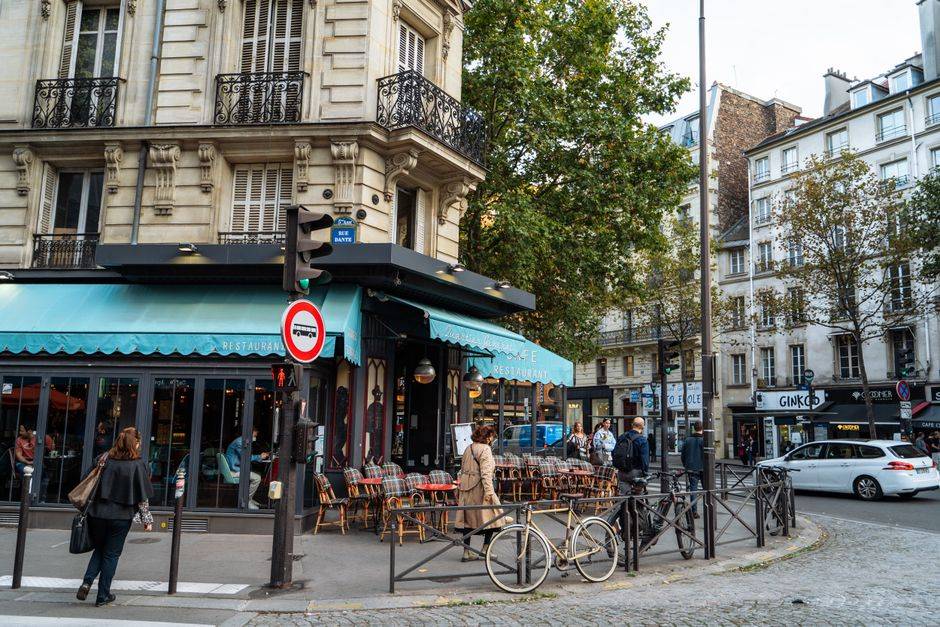
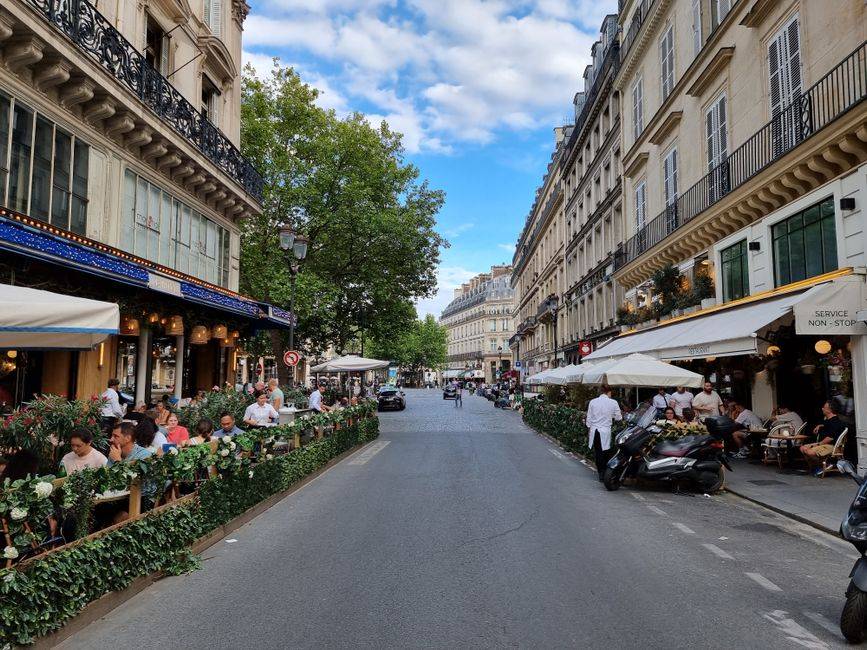
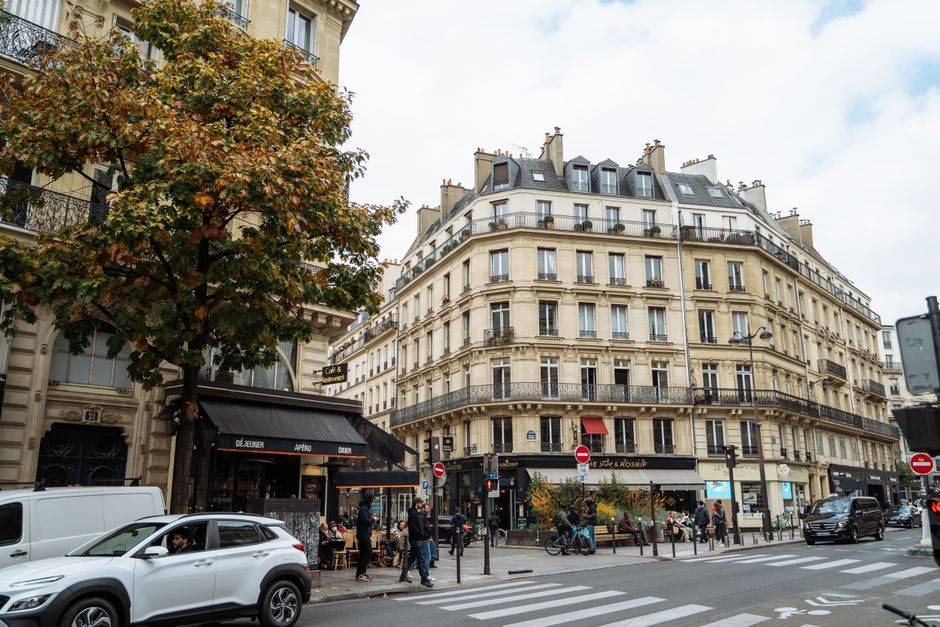
Ready to experience Paris for yourself? Plan Your Paris Trip with Chic Trip - a custom route, coordinated bookings and one accountable planner.
Planning your own Paris trip? Estimate your budget with the free Paris trip cost calculator, find out how many days you need in Paris, check when to book everything in Paris, or build a day-by-day plan with the Paris itinerary planner.
About Chic Trip
Chic Trip is a Paris-based trip planning and booking concierge for American travelers. Founder Frederic Canesso and his Paris team design day-by-day itineraries and coordinate restaurant tables, official timed entries, tours and airport transfers. The planning fee depends on trip length and group size. Restaurant reservations and official tickets are at face price, hotels at public rates, and tours and transfers at clear package prices quoted upfront. Tell us about this trip or read our traveler reviews and feedback.