How to Get Around Paris: The American Visitor's Transit Guide
Itinerary and planning 9 min read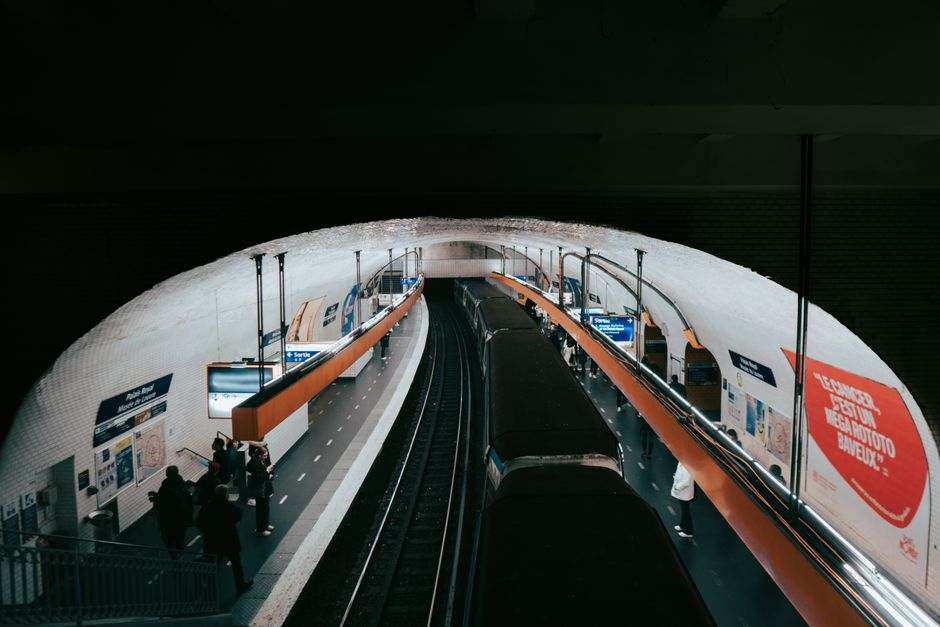
Quick answer
Paris is one of the world's most navigable cities, but only if you know which ticket to buy, which app to open, and which shortcuts to take.
Paris has one of the most efficient urban transit systems on the planet, and yet American visitors routinely overpay, buy the wrong tickets, miss the last train, and stand on the wrong platform staring at a map like it owes them money. None of that has to happen to you. What follows is a direct, practical breakdown of every meaningful way to move around the city, what each option actually costs, and the specific blunders that drain time and money from an otherwise excellent trip.
Understanding the Zone System Before You Buy Anything
Choose your ticket by journey and transport mode. Metro-Train-RER tickets cover rail travel across Île-de-France except the airport stations. Bus-Tram tickets are separate. CDG on the RER B and Orly on line 14 need an airport ticket unless covered by your pass. A Navigo Easy card is a ticket holder, not an unlimited-travel pass.
The Paris Metro: What It Is and How It Actually Works
The Metro is a network of 16 lines running under central Paris, color-coded and numbered, with trains arriving every two to four minutes during peak hours. The system operates from roughly 5:30 a.m. to 1:15 a.m. on weekdays, and until 2:15 a.m. on Friday and Saturday nights, which is worth memorizing because missing the last train in Paris is a genuinely expensive mistake. Trains run frequently enough that you rarely wait more than five minutes.
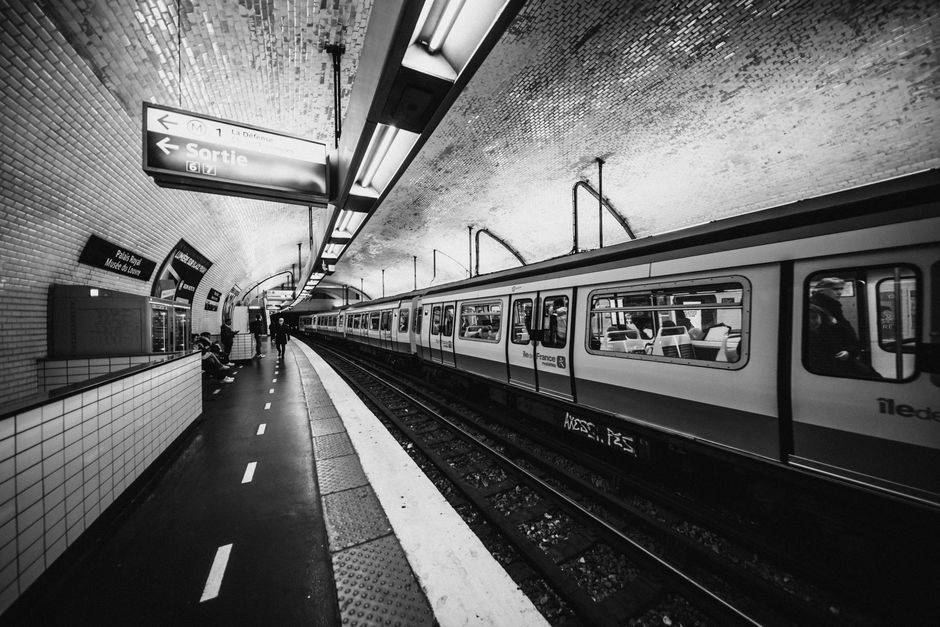
Navigation is simpler than it looks. Every Metro line terminates at two end stations, and Parisians refer to the direction of travel by the name of the terminal station. So if you are on Line 1 heading west toward La Défense, you are going toward La Défense, and if you are heading toward Château de Vincennes, you follow signs for Château de Vincennes. The app Bonjour RATP or Google Maps will tell you exactly which direction sign to follow, which is the fastest way to orient yourself on an unfamiliar line.
For occasional journeys, load Metro-Train-RER tickets onto a Navigo Easy card or a compatible phone. The 2026 full fare is €2.55 per journey, excluding airport stations. Bus-Tram tickets are separate. Each traveler needs their own ticket medium; a bank card alone does not open the metro gates. Buy through official machines, staffed counters or the Île-de-France Mobilités app. Validate on entry and keep your card or phone available throughout the journey and at the exit.
The Navigo Pass: Who Should Buy It and Who Should Not
Navigo Easy stores prepaid tickets; it does not give an automatic bulk discount. Navigo Liberté+ is a separate pay-as-you-go service with its own registration and payment conditions. Navigo Semaine covers a fixed Monday-to-Sunday week, not seven days from purchase. The all-zone fare is €32.40 in 2026, loaded onto a compatible phone or Navigo Découverte rather than Navigo Easy. Compare it with your actual journeys; Orlyval is excluded.
Count your journeys within the same Monday-to-Sunday week before buying Navigo Semaine. If you arrive over the weekend, a pass for the following week does not cover your first days. The all-zone pass covers CDG by RER B and Orly by metro line 14, but not Orlyval.
Do not confuse Navigo Easy with Navigo Découverte. The latter is a named card used for passes such as Navigo Semaine and needs the required photo and identification details. A lost or stolen Navigo Découverte and its loaded pass cannot be replaced or refunded. A compatible phone is another option for the weekly pass.
For a short stay with only a few journeys a day, compare single Metro-Train-RER tickets with the relevant day or weekly pass. Include airport trips, your arrival weekday and the separate Bus-Tram fare in the calculation.
The RER: Paris's Faster Suburban Rail Network
RER trains connect central Paris with the wider region. RER A serves Marne-la-Vallée–Chessy for Disneyland Paris; RER B serves Charles de Gaulle Airport. For Orly, metro line 14 is the direct rail option. The 2026 Paris Region Airports ticket costs €14 at full fare. Journey times depend on the train, destination and any engineering works.
Keep the same ticket medium for entry, connections and exit. Airport rail travel has a specific ticket unless your pass covers it. The all-zone Navigo Semaine includes RER B to CDG and metro line 14 to Orly; the RER B plus Orlyval route is not fully included.
Taxis and Rideshares: When They Make Sense
In 2026, the regulated direct airport taxi fares are €56 between CDG and the Paris Right Bank, €65 between CDG and the Left Bank, €45 between Orly and the Right Bank, and €36 between Orly and the Left Bank. These apply in both directions within Paris. Use an official taxi rank or a licensed booking service, not a driver soliciting inside the terminal. Ask about any authorized reservation or additional-passenger supplement.
Within the city, taxis are most useful late at night after the Metro closes, when it is raining heavily and you have luggage, or when you are traveling with three or more people and the per-person cost rivals the Metro. G7 and Taxi Bleu are the two main licensed fleets and both have apps that work exactly like Uber. Uber itself operates legally in Paris under a different regulatory category than taxis, and UberX is available citywide. Bolt is also active in Paris and tends to run slightly cheaper than Uber. During peak hours and rainy evenings, surge pricing on both platforms can make a licensed taxi from the G7 app the more predictable option.
Licensed taxis must accept card payment regardless of the fare. Carrying a little cash can still be useful, but a short ride is not exempt from that card-payment obligation.
Walking Paris: The Underused Option That Saves Hours
The single most common navigation mistake American visitors make in Paris is taking the Metro between stops that are a ten-minute walk apart. The Metro requires descending to a platform, waiting, riding one or two stops, ascending, and then orienting yourself again at street level. Between many central Paris landmarks, the above-ground walk is faster, more pleasant, and free.
Check the walking route door to door, not just the distance between map pins. A river walk from Orsay toward the Eiffel Tower is a substantial outing rather than a quick museum-to-museum hop. Louvre to Palais-Royal is a much shorter pairing. Build in time for crossings, museum exits, photo stops and the pace of the slowest person in your party.
Paris is exceptionally flat in its central arrondissements, with the notable exceptions of Montmartre and parts of the 5th arrondissement near the Panthéon. Good shoes are not optional: cobblestones are everywhere, and the stylish sneaker that seemed comfortable in your living room will destroy your feet by day two. Wear proper walking shoes and plan to log eight to twelve miles per day without much effort.
Vélib': Paris's Bike-Share System
Vélib' offers mechanical and electric bikes with short-duration passes and usage charges. The included riding time depends on the offer and bike type; a day pass is not an all-day continuous rental. Check the current tariff in the official app, then confirm that your bike has locked successfully when returning it.
Vélib' is a genuinely practical option for getting between neighborhoods on a clear day, particularly along the Seine, through the Marais, or from the Canal Saint-Martin down to République. Paris has significantly expanded its dedicated bike lanes in recent years, and cycling feels safer and more logical than it did even five years ago. The app shows available bikes and open docking spaces in real time, which matters because returning a bike to a full station triggers additional charges if you cannot find an empty dock nearby.
Common Mistakes Americans Make and How to Avoid Them
Validate your card or phone on the reader at the entrance gates and wherever validation is required for your connection. Keep it available for inspection and for exit gates. Follow the current instructions for the ticket you bought, rather than looking for an old paper-ticket stamping machine.
Buying tickets from street touts near major tourist sites is a scam that still catches visitors. Tickets sold by individuals outside the Eiffel Tower or Sacré-Coeur are either counterfeit or already used. Buy exclusively from yellow station machines, staffed ticket windows, or the RATP app.
Assuming your US credit card will work everywhere is optimistic. France uses chip-and-PIN, and many American cards are chip-and-signature, which certain automated machines, particularly those at unmanned Metro entrances or parking garages, will reject. Carrying 50 to 100 euros in cash at all times provides a consistent backup.
Taking a taxi from CDG without confirming the flat rate in advance risks paying far more than the regulated price. Confirm the flat rate before the car moves, or book through the G7 app where the price is shown upfront.
Finally, planning an itinerary that requires the Metro to function perfectly and on schedule every day is a setup for frustration. Strikes in France are a fact of life, and transit strikes can reduce service significantly with 48 hours' notice. Check the RATP app the night before any critical travel day, particularly if you have an early flight or a timed museum entry, and build in a buffer or a taxi budget for days when the Metro is running at reduced capacity.
Paris rewards the visitor who moves through it with some knowledge and a little flexibility. Get the right pass, validate your tickets, walk more than you think you need to, and save the taxis for when they genuinely make sense. The city is more manageable than its reputation suggests, and once you understand the rhythm of it, you will find yourself moving through arrondissements with the confidence of someone who has been doing this for years.
Keep exploring: a romantic Paris guide for couples · the 10 best restaurants in Paris · Plan your Paris trip with a local
Get our free Insider Paris Guide: the neighborhoods, restaurants and hidden corners we send our own clients. No tourist traps, no filler.
Get the free guide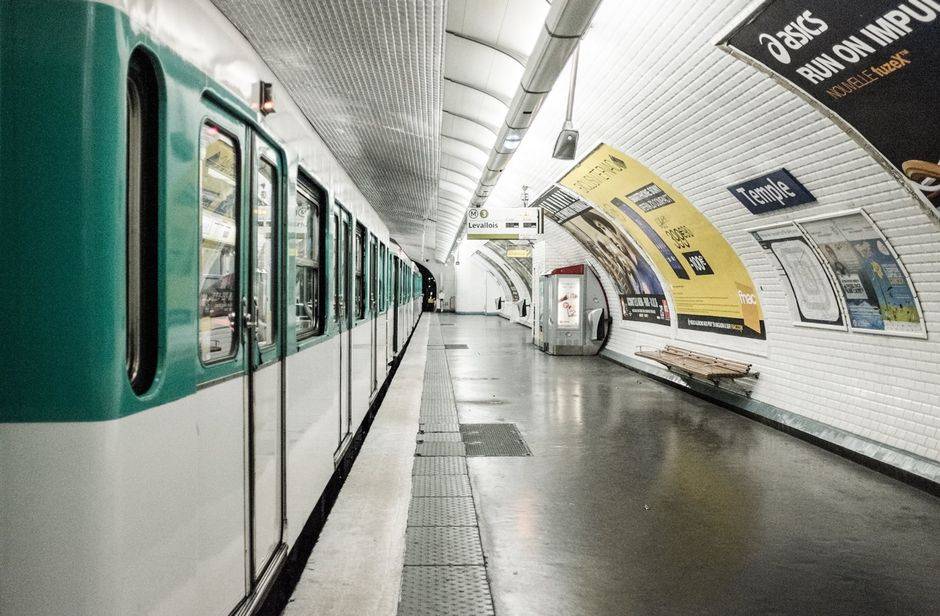
Ready to experience Paris for yourself? Plan Your Paris Trip with Chic Trip - a custom route, coordinated bookings and one accountable planner.
Planning your own Paris trip? Estimate your budget with the free Paris trip cost calculator, find out how many days you need in Paris, check when to book everything in Paris, or build a day-by-day plan with the Paris itinerary planner.
About Chic Trip
A journey designed exclusively for you: a personal itinerary, restaurant recommendations refined with your feedback, approved reservations and practical details in the Chic Trip app. Your written proposal confirms the total, inclusions and booking conditions before you commit. Start with a free call or email; no payment or price acceptance is required to enquire.