The French Art of Living: Craft, Elegance, and the Pursuit of Beauty
Culture 6 min read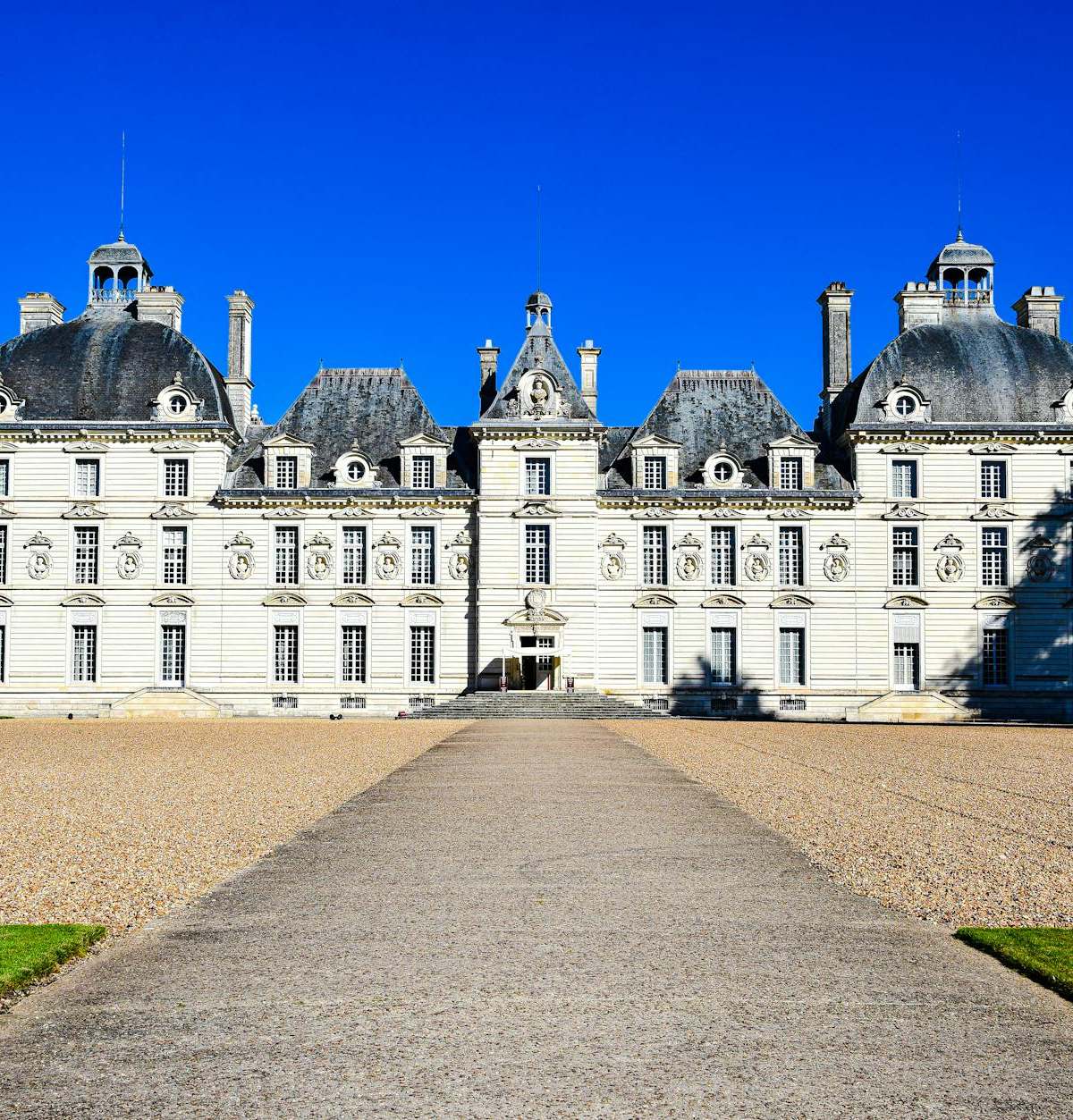
Quick answer
Discover the philosophy of l'art de vivre à la française: centuries of aristocratic refinement, artisan craft, and elegant proportions in architecture, gastronomy, and daily rituals that define tim...
Style isn't accident—it's philosophy made visible. What the world calls "l'art de vivre à la française" emerged from centuries of aristocratic refinement, artisan tradition, and intellectual conviction that beauty matters as much as function. From the symmetry governing château facades to the ritual surrounding a properly set table, French aesthetics prioritize proportion, restraint, and the understanding that elegance requires discipline. This isn't decorative excess but curated restraint: knowing which details elevate and which distract, when ornament enhances and when it overwhelms. UNESCO recognized the French gastronomic meal as intangible cultural heritage not because French food tastes superior but because the entire ritual—courses, timing, conversation, presentation—treats dining as performance art requiring rehearsal. What foreigners perceive as effortless chic is actually rigorous attention to craft, transmitted through generations of artisans who understand that mastery shows in invisible details.
Architecture: The Grammar of Proportion
French classical architecture established rules that governed European building for three centuries. The château à trois corps—three-section design pioneered by Salomon de Brosse with the Luxembourg Palace for Marie de Medici—broke from Italian palazzo models by emphasizing the central residential block while subordinating lateral wings. This wasn't merely aesthetic choice but philosophical statement: French architecture valued hierarchy made visible through proportion, symmetry declaring that order conquered chaos.
François Mansart perfected this vocabulary with Château de Maisons-Laffitte, imposing façade symmetry articulated through three elements: central body flanked by two lateral pavilions. Each floor followed distinct architectural orders—Doric, Ionic, Corinthian ascending as classical grammar dictated—with frontispiece ornamentation and elevated roofs (mansard roofs, named for their innovator) creating vertical emphasis. The result was buildings that announced rational proportion, where every element served compositional balance.
Classical French architecture drew from Greek and Roman canons while incorporating Renaissance innovations, prioritizing rational proportions and symmetrical compositions. Simple lines, balanced masses, sober decoration—these principles governed everything from royal palaces to urban townhouses. Baroque elaboration existed but remained subordinate to classical restraint. French architects understood that grandeur required discipline; excess signaled vulgarity. This aesthetic extended beyond individual buildings to entire urban plans—Place des Vosges, Place Vendôme—where uniform façades created architectural ensembles treating city squares as outdoor rooms, geometry organizing social space.
The Art of the Table: Gastronomy as Performance
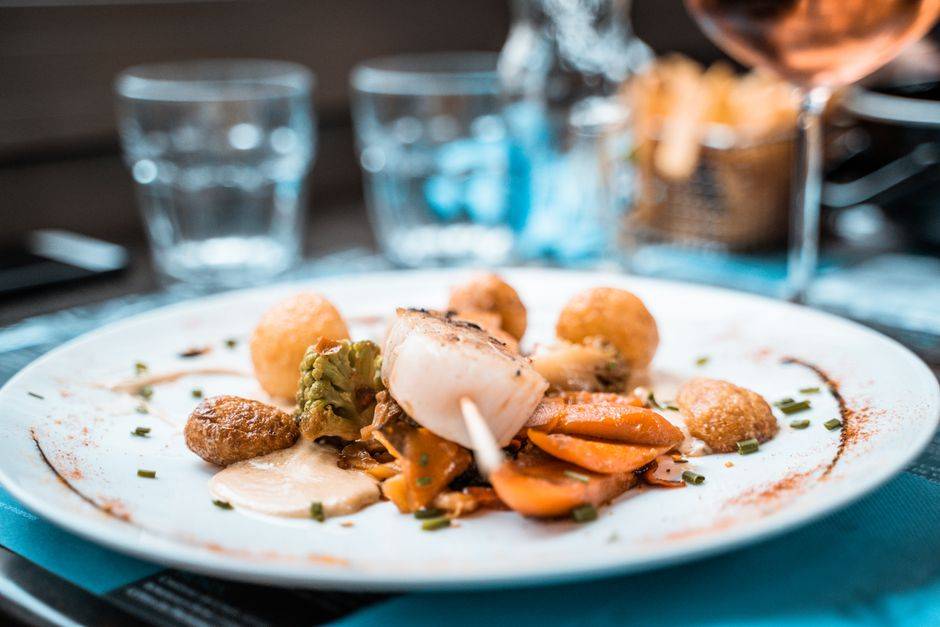
UNESCO's 2010 recognition of the French gastronomic meal as intangible cultural heritage acknowledged something beyond cuisine—it celebrated the ritual structuring how France eats. The recognition cited specific elements: careful selection of recipes from growing culinary repertoire, purchase of quality products preferably local, pairing food with wine, table setting aesthetics, specific gestural code during consumption, and conviviality bringing people together for celebration.
This formalization of dining emerged from aristocratic court culture where meals demonstrated status through elaborate service sequences and specialized tableware. But it democratized through bourgeois adoption—middle-class families treating Sunday lunch with same ceremonial attention royalty applied to state banquets. The ritual's persistence reveals French conviction that eating transcends biological necessity; properly executed, it becomes aesthetic experience.
French table arts encompass more than food. Linen selection, china patterns, glassware arrangement, cutlery placement—each detail contributes to overall composition. The progression from apéritif through courses to digestif follows temporal rhythm, conversation flowing between courses, wine pairings accentuating flavors. This isn't pretension but practiced craft, treating meal as theater requiring rehearsal. American visitors often misinterpret French dining's formality as snobbery; it's actually democratized aristocratic ritual, insisting ordinary meals deserve aesthetic consideration.
Artisan Savoir-Faire: Craft as Cultural Heritage
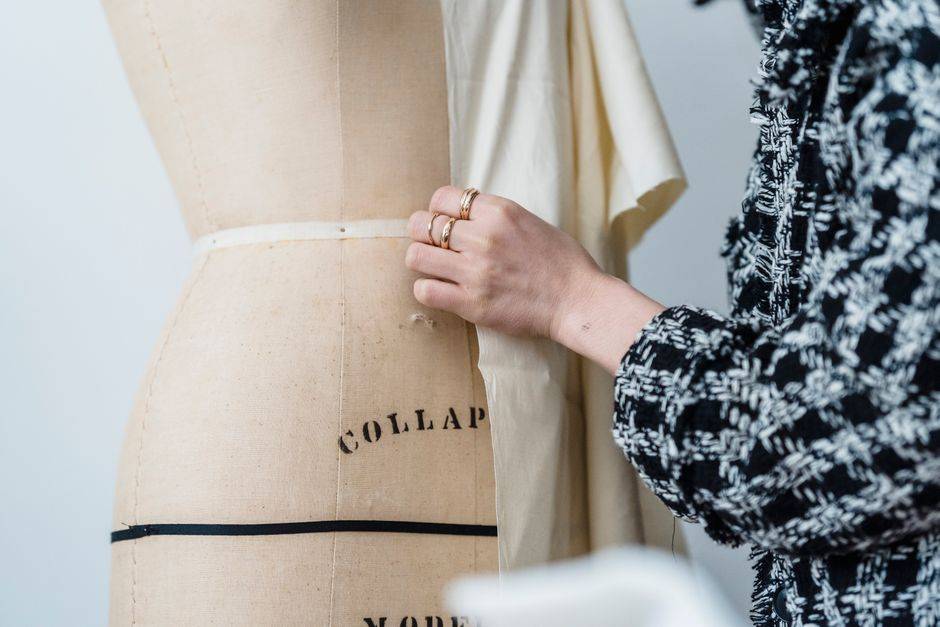
French luxury rests on artisan foundations—ateliers where techniques pass generation to generation, craftspeople spending years mastering skills before achieving maître status. This tradition distinguishes French luxury from industrial production through emphasis on hand execution, individual craftsmanship, and time-intensive processes that privilege quality over efficiency.
Leather work exemplifies this philosophy. French maroquinerie (leather goods) achieved global dominance through houses like Hermès and Louis Vuitton, but their reputation rests on artisan workshops where craftspeople hand-stitch using traditional point sellier (saddle stitch) techniques. Each piece receives manual cutting, edge finishing, dyeing, and assembly—processes that could be mechanized but aren't, because hand execution allows quality control impossible with industrial methods. An Hermès Birkin bag requires 18 hours of work by a single craftsperson who signs the finished piece, establishing personal accountability for quality.
Limoges porcelain represents similar commitment. Since the 18th century, craftspeople have transformed local kaolin clay into delicate porcelain painted by hand. The techniques—throwing, glazing, kiln firing at precise temperatures, hand-painting decorative motifs—require years to master. What distinguishes French artisan production isn't technological sophistication but refusal to compromise standards for efficiency. Artisans work without haste, understanding that mastery shows in details imperceptible to casual observation but evident to connoisseurs.
Gardens: Nature Submitted to Geometry
French formal gardens—jardins à la française—represent landscape architecture's classical expression, nature reorganized through geometric principles. André Le Nôtre's Versailles gardens established the template: symmetrical parterres, straight allées radiating from central points, topiary sculpted into architectural shapes, water features engineered for visual effect. This contrasted sharply with English landscape gardens' cultivated naturalism; French gardens declared humanity's capacity to impose order on organic chaos.
The aesthetic required constant maintenance—hedges trimmed to precise heights, gravel paths raked smooth, fountains operating on schedule. Versailles's gardens consumed resources rivaling the palace itself, employing hundreds maintaining appearances Louis XIV demanded. But the extravagance served purpose: demonstrating that French power extended to controlling nature, bending landscape to royal vision through engineering and labor.
This garden philosophy influenced urban planning. Tree-lined boulevards, geometric parks, fountain-centered squares—Parisian urbanism applied garden principles to cityscape. Baron Haussmann's 19th-century renovations extended this logic, creating vistas terminating in monuments, wide boulevards facilitating military movement and visual grandeur simultaneously. French aesthetics viewed nature as raw material requiring human refinement; untamed landscape was waste, potential unrealized.
The Philosophy: Liberty Through Discipline
What unifies these disparate elements—architecture, cuisine, craft, landscape—is underlying philosophy valuing liberty achieved through mastery of form. French aesthetics emerged from Enlightenment conviction that reason should govern passion, that freedom required structure, that creativity flourished within constraints rather than despite them. This explains why French classical art emphasizes rules: alexandrine verse in poetry, three unities in drama, academic technique in painting. These weren't restrictions but frameworks enabling expression.
The art of living à la française combines seemingly contradictory qualities: refinement without pretension, formality permitting spontaneity, tradition enabling innovation. It values intellectual rigor—the critical spirit inherited from Voltaire and Rousseau—alongside sensual pleasure. It insists on quality standards while celebrating personal interpretation. This duality explains French luxury's endurance: brands maintain centuries-old techniques while adapting to contemporary taste, honoring tradition without becoming museum pieces.
Foreign observers sometimes mistake French aesthetic discipline for rigidity. But practitioners understand these forms as liberation—mastering technique frees you to improvise, knowing rules lets you break them effectively. A perfectly set table provides structure for spontaneous conversation; classical architectural proportions create buildings accommodating diverse uses; artisan techniques enable creative expression through materials. L'art de vivre isn't adherence to dusty protocols but active engagement with cultural inheritance, using traditional forms to create contemporary meaning.
Keep exploring: Emily in Paris filming locations · bring Haussmann style into your home · Plan your Paris trip with a local
See how Chic Trip plans custom trips across France, coordinates the route and eligible bookings, and keeps every price clear before confirmation.
Plan my France trip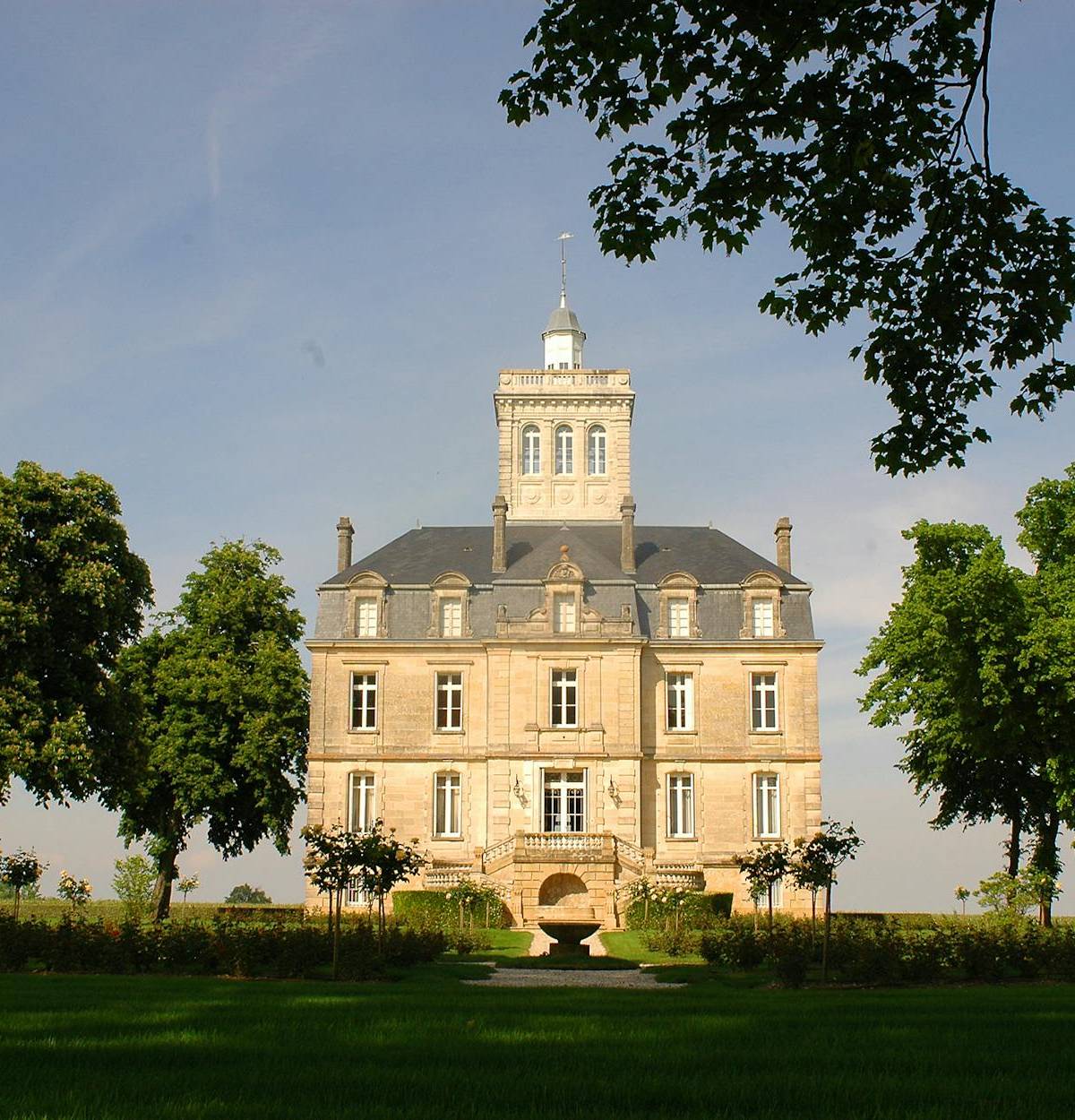
Ready to experience France for yourself? Plan Your France Trip with Chic Trip - a custom route, coordinated bookings and one accountable planner.
About Chic Trip
A journey designed exclusively for you: a personal itinerary, restaurant recommendations refined with your feedback, approved reservations and practical details in the Chic Trip app. Your written proposal confirms the total, inclusions and booking conditions before you commit. Start with a free call or email; no payment or price acceptance is required to enquire.