4 Days in Paris: A First-Timer's Day-by-Day Itinerary
Itinerary and planning 7 min read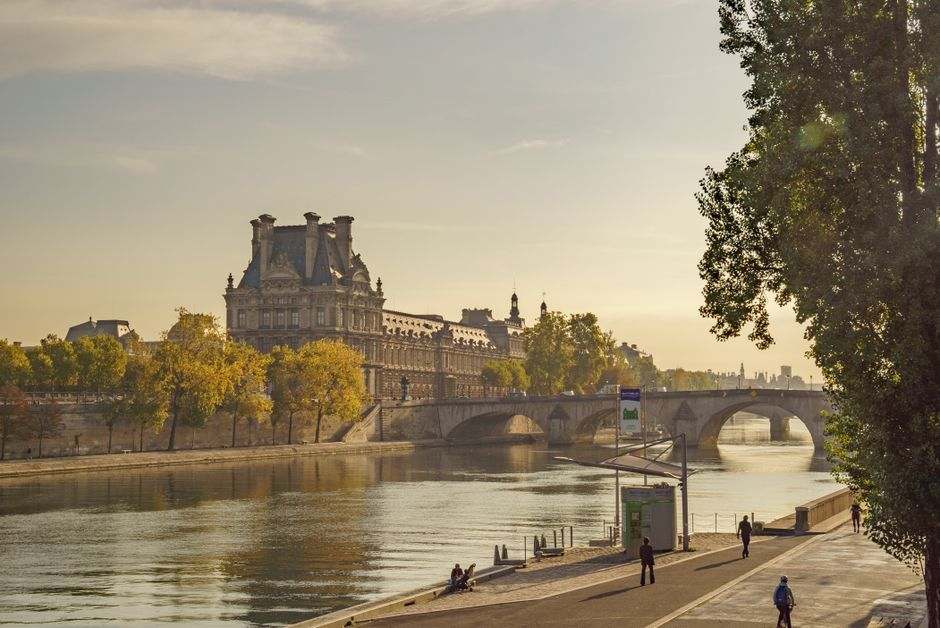
Quick answer
This day-by-day Paris itinerary helps first-time American visitors hit the highlights without burning out, starting with a smart jet-lag recovery plan.
Four days in Paris is enough time to fall genuinely in love with the city, but only if you plan it right. Most first-time visitors from the United States make the same mistakes: they over-schedule Day 1, they underestimate walking distances between arrondissements, and they skip neighborhoods that would have been their favorite part of the trip. This itinerary fixes all of that. It's built around realistic energy levels, logical geography, and the kind of experiences that actually justify a transatlantic flight.
Day 1: Arrive, Recover, and Let the City Ease You In
You will almost certainly land at Charles de Gaulle in the morning after a red-eye, feeling like a slightly crumpled version of yourself. Do not attempt the Louvre today. Instead, take the RER B train directly into the city (it drops you at Saint-Michel or Châtelet depending on your hotel's location), check your bags if your room isn't ready, and walk to a nearby café for a proper French breakfast: a café crème, a croissant, and nothing more ambitious than a window seat. Your only job before noon is to stay awake and absorb the fact that you are actually here.
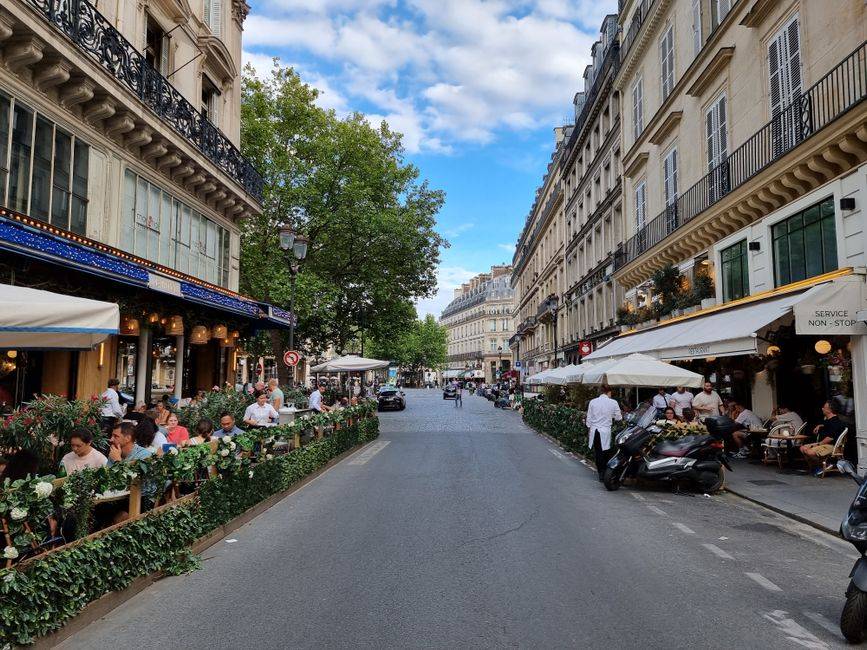
In the afternoon, head to the Marais, one of Paris's most walkable and visually rewarding neighborhoods. Stroll the Place des Vosges, wander the pedestrian streets around Rue de Bretagne, and stop into any pâtisserie that catches your eye. This neighborhood rewards slow, directionless walking far more than a checklist does. Grab an early dinner around 7 p.m., which feels late to your East Coast body but is actually considered early by Parisian standards. Be in bed by 9:30 or 10 p.m. local time. Forcing yourself through that first evening without a nap is the single most effective jet-lag remedy available.
Day 2: The Icons, Done Intelligently
You will sleep hard after Day 1, and you will wake up feeling like yourself again. This is the day to tackle Paris's most famous landmarks, and the sequence matters. Book your Eiffel Tower tickets in advance online, aim for the first entry slot of the morning (around 9 a.m.), and you will have the upper deck largely to yourself. From the tower, walk east along the Seine toward the Trocadéro gardens for the classic view back, then continue into the 7th arrondissement for a late breakfast on Rue Cler, a market street that feels like a living postcard.
After lunch, cross to the Left Bank and walk through Saint-Germain-des-Prés. Browse the bookshops on Rue de Buci, sit for a coffee at Café de Flore or Les Deux Magots (yes, they're touristy, and yes, they're still worth doing once), and then walk north toward the Seine. End the afternoon with a 45-minute Seine river cruise, which gives your feet a rest while orienting you to the city's layout better than any map will. Dinner in Saint-Germain, where the restaurant density is high and the quality floor is reliably above average.
Day 3: Montmartre in the Morning, Le Marais Revisited at Night
Day 3 is when Paris starts to feel like yours rather than a backdrop. Start early in Montmartre, taking the Abbesses metro stop rather than the tourist-clogged funicular to Sacré-Coeur. The hill is steep but the approach through the residential streets is genuinely beautiful, lined with vine-covered walls and small studios. Visit the Sacré-Coeur basilica, then spend an hour in the Place du Tertre if you can tolerate the portrait artists, or bypass it entirely and walk the quieter streets toward the Moulin Rouge neighborhood below.
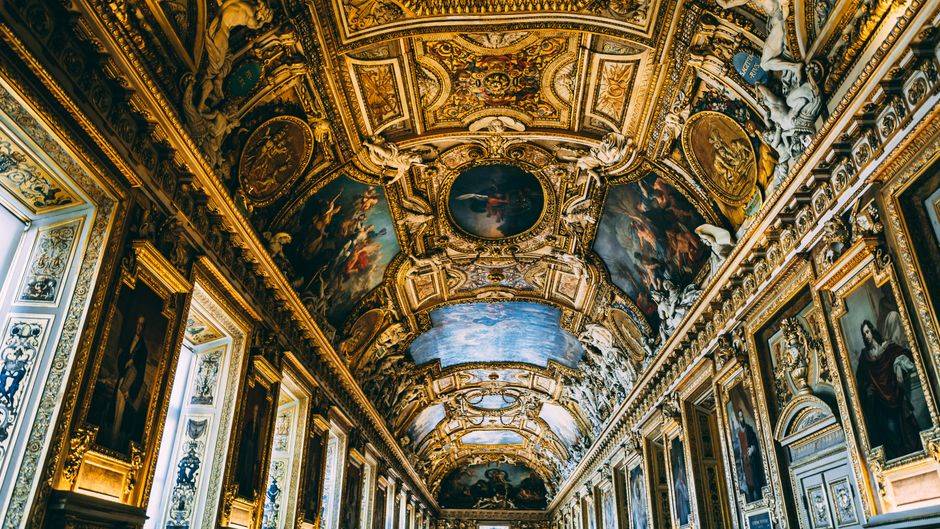
The afternoon is reserved for the Louvre, and a word of strategic advice: don't try to see everything. The museum holds 35,000 objects and nobody has ever left feeling like they did it justice. Pick two or three rooms you actually want to see, the Winged Victory of Samothrace and the Venus de Milo are non-negotiable for first-timers, and give yourself permission to leave after two hours. Reserve a timed ticket and follow the Louvre’s current entrance instructions. Passage Richelieu is not a general shortcut for ordinary ticket holders; allow time for security checks. That evening, return to the Marais for dinner and stay out a little later, the neighborhood's bars and wine caves along Rue de Bretagne and Rue Charlot are some of the best in the city for an unstructured, genuinely local evening.
Day 4: The Left Bank Deep Dive and a Proper Farewell
Save your last full day for the areas that reward a slower pace and a little more cultural curiosity. Begin in the 5th arrondissement, the Latin Quarter, with breakfast near the Panthéon. From there, walk through the Luxembourg Gardens at a genuine stroll, not a power walk between landmarks. The gardens are one of Paris's great free pleasures and most Americans rush through them far too quickly.
After the gardens, work your way through the 6th and into the 7th to visit the Musée d'Orsay, which houses the world's greatest collection of Impressionist painting and is, for most visitors, a more emotionally satisfying museum experience than the Louvre. Book timed entry tickets in advance. Plan about two hours inside. If the weather is good, walk from the Orsay west along the Seine toward the Pont de l'Alma and watch the bateaux navigate the river below the Eiffel Tower at dusk, one of the city's most reliably perfect views and it costs nothing.
For your final dinner, choose a classic French bistro rather than anything trend-forward or modernist. Steak frites, a carafe of house red, a tarte tatin to finish. It's a cliché because it works, and it will become the meal you talk about when you're back home trying to explain what Paris actually felt like.
Pacing and Neighborhood Logic: What Nobody Tells You
Paris is best understood as a city of walking distances that look short on a map and feel considerably longer on the ground, particularly by Day 3 when your feet are staging a quiet protest. Build in one genuine sit-down café break per half-day, not a to-go coffee, but an actual chair, an actual table, and at least twenty minutes. This is not laziness, it's how the city is designed to be used.
Organize each day around one or two neighborhoods rather than trying to cross the city repeatedly. The Right Bank (Marais, Montmartre, the Louvre area) and the Left Bank (Saint-Germain, the 5th, the Orsay) are roughly divided by the Seine, and structuring your days around one side at a time will save you significant transit time and decision fatigue. Use the metro for longer crossings and your own feet for everything else. For occasional journeys, load Metro-Train-RER tickets onto a Navigo Easy card or a compatible phone. The 2026 full fare is €2.55 per journey, excluding airport stations. Bus-Tram tickets are separate. Each traveler needs their own ticket medium; a bank card alone does not open the metro gates.
Finally, resist the impulse to fill every hour. The best Paris travel advice ever given is also the simplest: leave room to get lost. The street you wander down because you took a wrong turn will almost always be more memorable than the attraction you queued forty minutes to see.
Keep exploring: the 10 best restaurants in Paris · the five Statues of Liberty in Paris · Plan your Paris trip with a local
Get our free Insider Paris Guide: the neighborhoods, restaurants and hidden corners we send our own clients. No tourist traps, no filler.
Get the free guide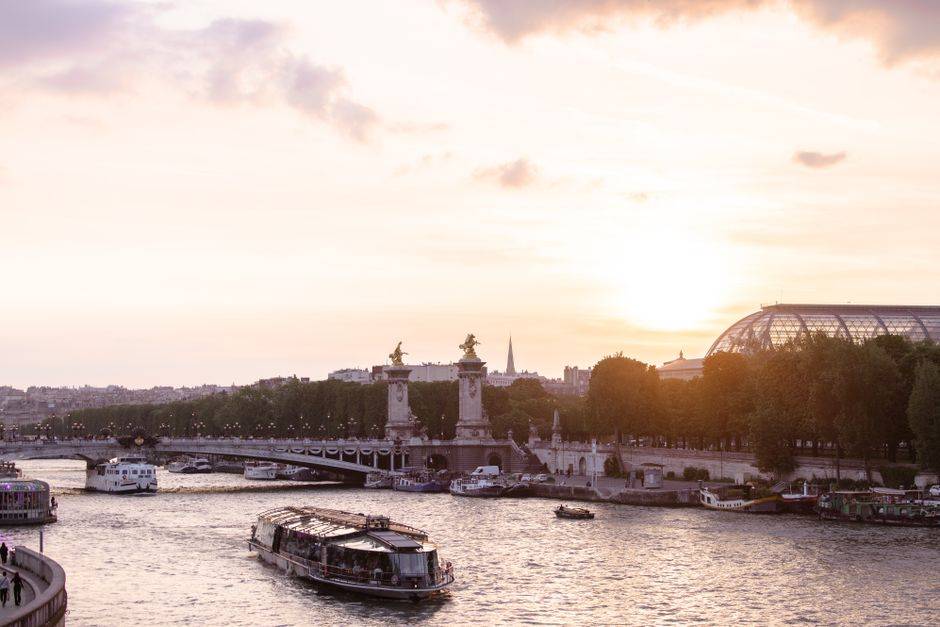
Ready to experience Paris for yourself? Plan Your Paris Trip with Chic Trip - a custom route, coordinated bookings and one accountable planner.
Planning your own Paris trip? Estimate your budget with the free Paris trip cost calculator, find out how many days you need in Paris, check when to book everything in Paris, or build a day-by-day plan with the Paris itinerary planner.
About Chic Trip
Chic Trip is a Paris-based trip planning and booking concierge for American travelers. Founder Frederic Canesso and his Paris team design day-by-day itineraries and coordinate restaurant tables, official timed entries, tours and airport transfers. The planning fee depends on trip length and group size. Restaurant reservations and official tickets are at face price, hotels at public rates, and tours and transfers at clear package prices quoted upfront. Tell us about this trip or read our traveler reviews and feedback.