Rome in 2 Days: The Itinerary That Actually Works
Itineraries 5 min read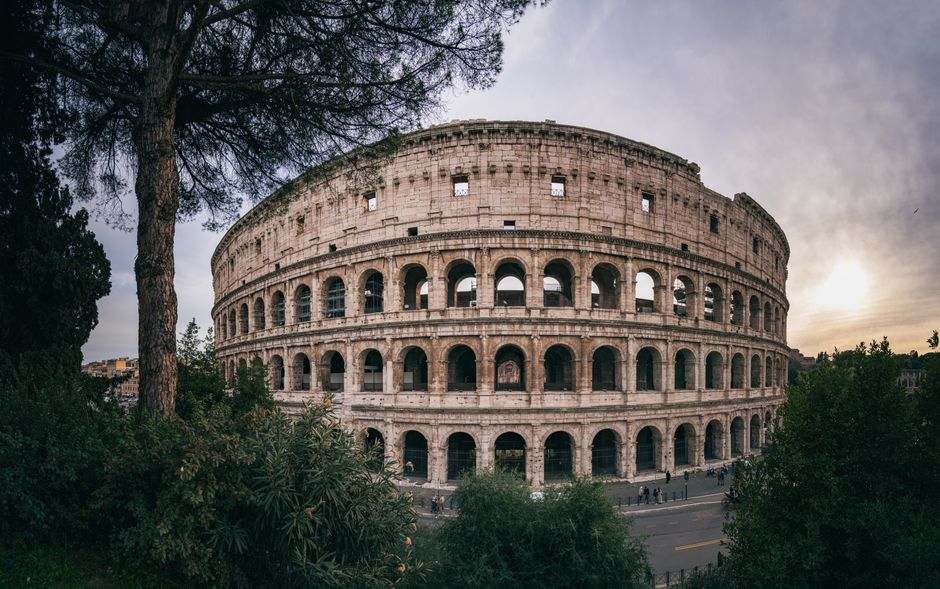
Quick answer
Two days in Rome is enough to fall for it, hard, if you make ruthless choices. The exact 48-hour plan we build for our own clients.
Two days in Rome is not enough to see Rome. Nobody will tell you otherwise honestly. But two days is enough to fall for it, hard, if you make ruthless choices and book the right three tickets in advance. Here is the version we build for our own clients when a Paris trip, a cruise or a tight schedule leaves them exactly forty-eight hours in the Eternal City.
The two rules that make 2 days work
First rule: one bank of the Tiber per day. Ancient Rome and the centro storico on day one, the Vatican and Trastevere on day two. Rome traffic eats itineraries that zigzag, and almost everything you came for sits in two walkable clusters.
Reserve the Colosseum and Vatican Museums for the actual dates you will visit, then check the Pantheon’s current ticketing for your day. The Pantheon is ticketed on weekdays as well as weekends. Timed reservations reduce uncertainty, but they do not remove security queues, and St. Peter’s has its own access arrangements.
Day 1: Ancient Rome and the golden hour classics
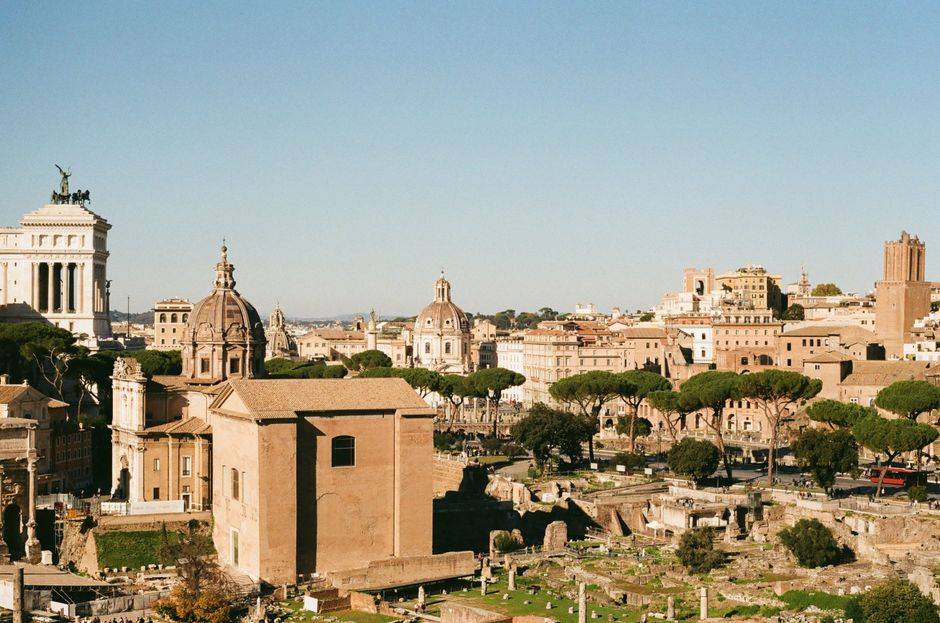
Morning, the Colosseum first. Book an available timed entry and read exactly what your ticket includes. The standard 24-hour Colosseum, Forum and Palatine ticket does not include the arena floor; special areas require the relevant product. After the Colosseum, explore the Forum and Palatine within your ticket’s validity, allowing breaks and enough time for the outdoor terrain. Three to four hours is a planning estimate, not a requirement to rush through every area.
Lunch in Monti. The neighborhood behind the Forum is the oldest in Rome and still feels like a village: ivy, small squares, trattorias where Romans actually eat. A plate of cacio e pepe and a glass of white, and you have done lunch correctly.
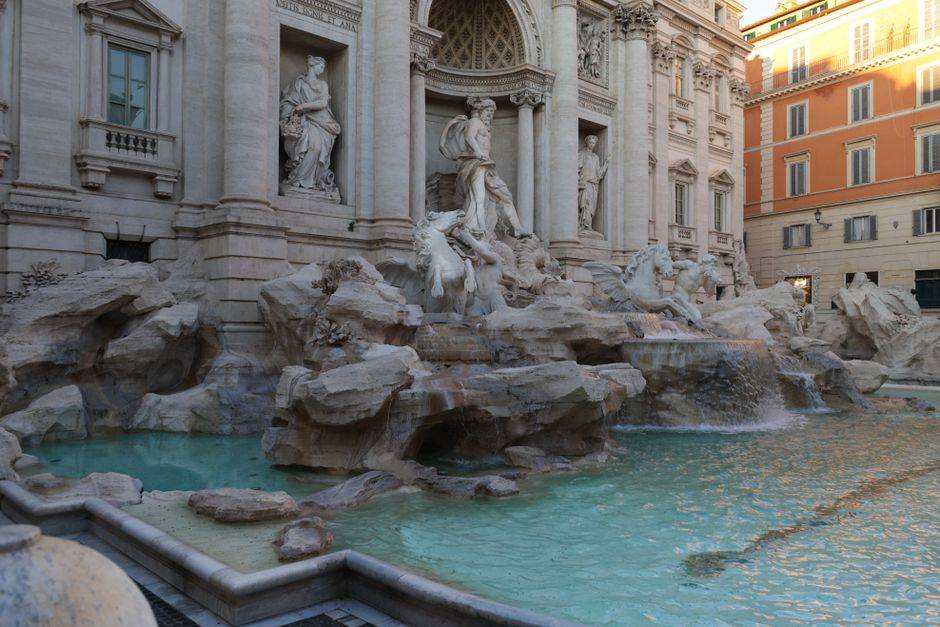
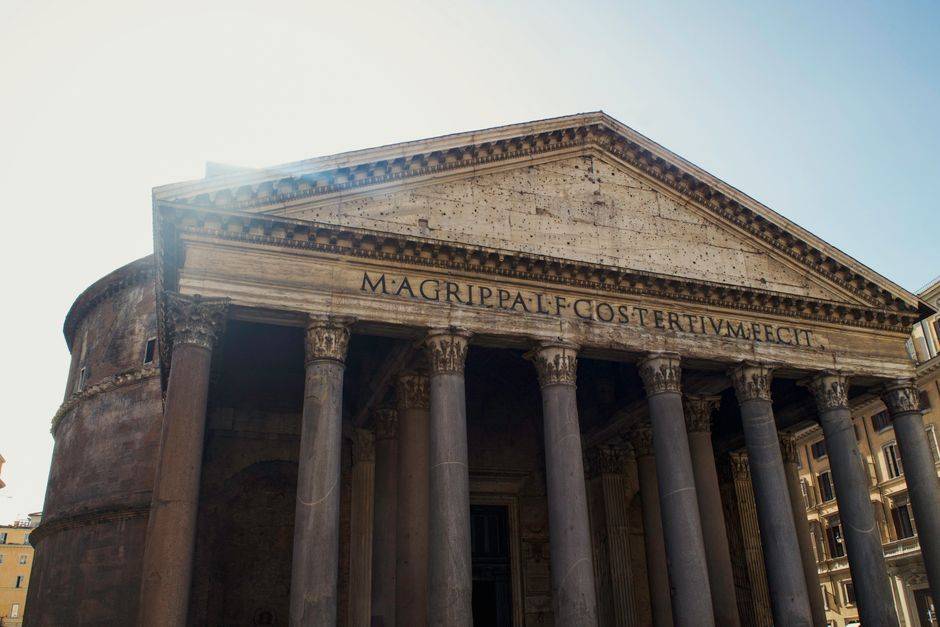
Afternoon, the heart of the centro. Walk to the Pantheon, the best preserved building of ancient Rome and still breathtaking from the inside, that open oculus most of all. Entry is ticketed, with exemptions and conditions listed by the official operator. Check the current booking arrangements for your date, including weekdays. From there it is a ten minute stroll to the Trevi Fountain. Yes it is crowded. Go anyway, everyone should see it once, then escape into the lanes toward the Spanish Steps as the light turns gold.
Evening, Trastevere. Cross the river for dinner in Rome's most beloved quarter: cobbles, laundry lines, candlelit tables. Skip the places with photo menus on the main square, walk two streets deeper, and eat where the menu is short and Italian.
Day 2: The Vatican, then the sweetest side of Rome
Morning, the Vatican Museums with a reserved entry. Choose a focused route that includes the Raphael Rooms and Sistine Chapel without assuming the first slot guarantees quiet galleries. The museums normally close on Sundays except the last Sunday of the month, when free entry has shorter hours and holiday exceptions. Check the official calendar before assigning this day. Allow separate time and security for St. Peter’s Basilica; a Museums ticket is not a general shortcut into it.
Then St Peter's. The basilica itself is free, you simply pass security. The scale is impossible to prepare for. If your legs have another 551 steps in them, the dome climb is the best view in Rome; if not, the Pietà and the sheer size of the nave are enough.
Lunch in Borgo or Prati. The streets east of the Vatican hide honest pizza al taglio counters and old-school trattorias where the clientele is Roman office workers, always a good sign.
Afternoon, the piazzas. Wander back across the river to Piazza Navona, Bernini fountains and street painters, then Campo de' Fiori and its market square. This is unstructured time on purpose: the best hour of a Rome trip is usually the one with no plan, a coffee standing at a counter, a church you entered out of curiosity.
Sunset from the Gianicolo. The terrace above Trastevere gives you the whole city, domes and umbrella pines, for free. Then one last dinner below in Trastevere, and a final gelato on the walk home. That is two days spent perfectly.
What to skip with only 2 days
The Borghese Gallery, magnificent but it demands its own reserved half-day. Day trips, all of them, Ostia and Tivoli deserve a third day, not a rushed afternoon. And checklist-museum-hopping in general: with 48 hours, Rome rewards walkers over collectors.
Is 2 days enough, honestly?
Enough to see the icons, eat three great meals and understand why people never stop coming back: yes. Enough for Rome: no city this dense gives itself up in a weekend. If your schedule has any give at all, read our guide on how many days Rome really deserves, or the full 3-day version of this itinerary, one extra day changes the trip more than you would think.
Want it all booked for you?
We plan and book Rome the way we do Paris: your days built around what you love, timed entries and restaurant reservations requested around your plans, with admissions and tours at selling prices agreed upfront. See our Rome vacation packages, or pair it with Paris in one Paris and Rome trip, or tell Fred about your trip.
Ready to experience Rome for yourself? Plan Your Rome Trip with Chic Trip - a custom route, coordinated bookings and one accountable planner.
About Chic Trip
A journey designed exclusively for you: a personal itinerary, restaurant recommendations refined with your feedback, approved reservations and practical details in the Chic Trip app. Your written proposal confirms the total, inclusions and booking conditions before you commit. Start with a free call or email; no payment or price acceptance is required to enquire.