Amalfi Coast or Tuscany? How to Choose the Right Italy Trip
Italy Travel 4 min read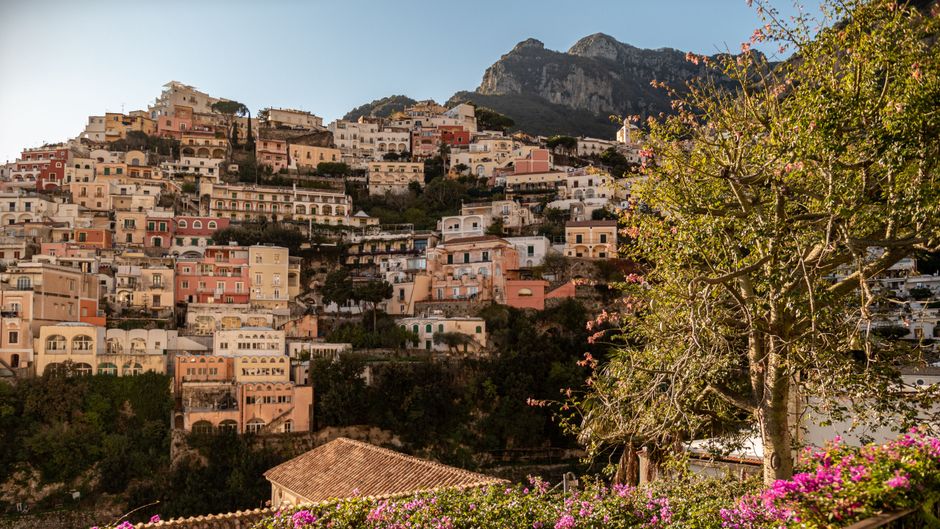
Quick answer
Both are beautiful. They are not interchangeable: one is a vertical coastal trip organised around ferries, the other combines art cities with dispersed countryside.
Last verified: September 13, 2026. If you are choosing between the Amalfi Coast and Tuscany, do not start with photographs. Start with the trip you want to live. The Amalfi Coast is a compact, vertical coastline where ferries, stairs and seasonality shape every day. Tuscany is a large region where art cities work by train but the famous countryside works best with a car or driver.
The short answer: choose Amalfi for sea, dramatic views and a slower stay in one coastal base. Choose Tuscany for art, wine, hill towns and a route with two contrasting bases. If you have ten nights or more, you can include both—but the transfer between them consumes real time and should not be disguised as sightseeing.
The decision in one minute
- Best for a first Italy trip: Tuscany, especially when paired with Rome or Venice.
- Best for a romantic sea escape: Amalfi Coast.
- Best without a car: Amalfi in ferry season, or Florence-based Tuscany. Rural Tuscany is not naturally car-free.
- Best for museums and architecture: Tuscany.
- Best for swimming and boats: Amalfi, from late spring into early autumn.
- Best with limited mobility: a carefully chosen Tuscan city base. Positano and many coast hotels involve steep lanes and stairs.
Season: the choice that changes everything
The Amalfi Coast is strongly seasonal. Ferries simplify movement during the warmer part of the year, while many coastal hotels and restaurants reduce operations or close in winter. July and August bring heat, high rates and intense pressure on the coast road. May, June and September usually offer the best balance for travellers who want the sea without peak congestion.
Tuscany has a longer useful season. Florence, Siena and Lucca remain real cities in winter, although countryside estates may reduce hours. Spring brings greener landscapes; September and October bring harvest energy; midsummer can be very hot in the art cities. If your dates fall between November and March, Tuscany is generally the more resilient choice.
Transport: ferries versus a deliberate road plan
On Amalfi, the sea is often the most efficient road. A coherent arrival is fast train to Naples or Salerno, followed by a booked transfer or seasonal ferry to one base. Changing hotels between Positano, Amalfi and Ravello usually adds luggage friction without improving the trip. Stay put and visit the other towns by water or local transfer.
In Tuscany, Florence works beautifully without a car and regional trains connect several cities. The countryside is different. Chianti, Val d’Orcia estates and small hill towns are dispersed. A rental car creates freedom; a driver earns the cost on wine days and removes parking, restricted-traffic and alcohol concerns. The official Visit Tuscany transport guidance similarly separates rail-served cities from places reached by regional buses or road.
What seven nights look like
Seven nights on the Amalfi Coast
Use one coast base for four or five nights, then add Naples or Rome rather than changing villages every night. A strong coast stay includes one ferry day, one garden or hill-town day, one boat or beach day and one day left flexible for weather. Positano gives the postcard, Amalfi gives practical ferry connections, and Ravello gives quieter evenings above the water.
Seven nights in Tuscany
Use Florence for three nights and one countryside base for four. Protect the Uffizi, Accademia or Duomo reservations first, then move into Chianti or Val d’Orcia for estates, villages and long meals. Our Tuscany base finder helps choose the second base according to transport and priorities.
Which one costs more?
Amalfi normally has the higher summer hotel and transfer cost, particularly in Positano, and last-minute logistics are punitive. Tuscany offers a wider range of hotels, but a rental car, parking or private driver can materially change the total. The honest comparison must use your dates and desired comfort: “Tuscany is cheaper” is not true if the plan adds several chauffeured days; “Amalfi requires luxury” is not true if you base in a practical town and use public ferries.
Can you combine both?
Yes, with enough time. For ten to fourteen nights, a clean shape is Florence and the Tuscan countryside, fast train south, then one Amalfi base. For seven nights, choose one. The day lost to checking out, reaching the station, travelling south and climbing into a coast hotel is a real day—not a thin line on a map.
Our recommendation
Choose Tuscany when the trip is about discovery: art, food, villages and different landscapes. Choose Amalfi when the trip is about inhabiting one extraordinary place and allowing the weather and water to set the rhythm. See our Tuscany planning guide and Amalfi Coast planning guide, or ask us to price both versions before you decide.
Official planning sources
Ready to experience Italy for yourself? Plan Your Italy Trip with Chic Trip - a custom route, coordinated bookings and one accountable planner.
About Chic Trip
Chic Trip is a Paris-based trip planning and booking concierge for American travelers. Founder Frederic Canesso and his Paris team design day-by-day itineraries and coordinate restaurant tables, official timed entries, tours and airport transfers. The planning fee depends on trip length and group size. Restaurant reservations and official tickets are at face price, hotels at public rates, and tours and transfers at clear package prices quoted upfront. Tell us about this trip or read our traveler reviews and feedback.