3 Days in Paris: A First-Timer's Day-by-Day Itinerary
Itinerary and planning 11 min read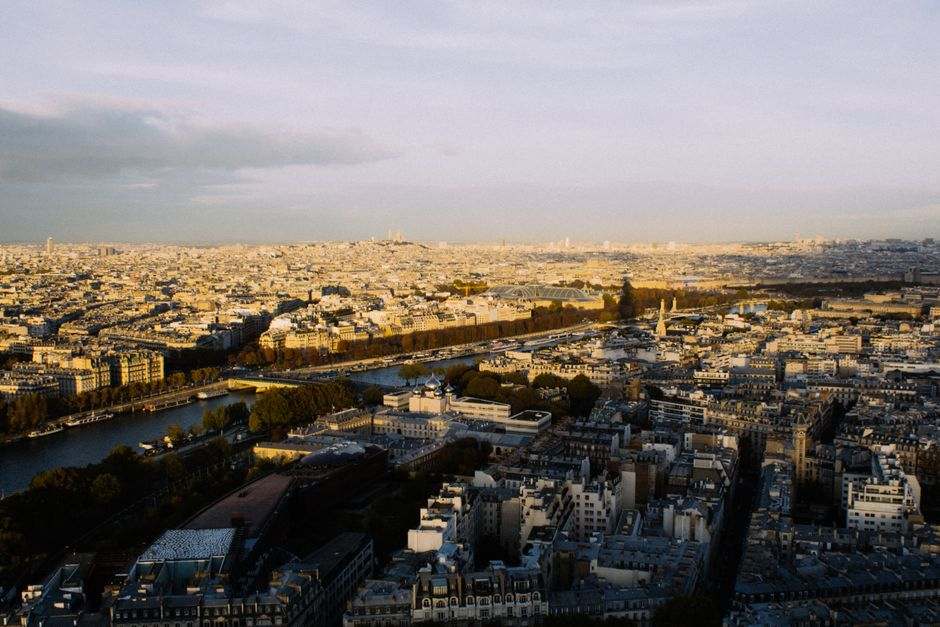
Quick answer
Three days in Paris is enough to hit the iconic landmarks, eat exceptionally well, and actually feel the city, if you plan each hour with intention.
Three days in Paris sounds impossibly short until you realize that most first-time visitors waste half of day one recovering from a transatlantic flight and the other half wandering without a plan. This itinerary is built differently. It accounts for jet lag, front-loads your highest-energy experiences, groups attractions by neighborhood to minimize transit time, and leaves just enough breathing room for the spontaneous café stop or market detour that makes Paris feel like Paris. If you have a long weekend or a tight window between connecting trips, this is how you spend it.
Before You Land: Set Yourself Up to Hit the Ground Running
The single biggest threat to a three-day Paris trip is arriving exhausted and spending your first afternoon horizontal in a hotel room. Most transatlantic flights from the East Coast land at Charles de Gaulle between 7 and 10 a.m. local time, which means your body thinks it's the middle of the night. Fight it. Book a hotel with flexible early check-in if your budget allows, or choose a property that will store your luggage so you can walk straight into the city. The RER B links CDG with central Paris. The full-fare Paris Region Airports ticket is €14 in 2026; allow additional time to reach your terminal’s station and make any hotel connection. Skip the taxi for arrival unless you have a lot of luggage.
In the two days before your flight, start shifting your sleep schedule an hour or two later each night. On the plane, set your watch to Paris time immediately, avoid alcohol, drink water aggressively, and sleep only if it's nighttime in Paris. When you land, get into daylight as fast as possible. Sunlight is the most effective reset tool you have. Plan your first day around outdoor walking rather than museums, which will tempt you to sit in dim rooms and fall asleep on your feet.
Day One: The Right Bank, the River, and the Eiffel Tower at Dusk
Your priority on day one is simple: stay awake, stay outside, and see the city from its most iconic vantage points. Start in the Marais, one of the most walkable and visually rewarding neighborhoods in Paris. Check into your hotel, drop your bags, and head directly to Place des Vosges, the city's oldest planned square, lined with red-brick arcades and surrounded by galleries and cafés. It's a ten-minute walk from the Saint-Paul metro station. Have your first real Paris coffee here. Don't eat yet if you're still on American time, but drink the coffee.
From Place des Vosges, walk west along the Seine toward the Île de la Cité. Cross onto the island and walk around Notre-Dame Cathedral, now open again with free admission; check its official visiting and reservation information. Cross the Pont Saint-Louis onto Île Saint-Louis and pick up a scoop from Berthillon, the ice cream institution that has been on this island since 1954. Flavors like salted caramel and wild strawberry are worth the short line.
By early afternoon, take the metro from Cité station to Trocadéro. The view of the Eiffel Tower from the Trocadéro esplanade is the best in the city, and it's free. Spend time here before crossing the Champ de Mars. If you've booked tickets in advance, ascend the tower in the late afternoon so you can experience it both in daylight and at dusk when the lights come on. Book tickets at least two weeks ahead on the official Eiffel Tower website. The summit is worth the extra cost on your first visit.
For dinner, stay in the 7th arrondissement or cross back to Saint-Germain-des-Prés. Rue de Buci has a cluster of reliable bistros. Order a croque monsieur or steak frites, have a glass of Burgundy, and be in bed by 10 p.m. Paris time. Do not try to power through to midnight on day one. A solid seven hours of sleep will make days two and three dramatically more productive.
Day Two: The Louvre, the Tuileries, and an Afternoon in Montmartre
Day two is your highest-mileage day in terms of cultural weight, so start with a real breakfast. The French take breakfast lightly, but you need fuel. A bakery croissant and café au lait is fine if you eat it at the counter, which is both cheaper and more authentic. Near the Louvre, try any of the bakeries along Rue de Rivoli or the side streets off Rue Saint-Honoré.
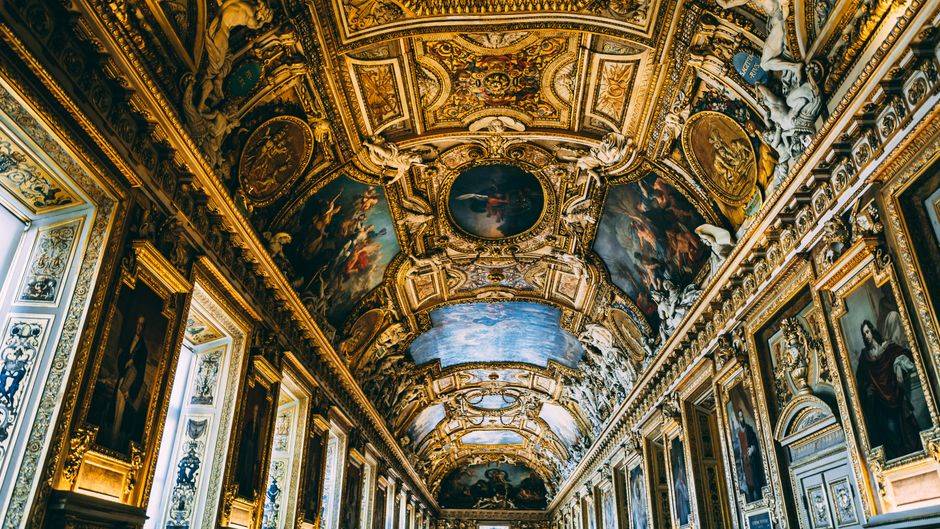
Be at the Louvre when it opens at 9 a.m. Reserve a timed ticket and follow the Louvre’s current entrance instructions. Passage Richelieu is not a general shortcut for ordinary ticket holders; allow time for security checks. Do not attempt to see the entire Louvre. It is not possible in a single morning, and trying will leave you demoralized. Pick three or four anchors: the Winged Victory of Samothrace on the Daru staircase, the Venus de Milo in the Greek antiquities wing, the Dutch Masters rooms in Richelieu, and then the Denon wing for the Italian paintings, including the Mona Lisa. The Mona Lisa room is crowded at any hour, but the surrounding Italian Renaissance works are extraordinary and far less mobbed. Give yourself two hours total and leave before your feet give out.
Walk through the Tuileries Garden, which connects the Louvre to the Place de la Concorde. Grab a drink or a crêpe from one of the garden kiosks and rest on one of the green metal chairs along the central pool. This is exactly what Parisians do. Cross Place de la Concorde and walk up the Champs-Élysées if you want to check the box, though the street itself is more commercial than magical. The Arc de Triomphe at the top is worth ascending for the 360-degree view over Haussmann's perfectly radiating boulevards. Tickets are required and inexpensive.
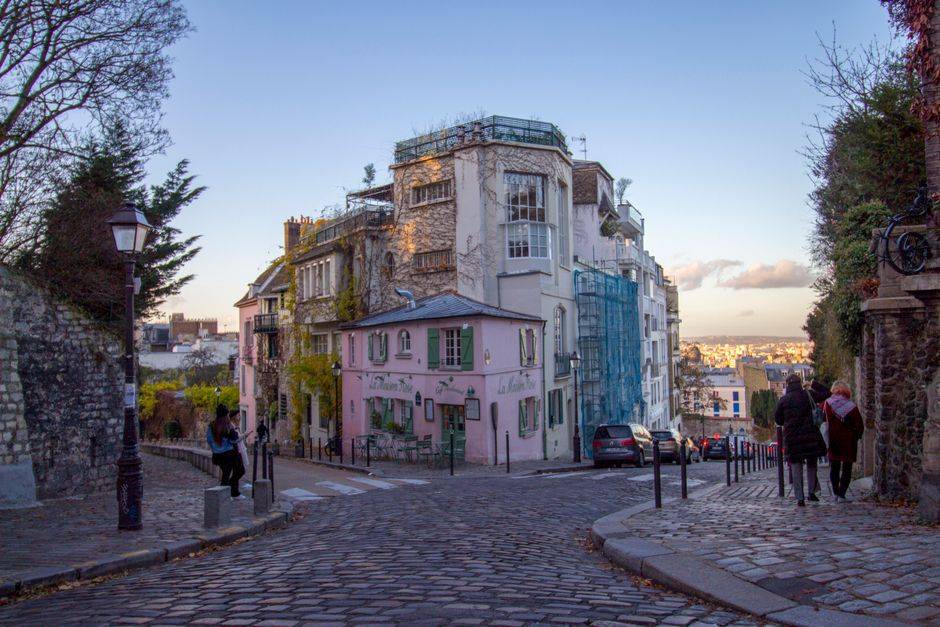
After lunch, take the metro to Montmartre for the afternoon. The Abbesses station, with its green Art Nouveau entrance canopy, is one of the most photographed metro stops in the city. Walk up the winding streets past studios and wine bars to the Sacré-Coeur Basilica. The view from the steps over the Paris rooftops is sweeping and requires no ticket. Explore the Place du Tertre, which is touristy but charming, and duck into the smaller streets like Rue Lepic or Rue des Abbesses for a quieter, more residential feel. This is where you'll find the windmills, the vineyard, and the café that was used as the set of the film Amélie, which is called Café des Deux Moulins on Rue Lepic.
For dinner, stay in Montmartre or descend to Pigalle and the South Pigalle neighborhood, known locally as SoPi, which has become one of the best restaurant districts in Paris over the past decade. Reservations are strongly recommended for dinner anywhere in the city. Book through the restaurant's own website or through TheFork, which is the dominant reservation platform in France.
Day Three: Saint-Germain, Musée d'Orsay, and a Final Stroll
By day three your body clock is adjusting and you're walking faster and sleeping better. Use this energy for a more relaxed, neighborhood-focused morning before your afternoon cultural anchor. Start in Saint-Germain-des-Prés with a long breakfast at Café de Flore or Les Deux Magots. Yes, both are tourist landmarks. Order anyway. The people-watching and the ritual of a long French breakfast, bread, butter, jam, a boiled egg, and a large café crème, is worth the premium price on your last morning.
Walk south from Saint-Germain through the Luxembourg Gardens, which is the most beautiful public park in Paris and significantly less crowded than the Tuileries. Parisians run here in the mornings, play chess at the outdoor tables, and sail model boats in the central fountain on weekends. Sit for fifteen minutes. You have earned it.
Head to the Musée d'Orsay for the late morning. This is, by a wide margin, the most manageable major museum in Paris for a first visit. It covers Impressionist and Post-Impressionist art in a converted train station, and the building itself is as remarkable as the collection. Monet's water lilies studies, Renoir's Moulin de la Galette, Degas's dancers, Van Gogh's self-portraits, and Rodin's sculptures fill a space that never feels overwhelming. Two hours is plenty. Book timed tickets in advance.
Spend your final afternoon in the 6th and 7th arrondissements, walking along the Seine, browsing the green bouquiniste bookstalls that line the river, and doing any last-minute shopping. Paris is exceptional for food gifts to bring home: sealed tins of pâté, sealed jars of mustard from Maille, vacuum-packed coffee from a specialty roaster, or chocolate from a chocolatier like Patrick Roger or La Maison du Chocolat.
If your flight is the next morning, aim for an early dinner and an early night. CDG is a significant distance from central Paris and security lines can be long. Give yourself at least three hours before departure, which means a very early alarm. If you're flying out of Orly, which serves more budget carriers, allow two hours and take the Orlyval shuttle train from Antony station.
How to Pace Each Day Without Burning Out
The standard mistake is packing every hour with scheduled activities. Paris rewards wandering, but only if you've protected time for it. A workable daily rhythm for a first-timer looks like this: one major museum or landmark in the morning, a two-hour midday break that includes a proper sit-down lunch, one neighborhood or outdoor destination in the afternoon, and a long dinner. That structure gives you six to eight hours of activity without the death march feeling that turns trips into ordeals.
Walk wherever the distance is under thirty minutes. The Paris metro is excellent but it insulates you from the city. The streets between the Louvre and the Marais, between Saint-Germain and the Eiffel Tower, between the Orsay and Notre-Dame, are where Paris actually happens. Wear comfortable shoes from day one. This is not negotiable.
Where to Stay for a Three-Day Trip
Location matters more on a short trip than on a longer one because you cannot afford to spend forty minutes commuting to your first stop each morning. The 6th, 7th, and 1st arrondissements are the most central and place you within walking distance of nearly everything in this itinerary. The Marais in the 3rd and 4th is equally well-positioned and more interesting at street level. Avoid hotels near the airport, in La Défense, or in the far reaches of the 15th or 20th unless you are getting an extraordinary rate, because the time cost in transit will eat your trip.
Boutique hotels in the four-star category in these neighborhoods run between 250 and 500 dollars per night. If that's above budget, look at the 9th arrondissement near the Opéra Garnier, which offers good transit connections and slightly lower rates while still keeping you inside the city's cultural core.
Practical Details That Actually Matter
Notify your bank before you travel. French merchants use chip-and-PIN terminals and some automated kiosks, including metro ticket machines and bike-share stations, will not process American magnetic-stripe cards without a PIN. Request a PIN from your bank before departure or carry euros in cash for smaller purchases. ATMs at major banks like BNP Paribas and Société Générale offer reliable exchange rates and accept American cards with a chip.
Tap water in Paris is safe and excellent. Restaurants will bring you a carafe d'eau at no charge if you ask for it. Tipping is not mandatory in France as service is included by law, but leaving one or two euros on a café table or rounding up a restaurant bill is appreciated and appropriate. Do not tip the way you would in New York. It is not expected and can occasionally cause confusion.
For occasional journeys, load Metro-Train-RER tickets onto a Navigo Easy card or a compatible phone. The 2026 full fare is €2.55 per journey, excluding airport stations. Bus-Tram tickets are separate. Each traveler needs their own ticket medium; a bank card alone does not open the metro gates. Check the last train for your actual station and direction before a late evening out.
Keep exploring: the 10 best restaurants in Paris · 15 hidden gems most tourists miss · Plan your Paris trip with a local
Get our free Insider Paris Guide: the neighborhoods, restaurants and hidden corners we send our own clients. No tourist traps, no filler.
Get the free guide
Ready to experience Paris for yourself? Plan Your Paris Trip with Chic Trip - a custom route, coordinated bookings and one accountable planner.
Planning your own Paris trip? Estimate your budget with the free Paris trip cost calculator, find out how many days you need in Paris, check when to book everything in Paris, or build a day-by-day plan with the Paris itinerary planner.
About Chic Trip
A journey designed exclusively for you: a personal itinerary, restaurant recommendations refined with your feedback, approved reservations and practical details in the Chic Trip app. Your written proposal confirms the total, inclusions and booking conditions before you commit. Start with a free call or email; no payment or price acceptance is required to enquire.