Ten Days in Italy: Rome, Florence and Venice for First-Timers
Itinerary and planning 9 min read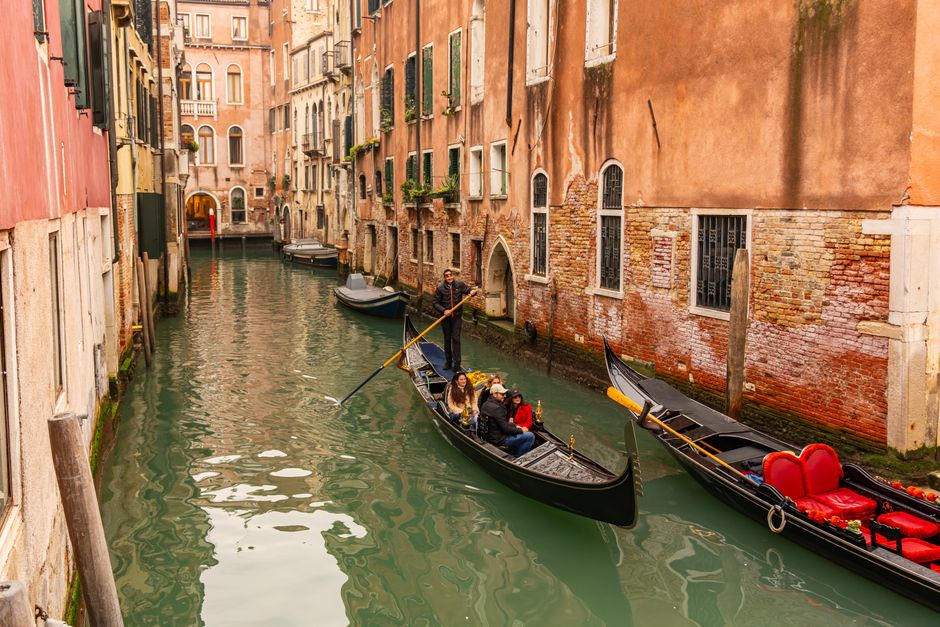
Quick answer
A realistic ten-day Italy itinerary for Americans covers Rome, Florence and Venice by high-speed train with smart pacing, advance bookings and light luggage.
For a first trip, spend four nights in Rome, three in Florence and two in Venice, connected by high-speed train. That gives you ten calendar days in Italy, including arrival and departure, with just two hotel moves. Fly into Rome and home from Venice if the flights suit your dates, or reverse the route. This is a satisfying introduction, not a promise to see everything.
This plan counts day one as your arrival in Italy. If your ten-day vacation includes the overnight flight from the United States, you may have fewer nights on the ground. Check that before booking hotels.
Ten days in Italy at a glance
- Days 1 to 4, Rome: settle in, explore ancient Rome, visit the Vatican and leave time for neighborhood walks. Four nights.
- Days 5 to 7, Florence: Renaissance art, the Duomo area, the Oltrarno and relaxed meals. Three nights.
- Days 8 and 9, Venice: canals, St. Mark's, the Doge's Palace and quieter corners beyond the busiest routes. Two nights.
- Day 10: airport transfer and departure. Any sightseeing is a bonus, not something to rely on.
Our recommendation is to anchor each day with one major visit, then build nearby walks and meals around it. A beautiful itinerary still needs room for a long lunch, tired feet and an unexpectedly lovely square.
Days 1 to 4: Rome, with time to settle in
Day 1: arrival and a gentle first evening
Drop your bags at the hotel and keep the afternoon flexible. A short walk around your neighborhood, a coffee and an early dinner are enough after an overnight flight. Do not put a nonrefundable museum reservation between your landing time and check-in.
Day 2: ancient Rome
Make the Colosseum, Roman Forum and Palatine your main outing, with a proper lunch break afterward. Allow around half a day for the combined archaeological visit, not half a day inside the Colosseum itself: admission products have their own time limits. Finish with a slower wander through Monti rather than crossing the city for another major museum.
Booking detail: the Colosseum's official visitor information lists a 30-day advance sales opening. The Underground and Arena product also specifies 30 days. Check the exact ticket you want on the official ticketing site; do not assume every product or special event follows the same release schedule. Set your reminder for the opening, rather than trying to buy before sales begin. A reserved entry time does not remove security checks.
Day 3: the Vatican, then a quieter afternoon
Give the Vatican Museums and Sistine Chapel their own morning or afternoon. If you also want St. Peter's Basilica, allow separate time and check access arrangements rather than assuming your museum ticket includes a direct connection. Follow the visit with lunch nearby and a walk toward the Tiber if you have the energy.
The Vatican Museums' official calendar normally closes most Sundays, with a last-Sunday exception and additional holiday closures. Swap days two, three and four to fit your actual dates and available tickets.
Day 4: Rome beyond the big-ticket visits
Link the Pantheon area, Piazza Navona and Campo de' Fiori at an unhurried pace, choosing the stops that interest you. Save Trastevere for a late-afternoon stroll and dinner. If art is your priority, substitute another booked museum for part of the walk rather than adding it on top. For more ideas, see our three-day Rome guide.
Days 5 to 7: Florence, art and the Oltrarno
Travel from Roma Termini to Firenze Santa Maria Novella on day five. Allow time on either side for checking out, reaching the station, storing bags and finding your hotel. A short train journey is still a hotel-change day.
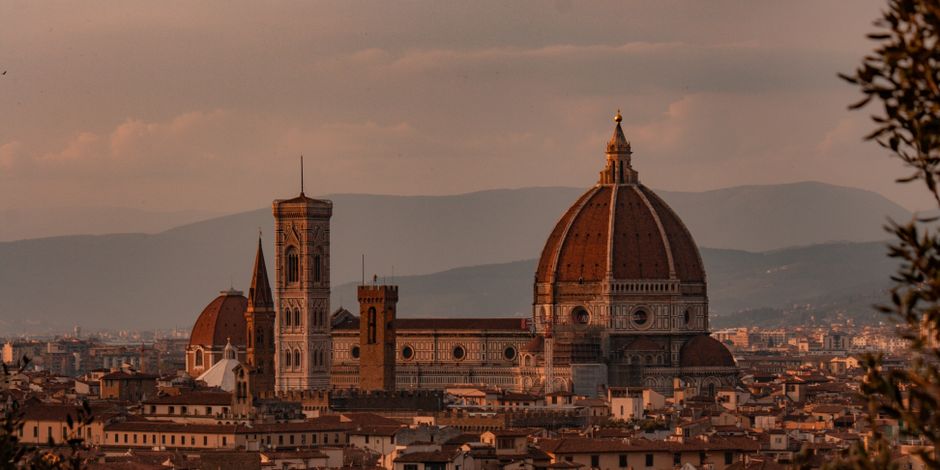
- Day 5: arrive, have lunch and explore the Duomo area and Piazza della Signoria. Keep any timed climb or museum visit comfortably clear of your train arrival.
- Day 6: make the Uffizi your main visit, then cross the Arno for the Oltrarno's smaller streets and dinner.
- Day 7: choose the Accademia for Michelangelo's David or more of the Duomo complex, followed by a relaxed afternoon and a city viewpoint if the weather suits.
The Uffizi normally closes on Mondays, so this order must follow the calendar rather than a rigid day number. Our Florence guide helps you choose which visits matter most.
If the Tuscan countryside is a must, replace one Florence sightseeing day with an excursion. Do not promise yourself the full museum list plus Siena and Chianti in the same three-night stay. Choosing less is how this route stays enjoyable.
Days 8 and 9: Venice, both the landmarks and the quieter canals
Book your train to Venezia Santa Lucia if you are staying in historic Venice, rather than automatically choosing Venezia Mestre on the mainland. Plan how you will reach your hotel with luggage; bridges and water transport make the last part of this journey different from Rome or Florence.
Use day eight for settling in, a Grand Canal vaporetto ride and a walk in Cannaregio or Dorsoduro. On day nine, give St. Mark's Basilica and the Doge's Palace the time they deserve, checking tickets and opening arrangements ahead. Leave the rest of the day for a small gallery, a canalside lunch or an aimless walk away from the main thoroughfares.
Two nights is a compromise that fits this three-city route, not a limit on what Venice offers. If its art, islands or atmosphere are the main reason you are coming, give it another night by reducing time elsewhere. Likewise, a Murano and Burano outing replaces much of a city day; it is not a quick extra between two museum visits.
Day 10: fly home without backtracking
Compare a multi-city flight booking into Rome and out of Venice with the same trip in reverse. Venice can be a practical departure point, but the right answer depends on your home airport, dates and connections. Check the airport's destination information and the airline's actual schedule before committing to the route.
Work backward from your flight's check-in requirements to choose your hotel departure time. Do not assume a late-morning checkout will work for an early-afternoon international flight. If a Rome round trip is clearly better, either start in Venice and finish in Rome or revise the itinerary to return to Rome the day before flying. We would not build this relaxed first trip around a same-day Venice-to-Rome train followed by a separate transatlantic flight.
High-speed trains: the practical details
Compare Trenitalia and Italo for your dates, station names and fare conditions. Italo's published route guide gives these useful planning benchmarks:
- Rome to Florence: around 1 hour 30 minutes.
- Florence to Venice: around 2 hours 15 minutes.
- Rome to Venice: around 4 hours.
These are train journey benchmarks, not door-to-door transfer times. Your selected service may differ. Book once the timetable is available and your route is settled; there is no single three-to-six-month release rule or guaranteed cheapest booking week that applies to every service. Compare the price with its change and refund conditions, especially if your plans are still moving.
Standard class can be good value; compare an upgrade if extra space matters to you. Travel with luggage you can comfortably lift and manage yourself. Keep valuables with you and use the appropriate luggage storage rather than trying to lift a heavy suitcase overhead.
What this itinerary deliberately leaves out
This route does not include Lake Como, the Amalfi Coast, Cinque Terre or a substantial stay in rural Tuscany. It also leaves out many worthwhile museums in each city. Those omissions are deliberate: adding all of them would turn ten days into a series of transfers.
If beaches, countryside or smaller towns matter more to you than art museums, change the structure before booking. Two cities plus a rural stay may suit you better than this classic three-city introduction. In hot weather, favor earlier outdoor visits and a midday break; in the cooler months, protect daylight for walks and keep an indoor alternative. Build the final version around the forecast and opening calendars for your dates.
Pack for the journey you are actually taking
One manageable suitcase and a day bag are our suggested starting point, especially with two train journeys. Pack comfortable shoes you have already worn, repeatable layers and a compact waterproof option. Check whether your chosen hotels have elevators and whether your Venice arrival involves carrying bags over bridges. A little attention here can matter more than an extra sightseeing stop.
Planning fees and trip costs are separate
With Chic Trip, the planning fee is shown separately from hotels, trains, meals, tickets and experiences. We review your route, dates, pace and priorities before setting out the scope and quote. Nothing in this sample itinerary is a confirmed reservation or a fixed-price package. The point is to choose the right trip first, then price and approve the actual arrangements.
See how our custom Italy planning service works if you would like help turning this framework into a trip built around you, with coordinated bookings and support while you travel.
Frequently asked questions
Is ten days enough for Rome, Florence and Venice?
Yes, as an introduction with four nights in Rome, three in Florence and two in Venice. That is nine nights and ten calendar days on the ground, including arrival and departure. It leaves room for selected highlights and neighborhood time, not every attraction.
When should I book Colosseum tickets?
Prepare before the release date. The official general sales guidance and Underground and Arena listing currently specify a 30-day opening. Recheck your exact product and visit date on the official ticketing site, since special products can follow different arrangements.
Should I start in Rome or Venice?
Let flight options and museum opening days help decide. Rome to Florence to Venice and its reverse both work. Avoid an unnecessary return to your arrival city just because the first flight search defaulted to a round trip.
Can I add a day in Tuscany?
Yes, by replacing some Florence sightseeing. With three nights in Florence, an excursion should be a conscious trade-off, not an additional day squeezed into a full schedule.
Practical information reviewed on September 14, 2026. Recheck official schedules, ticket releases and opening calendars for your travel dates.
Your Italy trip, at your pace
Tell us what you want to see, what you would rather skip and how you like to travel. We will help shape a coherent route before you commit to the details.
Plan my Italy trip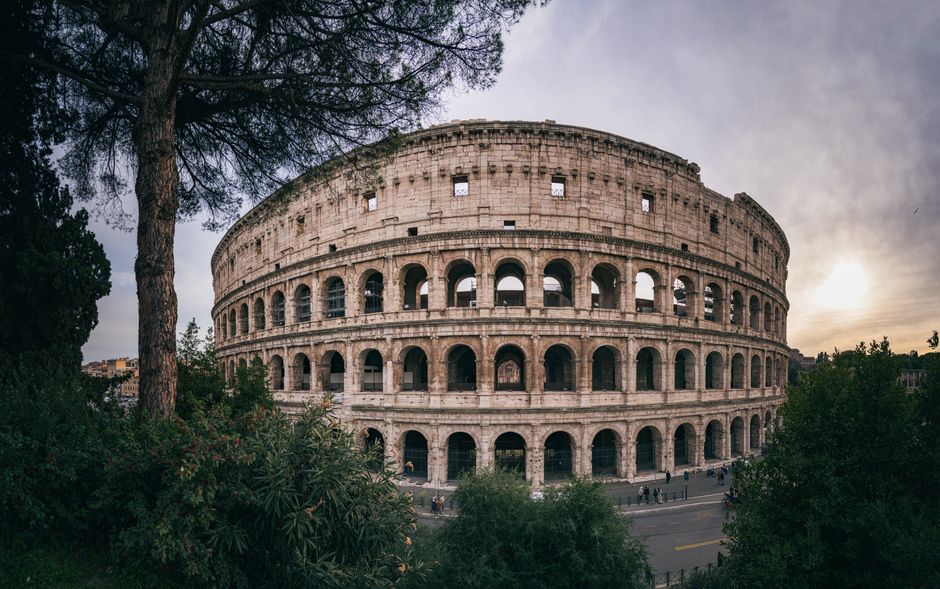
Ready to experience Italy for yourself? Plan Your Italy Trip with Chic Trip - a custom route, coordinated bookings and one accountable planner.
About Chic Trip
Chic Trip is a Paris-based trip planning and booking concierge for American travelers. Founder Frederic Canesso and his Paris team design day-by-day itineraries and coordinate restaurant tables, official timed entries, tours and airport transfers. The planning fee depends on trip length and group size. Restaurant reservations and official tickets are at face price, hotels at public rates, and tours and transfers at clear package prices quoted upfront. Tell us about this trip or read our traveler reviews and feedback.